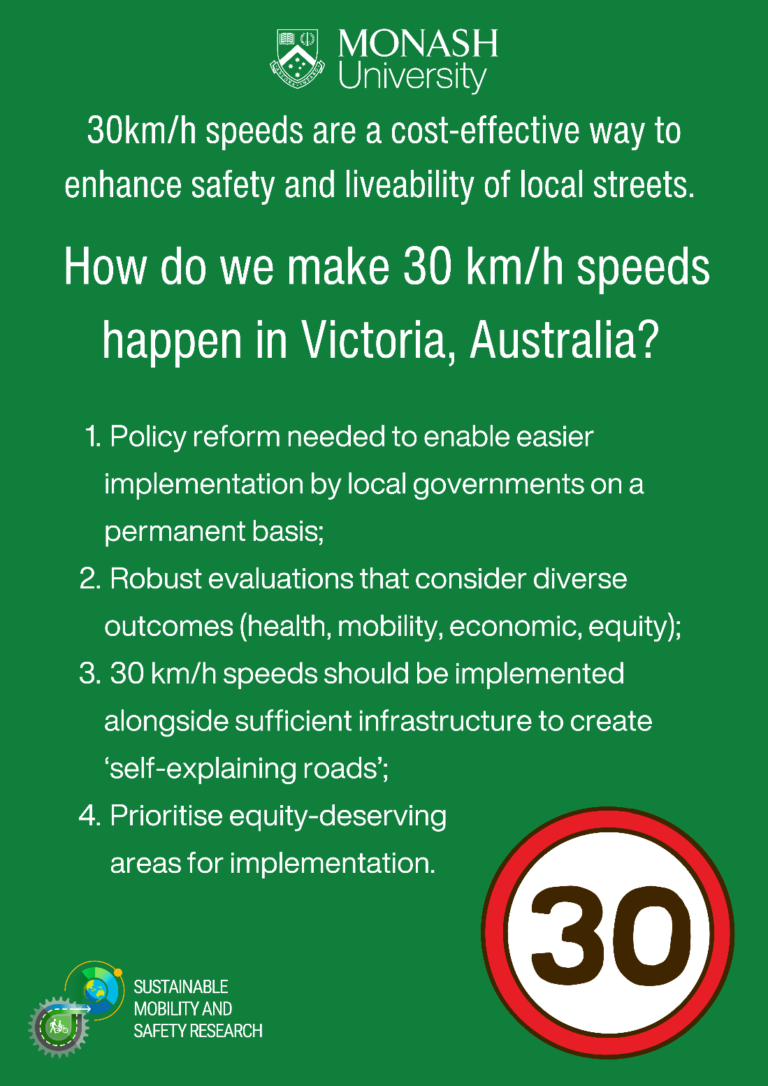
Comparing 30 km/h speed limits in Canada and Australia: Lessons in implementation
This study provides critical insights into the complexity of implementing 30 km/h speeds, and opportunities to enhance systems to catalyse change.



This study provides critical insights into the complexity of implementing 30 km/h speeds, and opportunities to enhance systems to catalyse change.
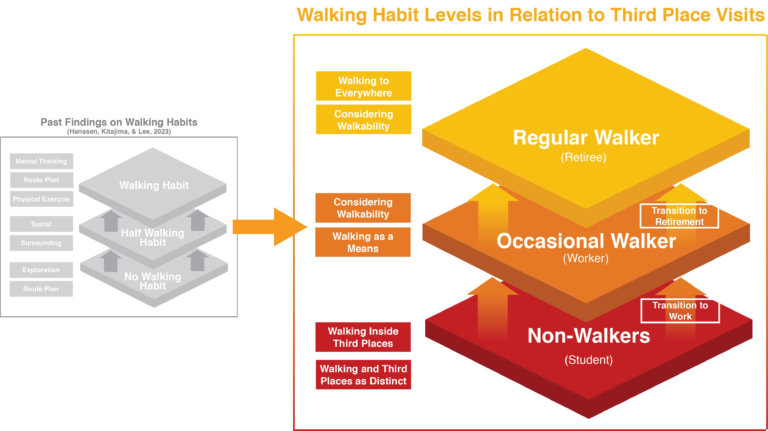
We explored the influence of third places on walking habits across life stages. Our study demonstrates the unique goal structures for students, workers, and retirees, identifying key patterns shaping walking behavior in cities. Integrating these findings into urban planning can revolutionize cityscapes and promote healthier, more active communities.
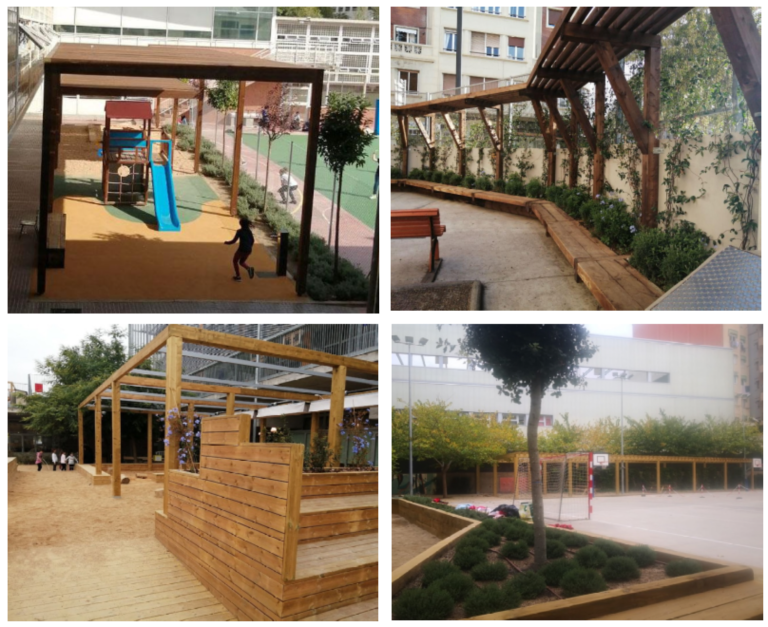
The System for Observing Outdoor Play Environments in Neighborhood Schools (SOOPEN) is a new systematic observation tool to assess children´s play behavior. SOOPEN uses a novel group dynamics approach. The tool has good reliability and is accompanied by a user-friendly protocol.
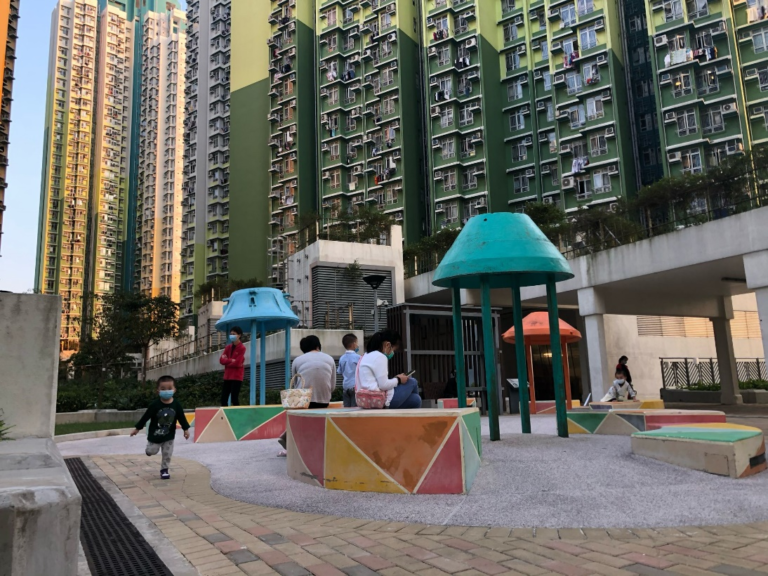
High-density urban environments significantly affect children’s play and well-being. This study provides current insights and explores potential solutions for enhancing play spaces in compact cities, aiming to promote a healthier and more sustainable urban future for children. Our goal was to synthesize current knowledge and provide guidance for improving play spaces in compact cities, ultimately contributing to more sustainable and liveable urban environments for children.
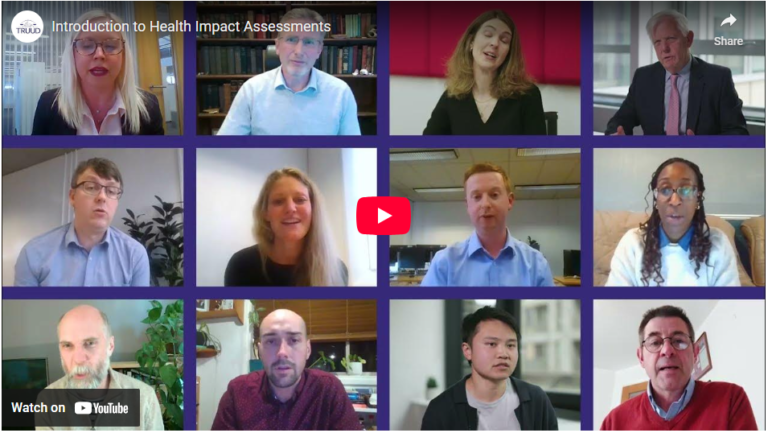
Health is rarely prioritized in urban decision making. Requiring Health Impact Assessment obliges developers to focus on questions of health. Some local authorities require this, but not all. This is the first paper to undertake a comprehensive review of when and where Health Impact Assessment is required in England, and to set out ways to make the process more effective.
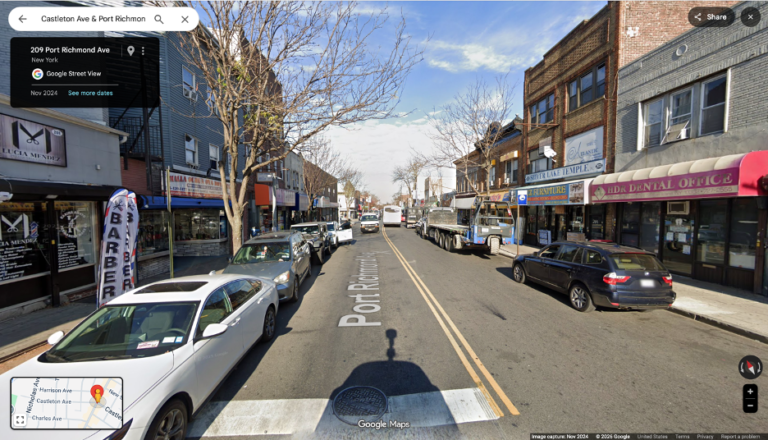
Even within relatively wealthy cities, food insecurity and health inequalities can be sharply concentrated in specific neighborhoods. We show how economic inequality, food access, and health outcomes are closely linked across Staten Island — and what this means for city leaders and practitioners.
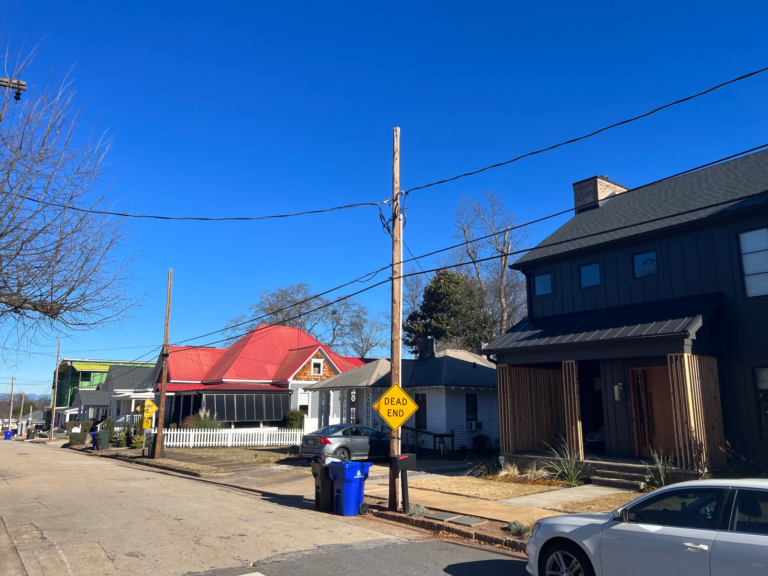
We investigated how Safe Routes to School (SRTS) programs intersect with gentrification in Greenville’s West End by using children’s active mobility as a lens to assess community perceptions. Through observations, behavior mapping, and interviews, we explored how mobility infrastructure impacts cultural traditions and socioeconomic dynamics. This approach allowed me to uncover tensions between design intentions and community realities, providing critical insights to guide equitable, context-sensitive urban planning in rapidly changing neighborhoods.

Among the factors impacting functioning and quality of life in autism, aspects of the built environment have recently gained increasing attention. However, the opportunity of proposing a universal framework for cross-scalar examination of these factors remains largely unrealized.
By narrowing the focus to public transport, a key component of urban spatial structure and urban mobility, this study explores the applicability of the World Health Organization’s International Classification of Functioning, Disability, and Health (ICF) in examining the built environmental factors that influence autism.
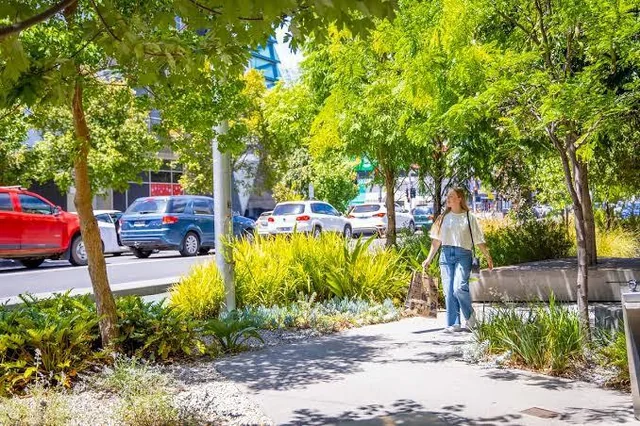
How can we design walkable streets that promote health through nature?
This scoping review synthesises international and cross-cultural research—drawing from English and Chinese studies—to clarify intervention types and health mechanisms, offering an essential evidence base for healthier, more connected urban environments. Our findings reframe streets as inclusive, restorative spaces for health—not just transport infrastructure.
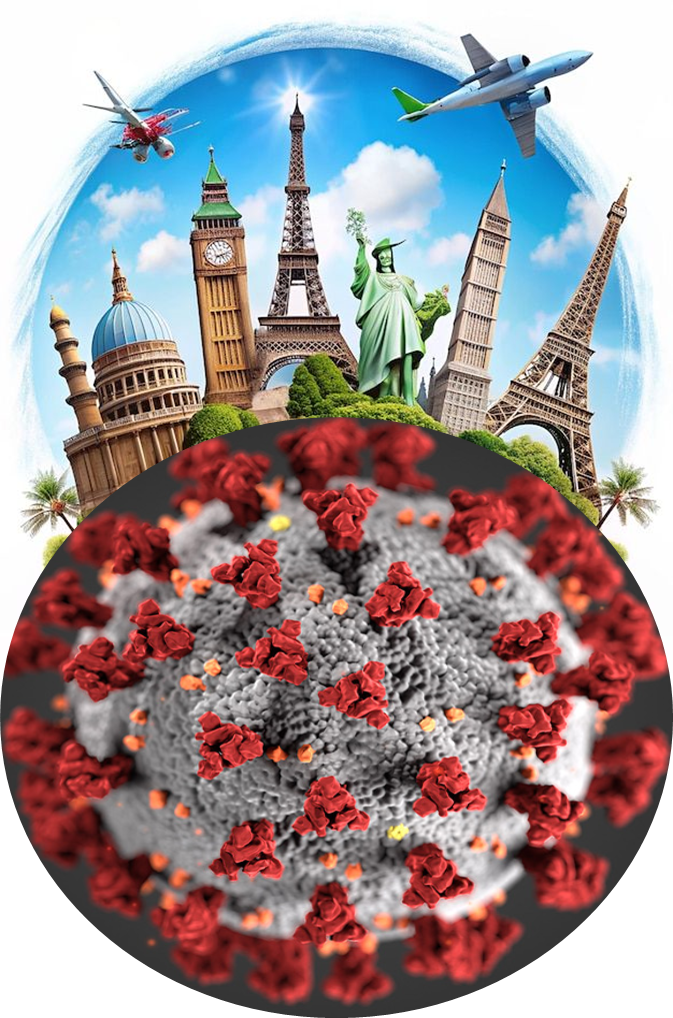
Before COVID-19, we freely used lively streets and public spaces. The pandemic emptied them and changed how people perceived urban life. Places once full of joy became empty and fearful. Our study examines COVID-19’s impact on three key dimensions of urban design and offers lessons for building healthier, more resilient cities.