


Compact city, compact playgrounds: How Oslo’s population density and daycare size influence children’s outdoor spaces 

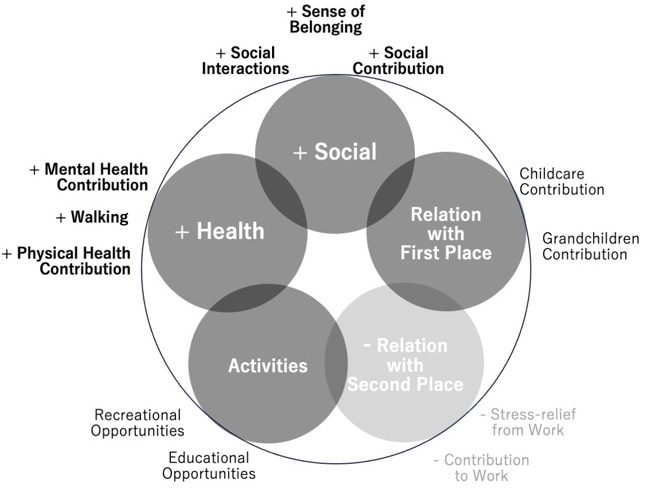
In this study, I measured the size of outdoor playgrounds at all daycare centers in Oslo and looked at how these sizes relate to how densely populated the districts are and how many children are enrolled at each center. Since the 1980s, Oslo has been getting busier and more built-up due to a compact city policy, a trend that is likely to continue as more people move to the city in the coming years. This makes it interesting to investigate how living in a denser city and having bigger daycare centers might affect the space children have to play outside in their daycare.

Read More »

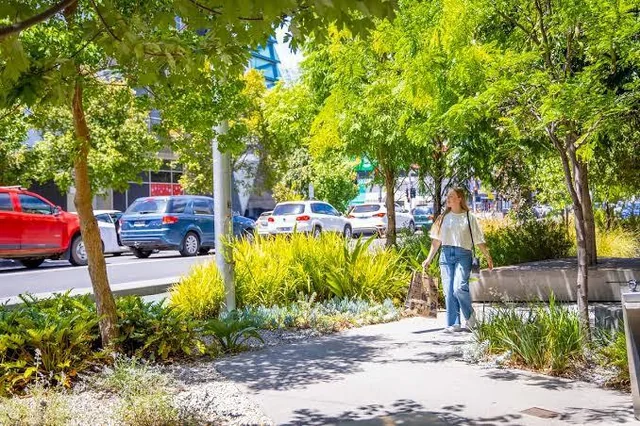
Biophilic design for walkable streets: Health-centred insights for urban action

How can we design walkable streets that promote health through nature?
This scoping review synthesises international and cross-cultural research—drawing from English and Chinese studies—to clarify intervention types and health mechanisms, offering an essential evidence base for healthier, more connected urban environments. Our findings reframe streets as inclusive, restorative spaces for health—not just transport infrastructure.

Read More »

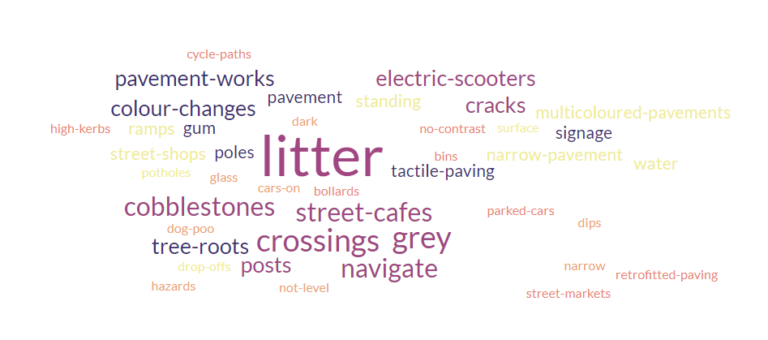
The creation and testing of a street audit to assess barriers in urban streetscapes and areas for people with a visual impairment

This street matrix tool can be used by urban planners and other built professionals both to plan new streetscapes and also to assess exisiting streetscapes for improvement. Currently, in many global contexts, it is good practice to make areas accessible for all and complete street audits. Despite this, without background knowledge of visual impairment and other disabilities, it can be difficult to assess these challenges and provide adequate solutions. This street matrix makes this more accessible and easy to assess these areas.

Read More »

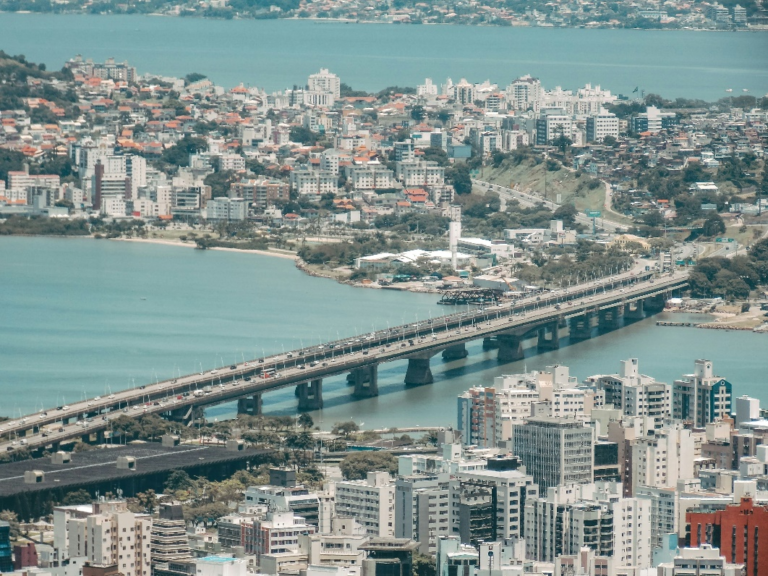
Walkability and Safety: How neighborhoods influence older people’s walking in Brazil

Walking around the neighborhood is good for older adults health, but the way older adults perceive their surroundings can affect this behavior. This topic has been discussed for some time in high-income countries. There, it is observed that older adults who live in neighborhoods with high residential density, diverse land use, good road connectivity, access to public transport, pleasant aesthetics, security against crime and traffic, presence of recreational facilities, infrastructure for pedestrians and cyclists, green spaces and visible parts of the sky are more likely to walk, whether for utilitarian or recreational purposes. On the other hand, in Latin American countries such as Brazil, where there is a significant increase in the older adults population and challenges related to urbanization and social inequalities, the relationship between the characteristics perceived of neighborhoods by the older adults and walking behavior is still unknown.

Read More »