

A framework to integrate health into urban climate policies: A city-level approach for better planning

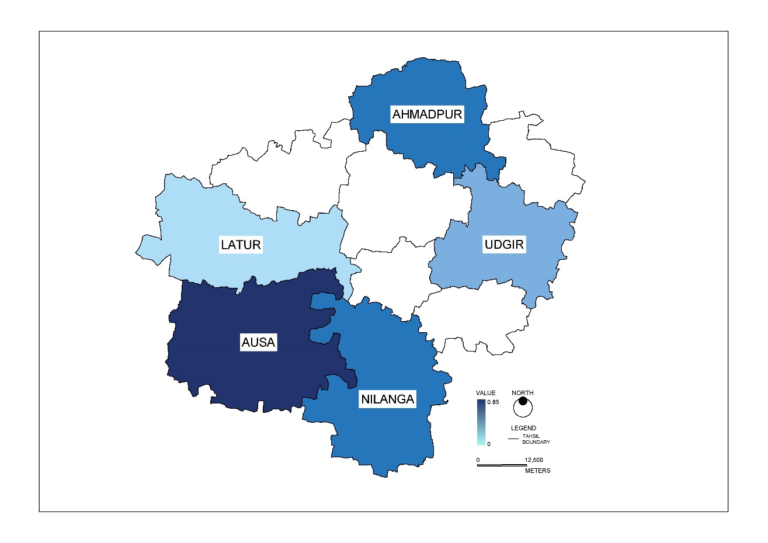
Urban planning significantly impacts public health, yet health considerations are often overlooked in city development strategies. Climate change further exacerbates urban health risks, particularly in vulnerable regions. Despite growing recognition of the link between urban planning and health, cities lack structured methodologies to quantify and integrate health-related data into policy. Without systematic approach, cities struggle to identify disparities, allocate resources effectively, and create health-resilient urban environments. Addressing this gap is critical for sustainable urban development.
Read More »

Lessons from a car-free settlement for child-friendly urban mobility

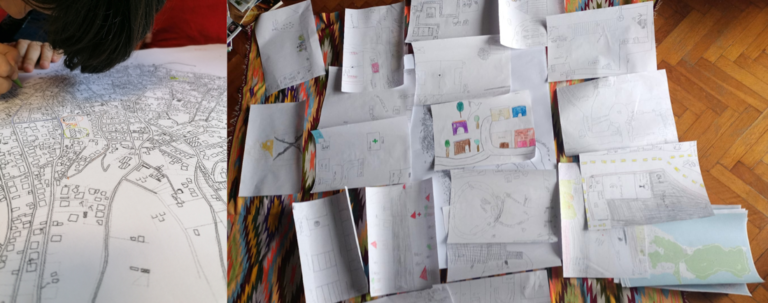
Our study focuses on active and independent mobility of children in a car-free settlement which can be promising for developing policies for a child-friendly urban future and mobility justice for children. The outputs of this study can bridge the gap between vehicle-oriented and non-vehicle-oriented settlements and enable the transfer of good experiences.

Read More »

Paving the way for active mobility: Insights from Brussels and Malta

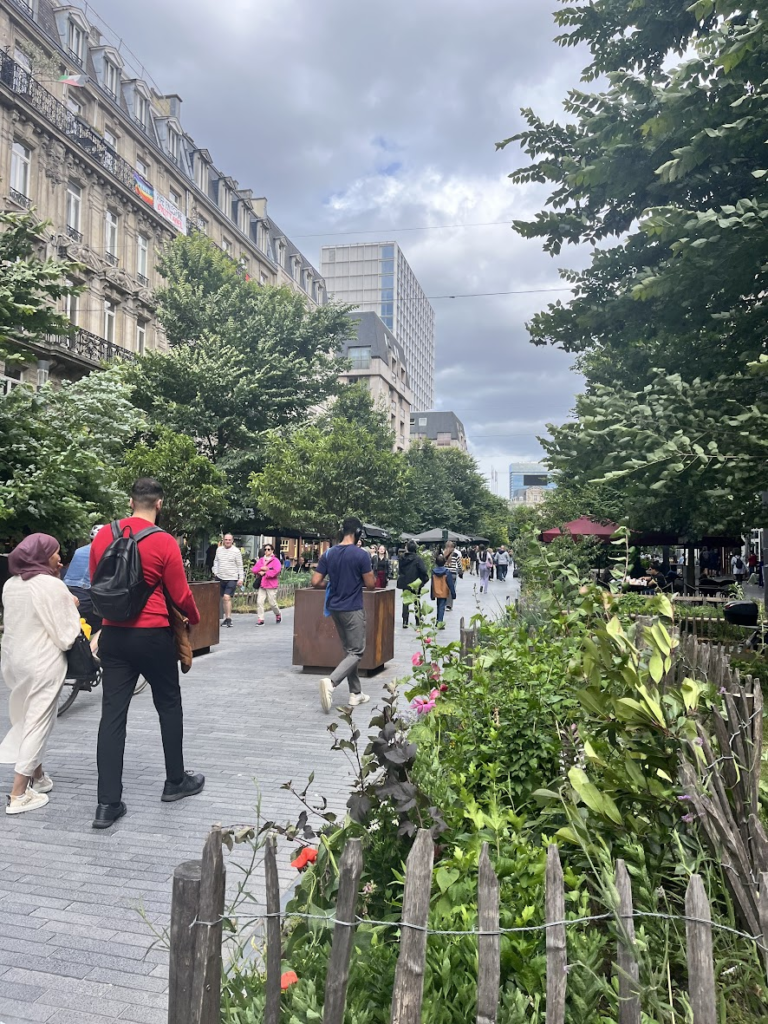
How can cities like Brussels and Malta overcome barriers to active mobility and create healthier, more sustainable urban environments? Discover the challenges, strategies, and key insights from local stakeholders on paving the way for a transformative future of mobility. Through interviews with key stakeholders, we explore solutions like citizen involvement and organisational changes that can drive urban transformation and support sustainable, active mobility.

Read More »

Restorative urban wildness for people, biodiversity and urban ecosystems health

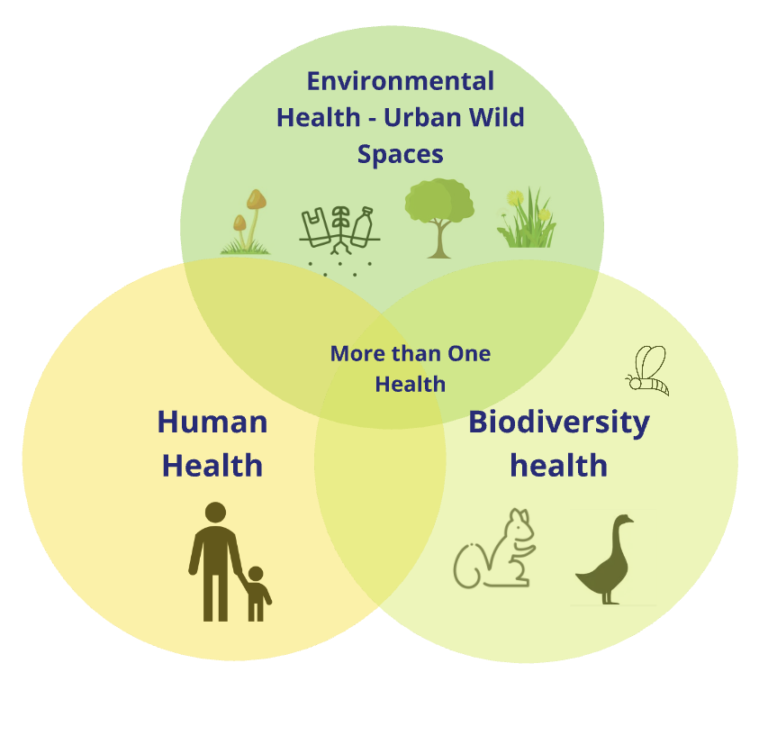
What if urban health went beyond human wellness? Through our more-than-One Health conceptualization, we explored urban wild spaces as places where the health and flourishing of humans, animals, and ecosystems intertwine. This approach provides new insights into designing cities that are not just green, wild, but interconnected as restorative habitats for human and non-human health.

Read More »

The role of greenness during the COVID-19 pandemic

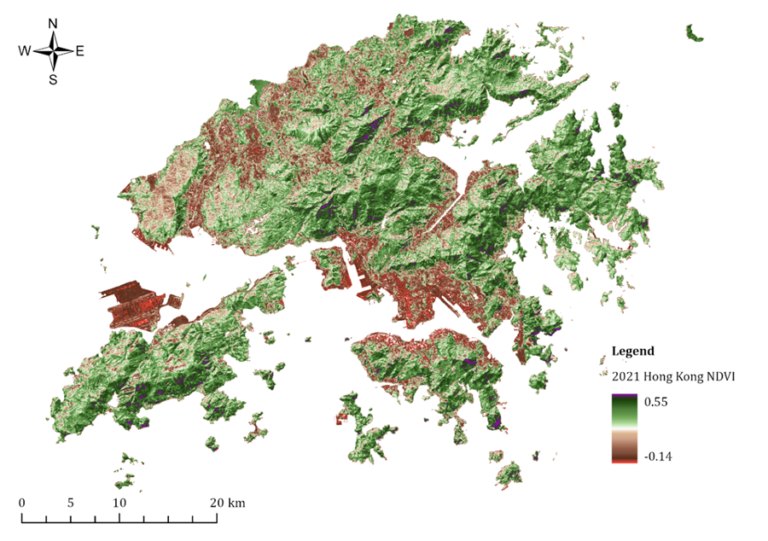
Residing in a neighbourhood with higher greenness within 400 metres was associated with higher residential greenspace visitations during the COVID-19 pandemic. Policies towards scaling up and optimising residential greenness may constitute important interventions for enhancing population-level resilience during public health emergencies.

Read More »

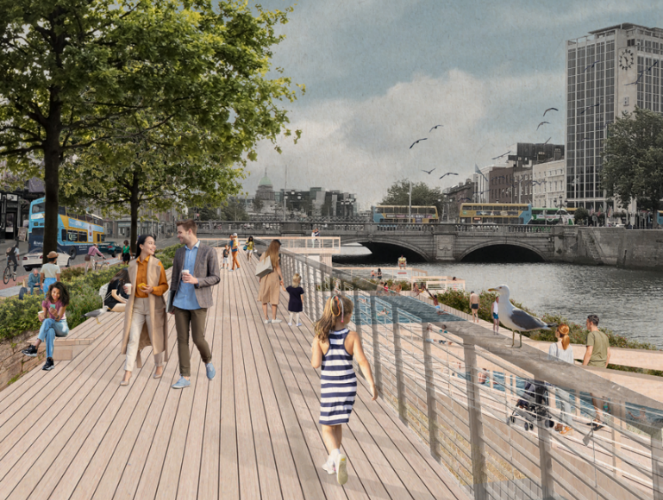
Nature-inspired urban design for the socially complex Liffey Boardwalk, Dublin, Ireland 

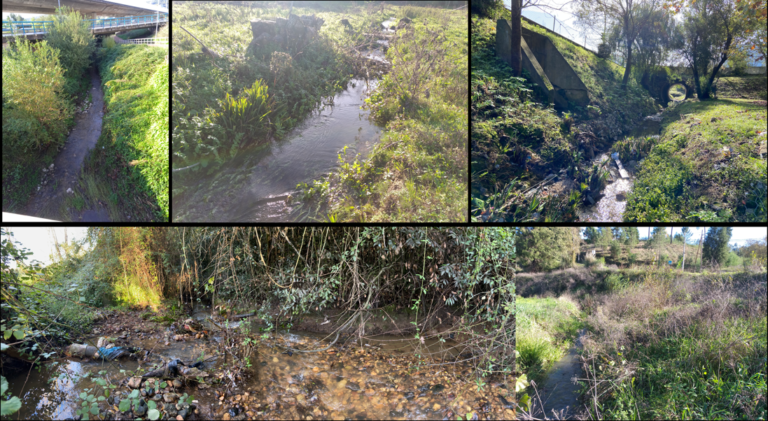
Interventions on riverfronts require close consideration of contextual ecological and social aspects. We adopted a research-by-design process to discuss nature-inspired urban design strategies in an Irish context.
• We conducted a desk study of academic literature and urban policies to establish the suitability of various methods for the site characteristics;
• We performed site analyses (site observations, footfall counting, photographic documentation) for an in-depth understanding of the existing conditions. We developed urban design scenarios to envision potential approaches, on which public feedback was sought.

Read More »

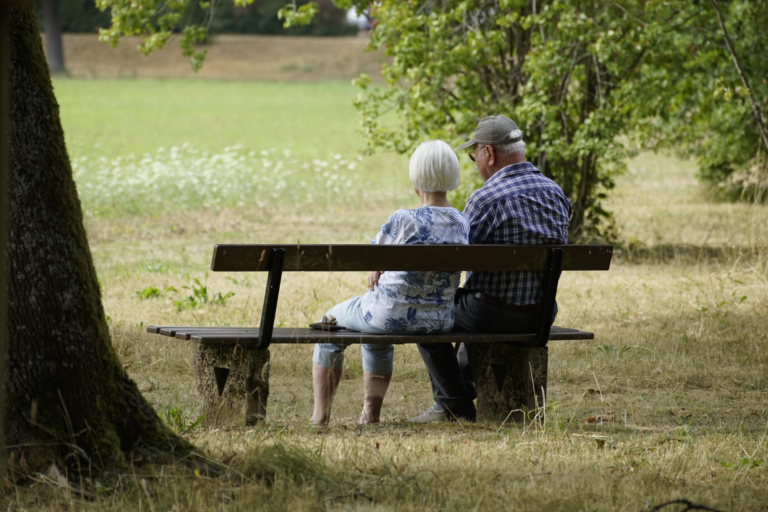
Natural spaces and depression in urban older adults: Exploring types, accessibility, and mediators

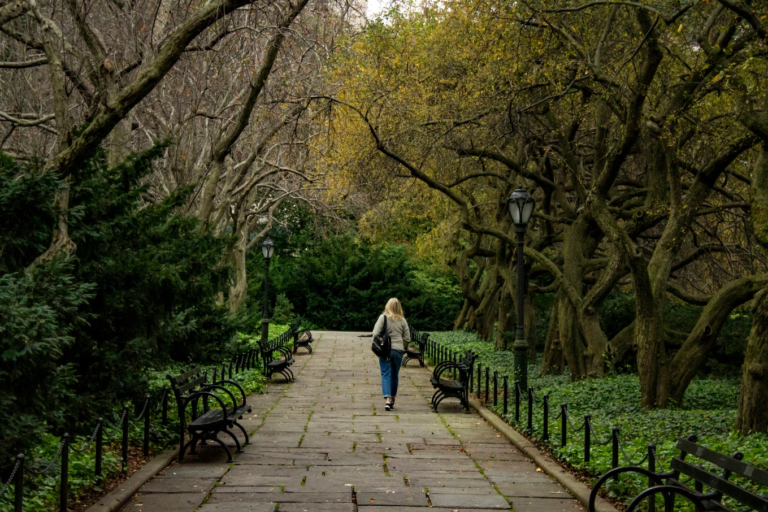
Increasing the availability of urban green spaces, even small pocket green spaces, should be considered a promising intervention for reducing depression among older individuals. Beyond 100m, urban green space protection diminishes. WHO recommends that the population have a green space within a 300m radius. However, for older people, this threshold may be too distant.
However, not all green spaces confer mental health benefits; therefore, researchers and professionals should consider the differential effects of different categories of greenery.

Read More »

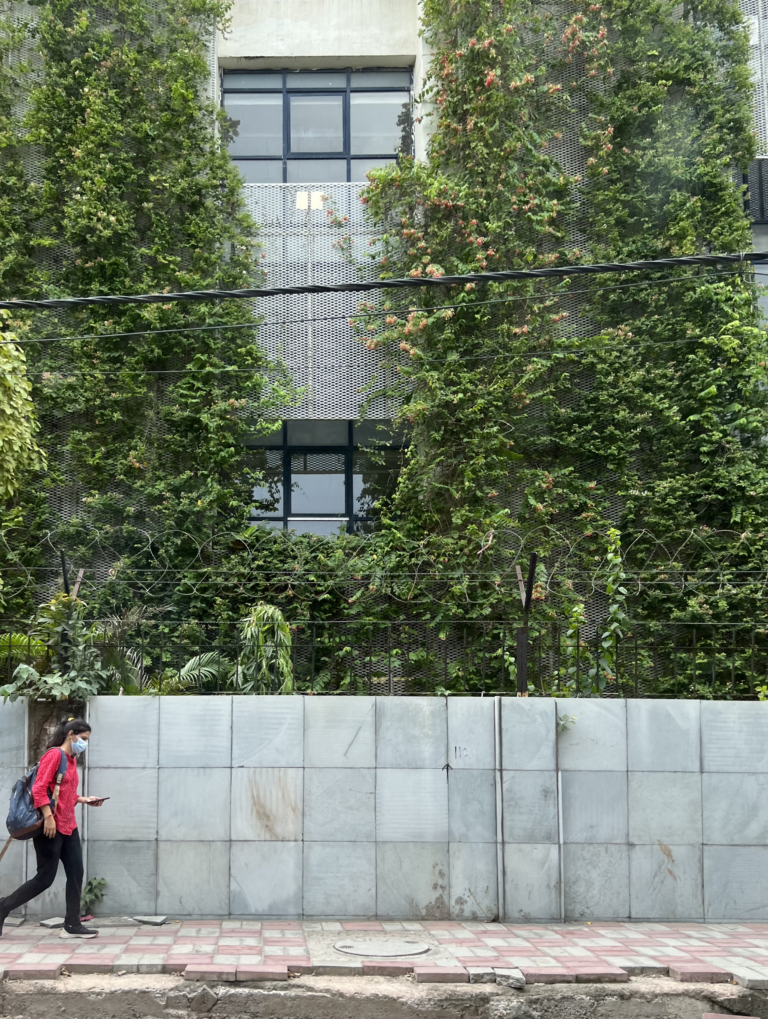
Perceptions of design professionals regarding vertical greenery in buildings – A case of Delhi

Our study provides valuable insights by examining the obstacles and viewpoints regarding vertical greenery systems in Delhi. It highlights the technical challenges as significant adoption barriers among built environment professionals. Emphasizing the pivotal role of vertical greenery in climate change mitigation, this research advocates for further scholarly investigation and evidence-based policy formulation. This deepened understanding supports the seamless integration of vertical greenery systems into urban landscapes, fostering sustainability and resilience.

Read More »