
Building healthier cities in Saudi Arabia through greener urban futures

This research extends existing scholarship by contextualizing Healthy City principles within Saudi Arabia’s specific climatic conditions, demographic transitions, and centralized governance structures. Rather than advocating direct replication of international models, the study emphasizes learning from international experiences to inform context-specific strategies aligned with Vision 2030 and national sustainability priorities. By interpreting international experiences within Saudi urban realities, this work provides a geographically specialized and policy-relevant contribution to the discourse on sustainable and healthy urban development.

Read More »

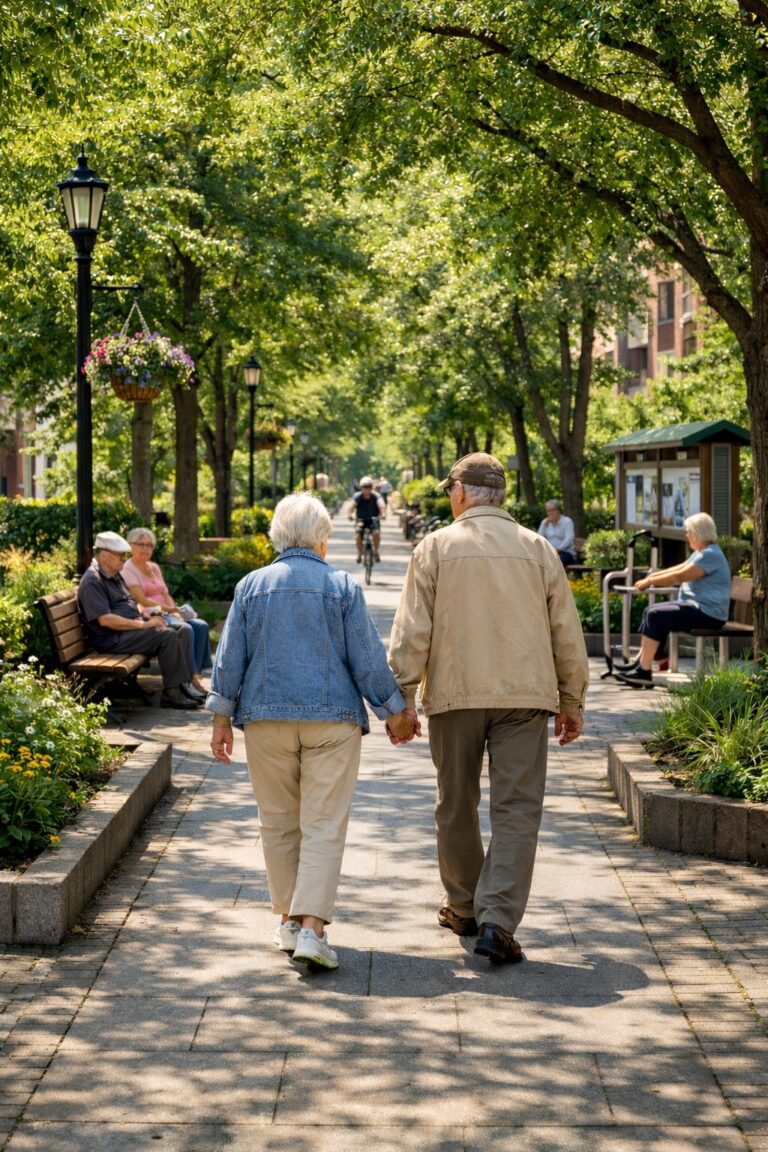
How can Isfahan, an historic city in Iran, be transformed into an age-friendly city?

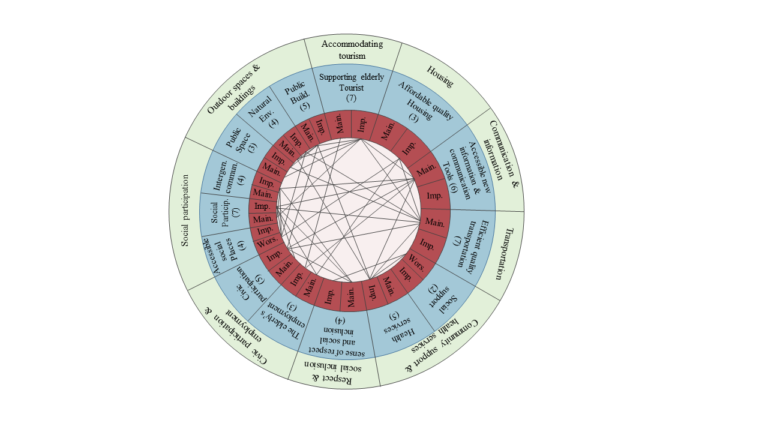
The elderly should be able to travel and have fun like everyone else and use urban spaces easily, and on this basis, it is necessary to identify dimensions of an age-friendly city that provides the possibility of planning for such environments. We present an approach of bringing the WHO Age-Friendly City framework into urban planning strategic decision-making by using the AIDA (Analysis of Interconnected Decision Areas) model.

Read More »

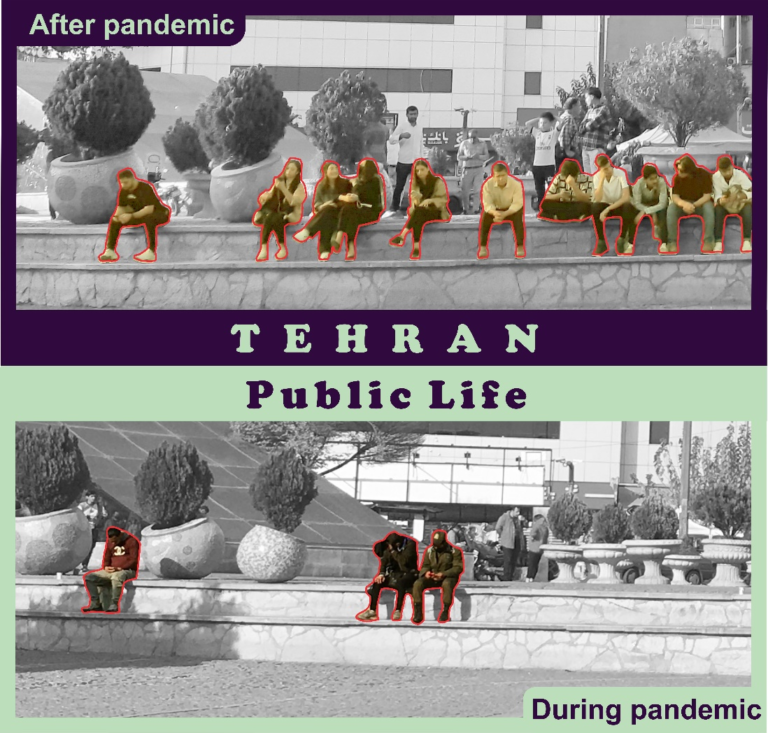
Well-designed public spaces don’t just fill a city; they shape our happiness, our connections, and even our psychological well-being

Urban environments and public spaces play a crucial role in shaping mental health, life satisfaction, and social connections. Most studies have mainly looked at cities as a general category, but we still don’t fully understand how different kinds of public spaces affect people’s mental well-being. We try to fill that gap by looking at seven types of urban spaces to find out which ones help people feel better mentally.

Read More »

PLAYSmaking – play as a lever for placemaking and pedestrianisation

Intertwining play and placemaking (‘PlaysMaking’) in Cork city has inspired positive changes in the spaces, places and lives of citizens. The barriers of high car dependence and a history of resistance to pedestrianisation policies in the city were overturned by levering play to temporarily pedestrianise areas in the city. Community led PlaysMaking in Cork City has secured the permanent pedestrianisation of public roads, creating inclusive recreational spaces and led to the creation of dedicated public spaces for popup events and playful cultural trails.

Read More »

Natural experiments in urban air quality in Rwanda

To understand the current drivers of air pollution, we used two natural experiments (Car-Free Day and COVID-19 Lockdown) to examine their impact on air pollution using particulate matter air pollution data in Kigali City. The health impact of non-motorized transport events in Kigali, known as ‘Car-Free Days,’ goes beyond just mass physical exercise. Importantly, it has reduced air pollution by 15%, this is expected to save more than 200 disability-adjusted life years annually.

Read More »

Urban design as an antidote to loneliness?

Recognizing the challenges of social isolation and loneliness among the aging population; research attention is turning to explore the social dimension of urban design and questions of how the built environment can support social interaction. In the rapidly evolving context of transit-based urbanism, urban spaces not only enhance the city’s overall livability but also offer older adults increased accessibility and interaction opportunities beyond their immediate residential neighbourhood, potentially alleviating feelings of social isolation and loneliness.

Read More »

Where do older people in China want to live as they grow old?

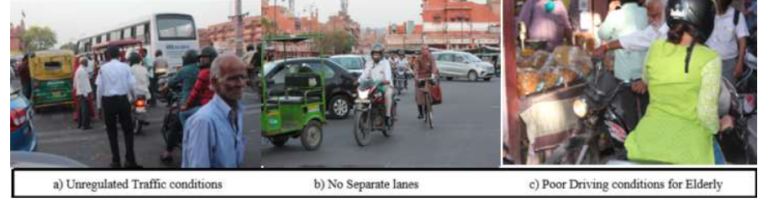
The image of older people in China preferring to live with their children is not uniformly the case, particularly for those with the most resources, and with fewest. Not enough is known about preferences for what kinds of places older Chinese want to live in, including the design, location, and tenure of homes.

Read More »