

City Know-hows

Traffic related noise pollution: Urban health inequities and preterm birth outcomes

Unplanned and rapidly expanding urbanization, crowded living conditions, and air pollution pose serious threats to maternal health. Research shows that, contrary to expectations, traffic noise does not play a decisive role in preterm birth. Strategic actions to improve urban health can help babies start life healthier and stronger.

Share

Target audience

Municipal departments of urban planning and environmental management; Public health managers and maternal–child health program planners; Local authorities responsible for climate and disaster adaptation policies.

The problem

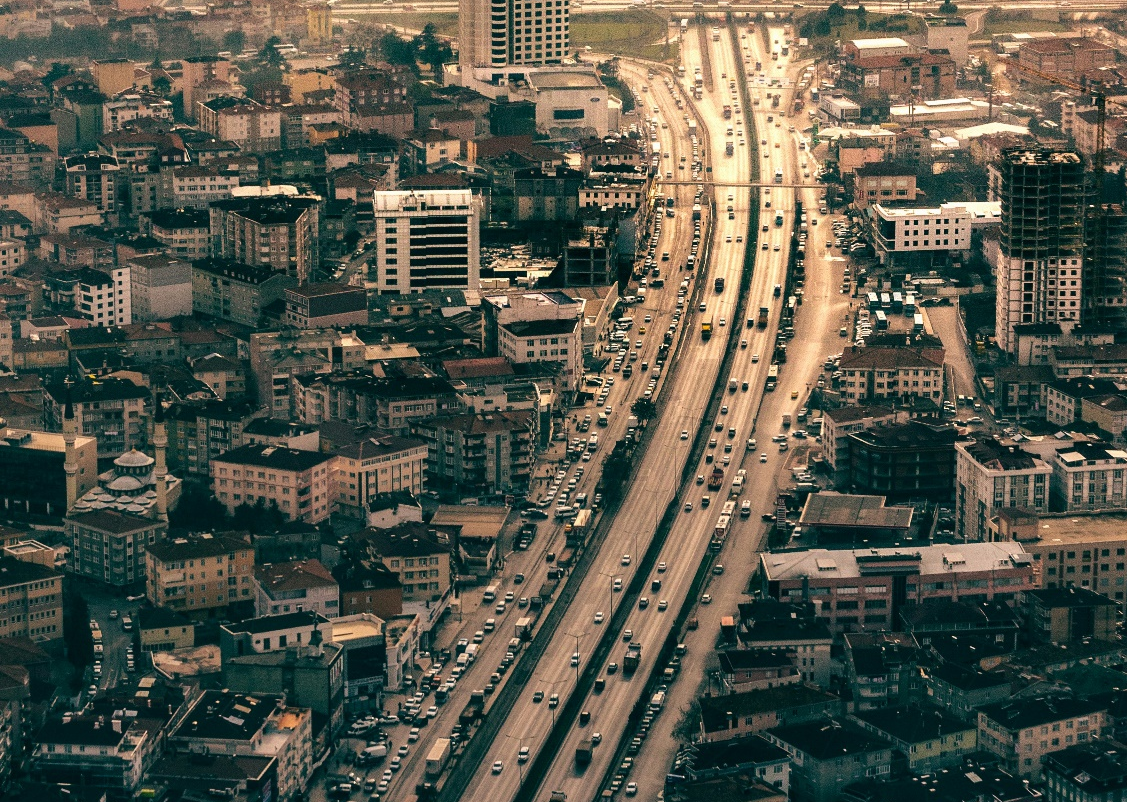
Urbanization accelerated by industrialization has long been transforming the way we live; however, the health impacts of unplanned and distorted urban growth have become more clearly recognized in recent years. In rapidly expanding cities, stressors such as population density, household overcrowding, air pollution, extreme heat, and noise increase simultaneously. This environmental burden elevates cardiovascular risks, disrupts sleep and cognitive functions, and keeps hormonal stress responses constantly activated. For this reason, it is reasonable to expect similar negative outcomes during pregnancy; because the pressures generated by urbanization create a structural field of inequality in public health.

What we did and why

In this study, we analyzed 14,015 live births that occurred in a city center over a four-year period. We assessed the neighborhood-level urban environmental pressures experienced by mothers as a result of distorted urbanization. By doing so, we aimed to objectively reveal the relationship between the structural consequences of urban growth and the risk of preterm birth, and to strengthen evidence-based approaches that protect maternal and child health within urban policies.

Our study’s contribution

The study shows that traffic noise is not a determining factor for preterm birth. In contrast, high levels of urbanization, household overcrowding, extreme heat, and SO₂ exposure significantly increase the risk of preterm delivery. The findings demonstrate that the systemic consequences of urbanization negatively affect the birth process as well, beyond cardiovascular diseases. Thus, it offers a new urban-based perspective on the previously unexplained component of preterm birth.

Impacts for city policy and practice

Health impact assessments should become routine in urban policy, and priorities should include heat management, green space planning, and reducing residential density. Air quality control, particularly SO₂ reduction, must be strengthened, and alert and protection programs should be developed to monitor environmental risks for pregnant women. The results indicate that the negative effects of urbanization constitute a direct risk factor for maternal and infant health.

Further information

Full research article:

Traffic-related noise pollution and preterm birth: a cross-sectional study on the effects of urbanization by Rasim Gökmen, Erhan Kaya, Ayşegül Erdoğan, Mithat Temizer & Vehbi Şirikçi.

Related posts

A fresh framework for moving health knowledge into urban planning action

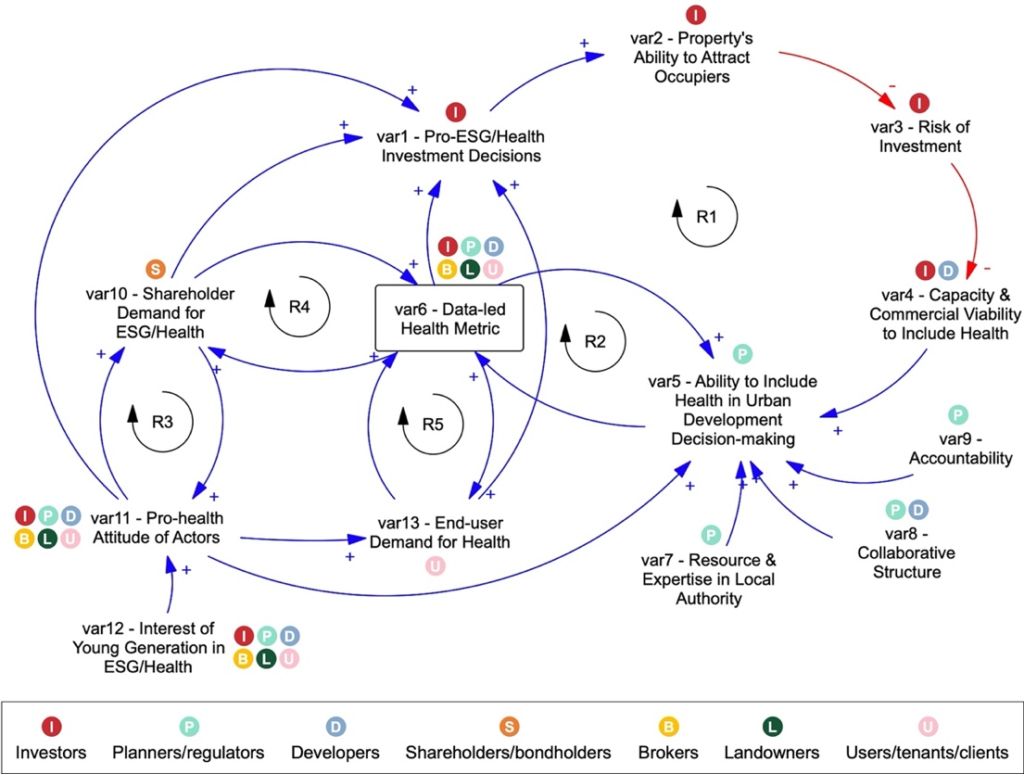
We took a significant step in identifying the existing gaps in knowledge translation for healthy cities and adopting a proactive approach to laying out opportunities for improvement. By developing a visual representation for a renewed conceptual framework, we provide a clear and insightful tool for planners, designers, and policymakers aiming to enhance knowledge translation processes. As a result, this study not only elevates knowledge translation as a field of study for urban professionals but also reinforces its importance in public health.

Read More »