City Know-hows
Target audience
Urban leaders at both regional and local levels
The problem
Londoner’s can adapt, change and transform, their gardens to positively impact on biodiversity. This behaviour require a conscious effort to reverse the trend of loss of green space. London’s residential gardens offer an opportunity to increase biodiversity by making small adaptions to turn them into a habitat for wildlife. Altering these spaces to accommodate nature could significantly contribute to London fulfilling its aims as a ‘National Park City’.
What we did and why
This research aims to investigate rewilding behaviours in relation to changes to private gardens within Greater London to improve biodiversity. This research will synthesise the existing literature on intent-orientated urban rewilding; conduct mixed methods research including interviews and a quantitative survey to understand the capability, opportunity and motivational factors influencing urban rewilding behaviour; and develop an intervention strategy to change behaviour in relation to adaptations to urban private gardens.
Our study’s contribution
With urbanisation increasing coupled with a worrying trend in the reduction of vegetated green spaces in London, facilitating behaviour change in the rewilding of London’s private gardens is important to support biodiversity; this research project contributes to this important topic.
Impacts for city policy and practice
The results of this research will allow urban leaders, local and regional, to identify approaches to improve the rewilding of urban private gardens to improve biodiversity. In London, altering such spaces to accommodate nature could significantly contribute to London fulfilling its aims as a National Park City.
Further information
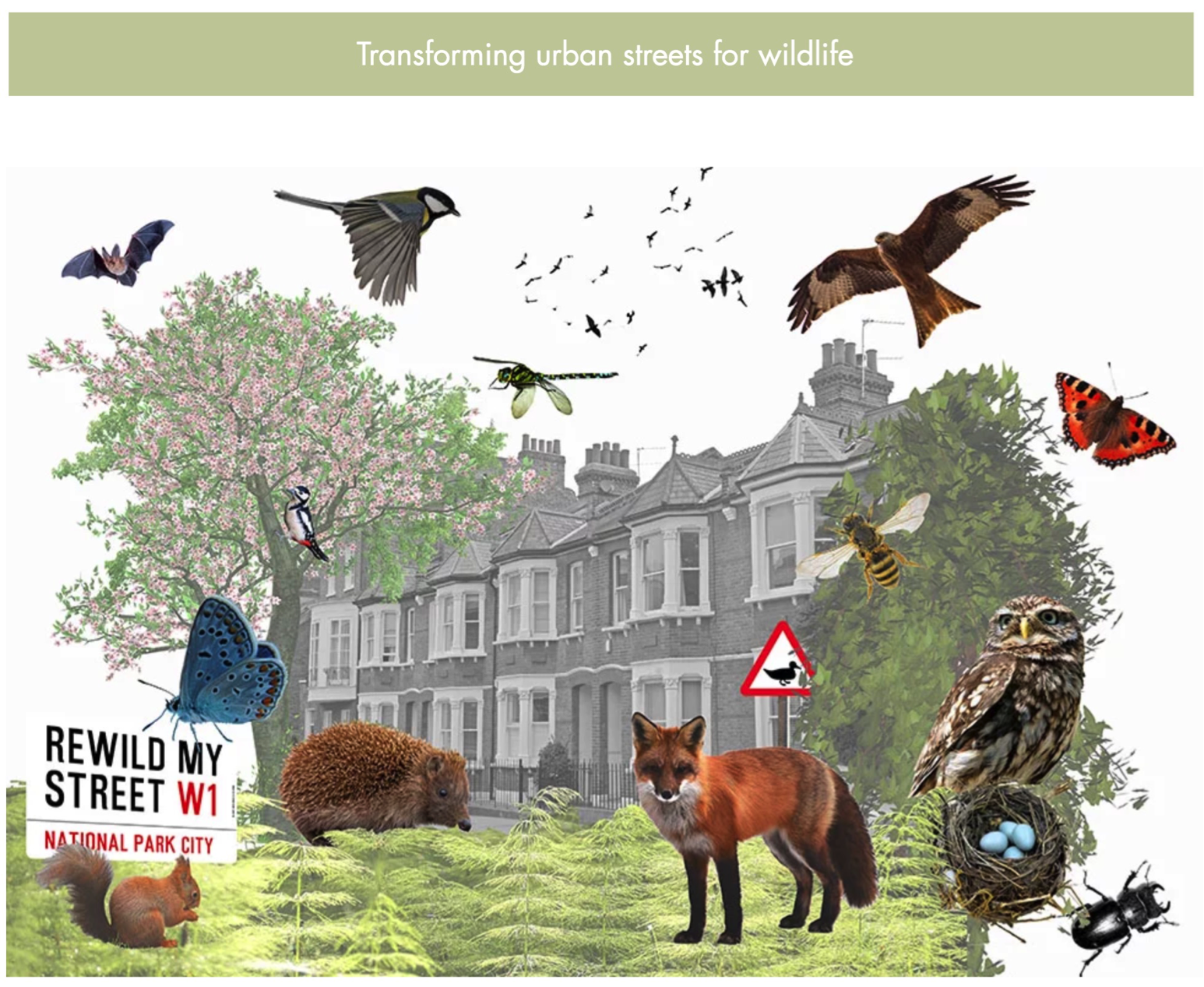
Rewild My Street providing guidance for people wishing to adapt their homes, gardens and streets to encourage wildlife.
Full research article:
A study protocol to understand urban rewilding behaviour in relation to adaptations to private gardens by Justin Webb & Siân Moxon. City Know-how editor: Marcus Grant.
Related posts

Can Bangkok truly clean its air? New initiatives show promise, but key changes are needed. This analysis reveals how better infrastructure, stronger governance, and embracing renewable energy can pave the way for a healthier city.

The high risk of death and disability from being struck by a car is unevenly distributed geographically and socially. Our analytics reveal a troubling pattern in that people from Black and Latino neighbourhoods facean especially high risk of crashes, both near and far from home.
Vision Zero leaders in the hundreds of participating cities across the world in planning departments, nonprofits, and community groups need to look at our approach.

Our study explores how residents in Lagos and Yaoundé use roads, vacant lots, squares, and parks for running, walking, and other leisure-time physical activities. It reveals striking sex-based differences in perceived safety and risk, offering evidence to guide inclusive urban planning.