
City Know-hows
Local planning policy is important to shape urban development decision-making. Choices about land use and development requirements can be political and require trade-offs. Understanding the influence of local politicians in the process of creating local planning policy can help to inform interventions to enable healthier place-making.
Share
Target audience
The public, urban development practitioners, national-level planning policy makers.
The problem
Built and green environments can influence population health and wellbeing. There are many stakeholders that influence decision-making for urban development and policy is very important, however, policies rarely prioritise health and wellbeing.
What we did and why
Policies can be highly influential in decision-making but little is known about how local politicians influence the process of local planning policy decision-making. In this study I show their influence, and how trade-offs can be considered that can influence health and wellbeing linked to the environment.
Our study’s contribution
This study provides new insights into the influence of political actors in local planning policy formation, including how different issues that are associated with health and wellbeing are considered, from housing affordability, housing numbers, to greenspaces and design quality.
Impacts for city policy and practice
Understanding of the influence of local political actors helps to highlight where their influence is limited, particularly by national-level housing policy, which in the UK is focused on housing numbers, rather than quality of new homes, as well as financial viability and public opinion. Understanding this can help to build trust in the political processes of decision-making and inform interventions for healthier place-making.
For further information, see the TRUUD study: a research programme about healthy urban development
Further information
Full research article:
Related posts

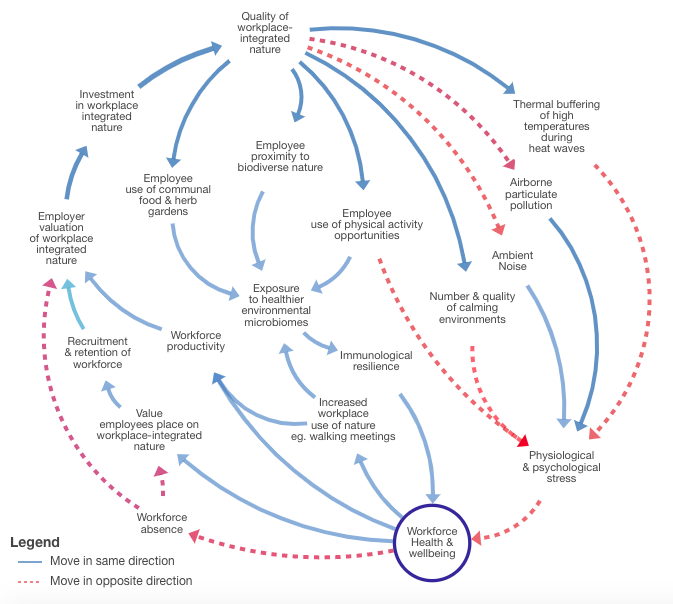
The future of workplaces now includes ‘remote’ for many, which has many health benefits. The future of ‘the office’ needs to evolve too and bringing more nature into the workplace is a healthy place to start.
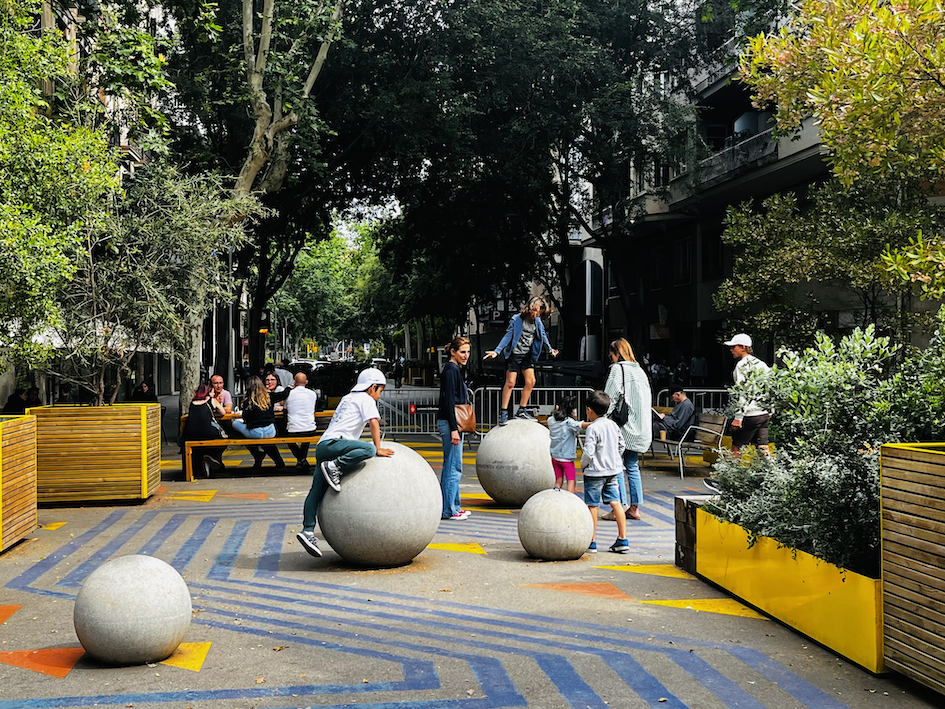
This paper investigates how health-promoting planning strategies are leveraged in place-based urban transformation initiatives to develop public spaces within neighbourhoods to improve children’s and community wellbeing. Safe, healthy, and accessible neighbourhood public spaces transform children’s lives in cities.

In this study, I measured the size of outdoor playgrounds at all daycare centers in Oslo and looked at how these sizes relate to how densely populated the districts are and how many children are enrolled at each center. Since the 1980s, Oslo has been getting busier and more built-up due to a compact city policy, a trend that is likely to continue as more people move to the city in the coming years. This makes it interesting to investigate how living in a denser city and having bigger daycare centers might affect the space children have to play outside in their daycare.