

City Know-hows
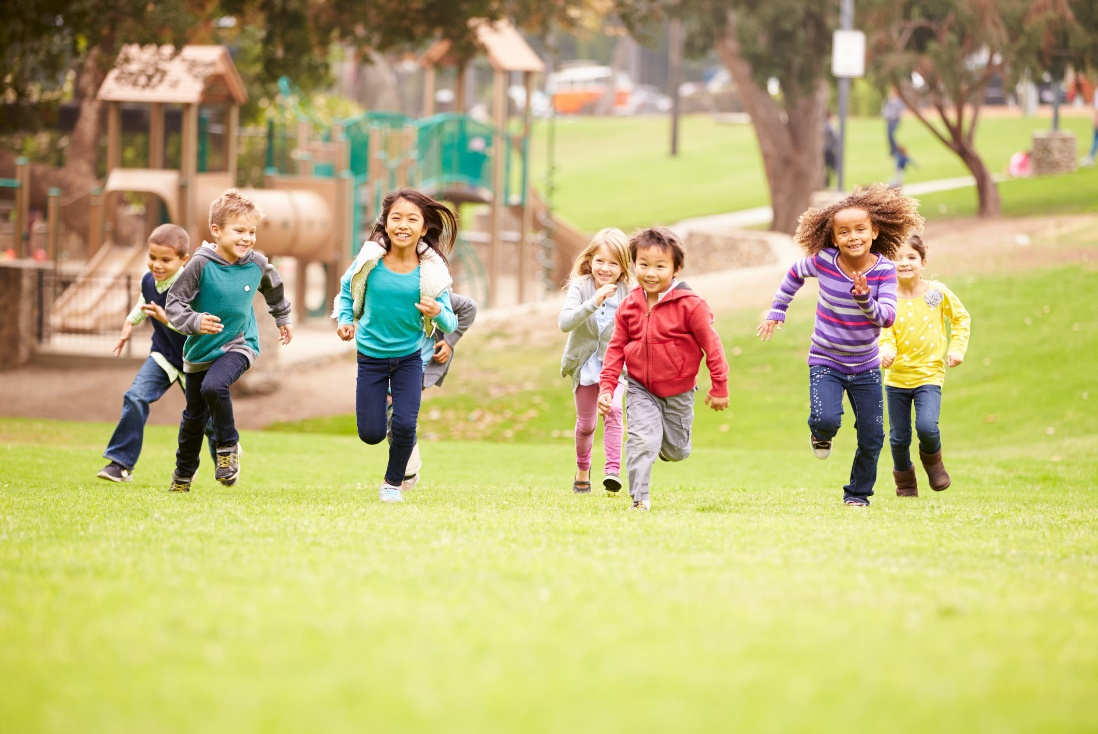
The foundation of children’s active lifestyles rests upon parents’ contentment with urban green spaces. This underscores the vital role urban planners and designers play in addressing parental concerns within these areas, thus amplifying children’s outdoor play and self-reliant exploration.
Share
Target audience
Urban planners,urban designers and child health specialists
The problem
Children allocate a significant portion of their time to urban public environments. In this regard, while urban green spaces have the potential to significantly shape children’s active lifestyles, insufficient attention has been given to the influence of parental perspectives regarding the attributes of these spaces. This gap in research hinders a comprehensive understanding of how parental perceptions can impact children’s engagement with urban green spaces and their overall physical activity levels.
What we did and why
The way parents view the qualities of urban green spaces (including safety, proximity, diversity, aesthetics, and cleanliness) showed a significant association with children’s outdoor play. Furthermore, safety and the proximity to urban green spaces emerged as crucial elements that positively contributed to children’s ability to move independently.
Our study’s contribution
In order for decision makers to take practical and effective measures, they must thoroughly evaluate the child friendly criteria using a range of assessment tools. This particular study is taking initial steps towards assessing the living environment of children in a practical manner that could help urban planners make more informed decisions.
Impacts for city policy and practice
Understanding parental viewpoints regarding urban green spaces stands as a pivotal determinant in fostering children’s physical activity. Thus, by acknowledging parental perceptions and desires related to these areas, urban planners and designers can create an environment that offers children a sense of comfort, thereby amplifying the potential for an active and healthful lifestyle. This collaborative approach not only benefits children’s well-being but also aligns with the broader goal of promoting healthier urban communities.
Further information
Full research article:
Related posts

This newly developed methodological approach aims to identify the underlying causes of stress in urban environments. To this end, it analyses a broad spectrum of perception-related factors from various fields to capture the full complexity of human perception in a more holistic manner. The evaluation of five case studies using the so-called ‘Stressor Matrices’ serves as the basis for deriving initial hypotheses about the triggers of urban stress.

Older adults exercised less during COVID-19. Covid-related built environment modifications such as one-way walking systems and social distancing may have made physical activity more difficult.

We explored the influence of third places on walking habits across life stages. Our study demonstrates the unique goal structures for students, workers, and retirees, identifying key patterns shaping walking behavior in cities. Integrating these findings into urban planning can revolutionize cityscapes and promote healthier, more active communities.