

Public parks shape how people meet, stay, and interact. This study shows how specific physical features of an urban park influence everyday social life, offering practical lessons for designing public spaces that support social interaction, wellbeing, and inclusive urban vitality.

Share

Target audience

Municipal park managers and public space officers; Urban designers and landscape architects working in dense cities; City policy-makers concerned with urban health and social wellbeing

The problem

Many urban parks are well designed visually but fail to support everyday social interaction. Decisions are often driven by aesthetics, maintenance, or safety concerns, rather than how people actually use space. This problem is common in cities worldwide, leading to underused parks and missed opportunities for social connection, mental wellbeing, and community cohesion. Without understanding how physical features shape social life, cities struggle to create public spaces that truly support daily urban life.

What we did and why

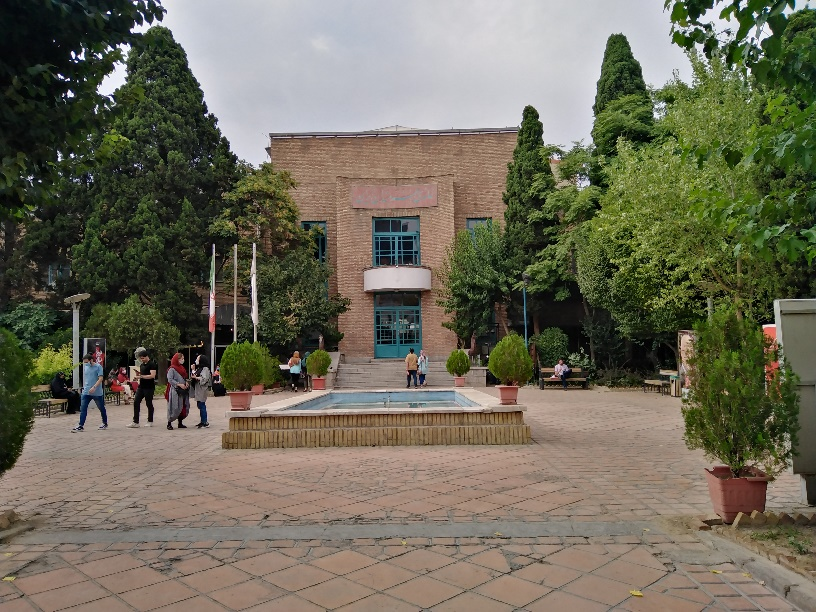
We studied Honarmandan Park in Tehran to understand how physical design influences social life in a real urban setting. We combined on-site observation of people’s behaviour with surveys of park users and spatial analysis. We did this to move beyond abstract design principles and provide evidence-based insights into how seating, pathways, land use, inclusiveness, and safety shape everyday social interactions in public spaces.

Our study’s contribution

This study adds clear, practice-oriented evidence on how social life emerges in public spaces. We show that:
• Inclusive design and accessible layouts strongly increase social interaction
• Seating and urban furniture play a central role in encouraging people to stay and interact
• Mixed land uses near parks extend social activity and length of stay
These findings translate research into concrete design priorities.

Impacts for city policy and practice

This research shows that improving social life in parks does not always require major redevelopment. We recommend:
• Prioritising inclusive seating and human-scale design
• Integrating parks with nearby cultural, recreational, and commercial uses
• Designing for perceived safety through visibility and active edges
These actions can help cities create healthier, more socially vibrant public spaces.

Further information

Full research article:

Related posts

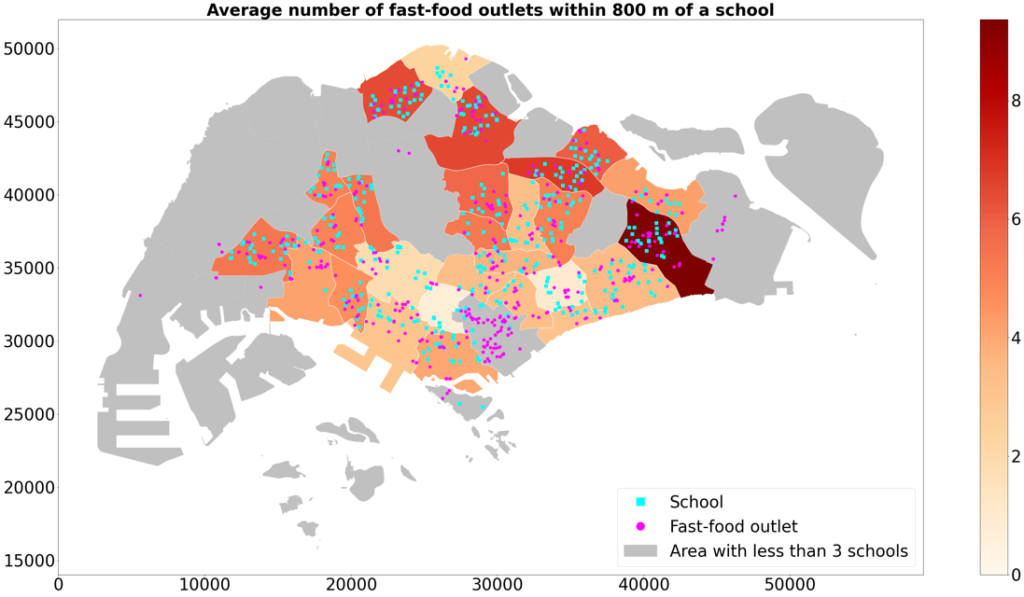
Mapping fast-food access near schools in Singapore: insights for healthier urban planning

Childhood obesity is a growing concern globally, influenced not only by individual choices but also by the environments in which children live and learn. In dense urban settings like Singapore, the widespread availability of fast-food outlets near schools may expose children to unhealthy food options daily. We investigate the spatial clustering of fast-food outlets around schools across Singapore, focusing on how the pattern varies by neighbourhood income and school type, revealing significant socio-spatial health inequalities.
Read More »

Boxed in: Changes in apartment residents’ health behaviours following the COVID-19 lockdown – a longitudinal cohort study from Australia

This study adds to the literature on the health impacts of lockdowns by examining longitudinal changes in the health behaviours of Australian apartment residents. Following the COVID-19 lockdown, residents reported increased walking for recreation, sleep duration, and home cooking frequency, but decreased walking for transport, greater sitting time, and weight gain. Alcohol consumption remained stable.

Read More »