City Know-hows
Target audience
City council planning and housing officers, Urban planning community, Housing regulations officers
The problem
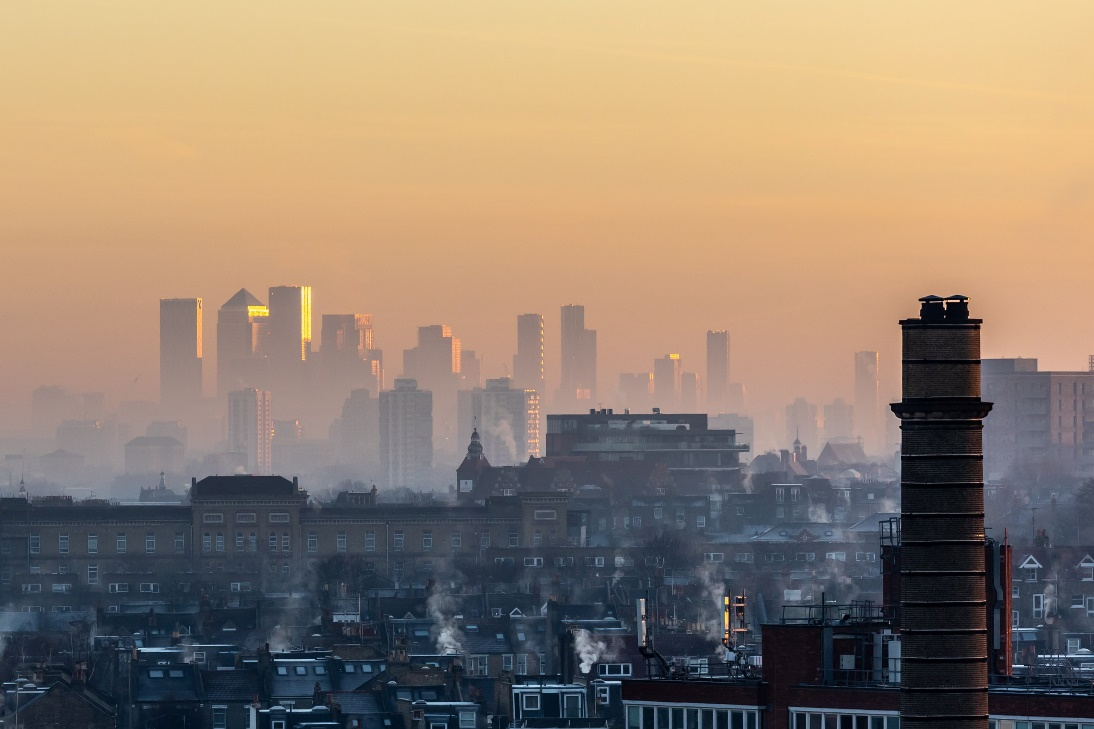
Bad smells and odour pollution are known to have a negative influence on our mental and physical wellbeing. This is a problem that is often overlooked and does not get the attention it should considering the negative impacts it causes. Greater consideration should be given to this type of air pollution and more study is needed into the implications of this type of pollution on our everyday lives.
What we did and why
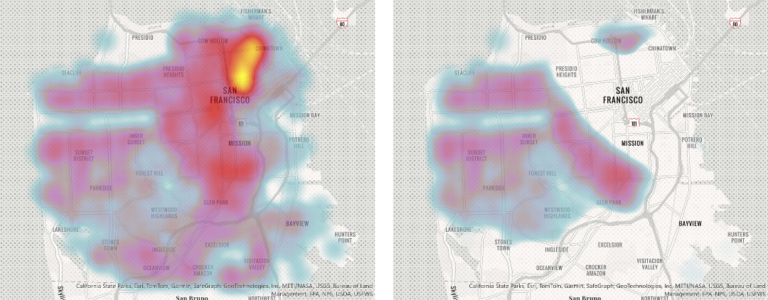
I compared odour complaints made to London Councils in spring 2019 and 2020, looking at the impact of the COVID-10 lockdown restrictions. This showed a significant increase in the number of complaints made between 2019 to 2020 with the implementation of lockdown restrictions. This research highlights an often-overlooked type of air pollution. This topic is important as people continue to work from home which seems to have been a factor in the increase in complaints.
Our study’s contribution
This study highlights a type of air pollution that can negatively impact mental and physical wellbeing, and I think it is a missed opportunity if air pollution of this type is not considered when planning new buildings and renovating older houses. This project demonstrates how odour pollution is clearly impacting residents and emphasises a need to combat this issue especially if we are to continue working in a hybrid way for the foreseeable future.
Impacts for city policy and practice
There are a few keyways in which this research could have city policy and practice implications:
Further information
For further information on the general subject, see Distributed Network for Odour Sensing Empowerment and Sustainability (D-Noses). A project empowering citizens to become a driving force for change and has co-created tools and a map to measure the problem and co-design solutions of odour pollution across Europe.
Full research article:
Related posts

Our review highlights the lack of urban green and blue spaces interventions to prevent violence against women and girls. We look also at how interventions could prevent violence against women and girls, reduce inequalities, and reshape social, cultural, and societal norms; promoting use of urban green and blue space for women and girls.

The study aims at understanding the qualities of different. Although previous studies have explored the well-being-related benefits of recreational walking in nature, studies examining the perceived qualities and contextual factors of these walks are rare.

As an urban planner, designer, or manager in a developing country, to what extent and in what ways do you think your decisions can impact the mental health of citizens? How beneficial do you think replicating the urban experiences and knowledge from developed countries could be?