City Know-hows
The world is currently responding to the climate crisis and the nature crisis as if they were separate challenges. This is a dangerous mistake. The are leading to dire impacts for our health
Share
Target audience
The World Health Association; National agencies for climate; National agencies for biodiversity; Health professionals, at all levels; Political leaders.
The problem
Many commitments made at the Convention on Biological Diversity internation meetings have not been met. This has allowed ecosystems to be pushed to the brink, greatly increasing the risk of arriving at ‘tipping points’, abrupt breakdowns in the functioning of nature. If these events were to occur, the impacts on health would be globally catastrophic.
What we did and why
We reviewed the twin climate and nature crises under the pre-conditions for WHO to declare a situation to be a Public Health Emergency of International Concern. These are are that it:
1) is serious, sudden, unusual or unexpected;
2) carries implications for public health beyond the affected State’s national bor- der; and
3) may require immediate international action.
Our study’s contribution
Climate change would appear to fulfil all the conditions for a global health emergency. While the accelerating climate change and loss of biodiversity are not sudden or unexpected, they are certainly serious and unusual.
As such the level of risk, combined with the severe impacts on health already occurring, means that the World Health Organization should declare the indivisible climate and nature crisis as a global health emergency.
Impacts for city policy and practice
First, we must recognise this crisis for what it is: a global health emergency. With regard to this, we strongly advocate that:
WHO declare this situation to be a Public Health Emergency of International Concern.
National agencies ensure better integration of national climate plans with biodiversity equivalents.
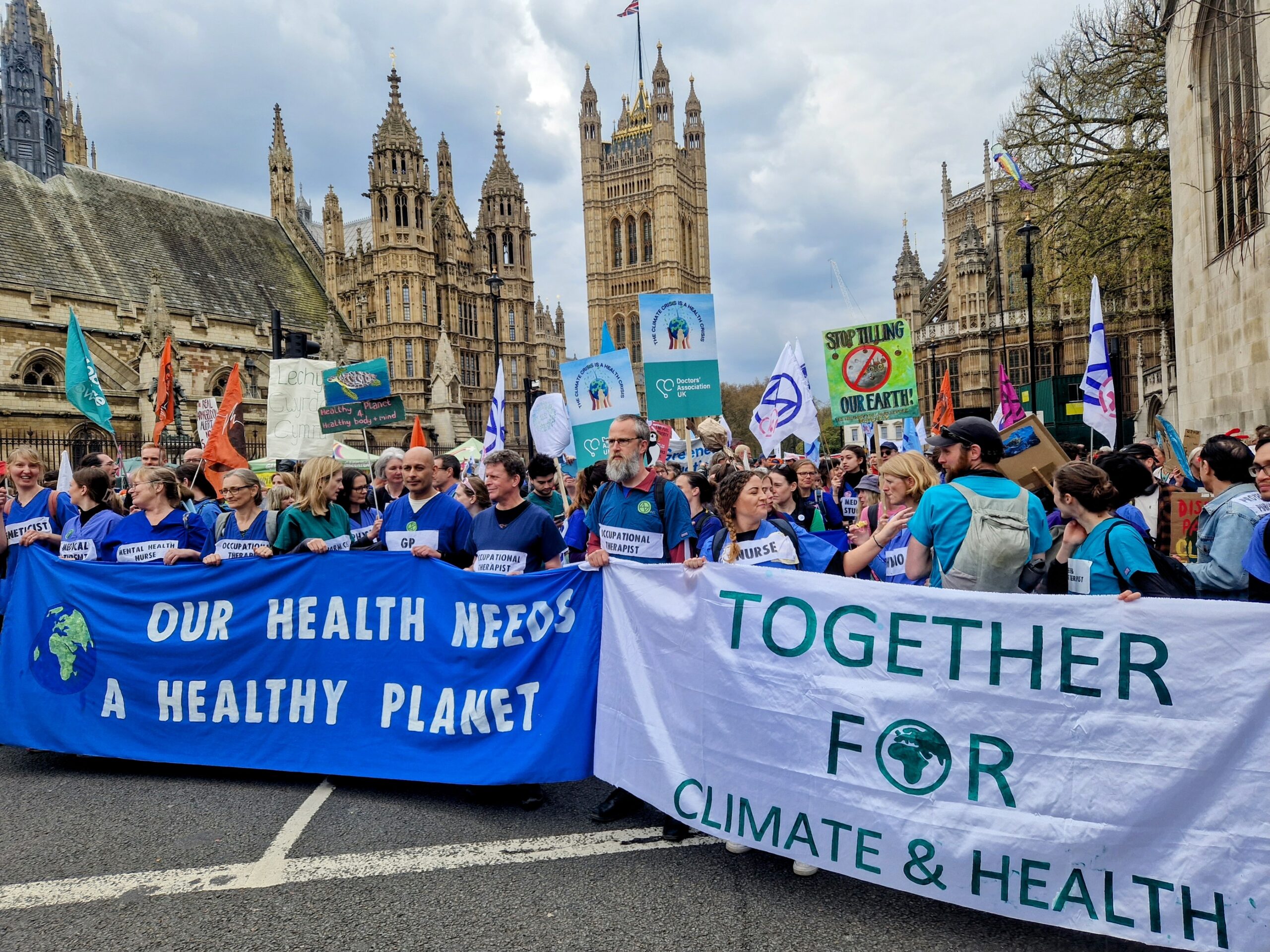
Health professionals, at all levels, be powerful advocates for both restoring biodiversity and tackling climate change for the good of health.
Political leaders recognise both the severe threats to health from the planetary crisis as well as the global and local benefits that can flow to health from tackling the crisis.
Further information
Full research article:
Time to treat the climate and nature crisis as one indivisible global health emergency by Kamran Abbasi, Parveen Ali, Virginia Barbour, Thomas Benfield, Kirsten Bibbins-Domingo, Gregory E. Erhabor, Stephen Hancocks, et al.
Related posts

Urban environments influence mental health and development of younger populations. This study explores associations between adolescent mental health indicators and design characteristics. Implications include recommendations for planners and urban designer to promote psychological well-being.

This study aimed to delve into the significance of neighborhood walkability and the accessibility of third places in bolstering community well-being. It scrutinized the influence of walkable designs and convenient access to third places on the emotional well-being of community members. Moreover, the research utilized tweets to gauge the frequency of positive sentiments as a proxy for measuring happiness levels within the community.

Our study analyzes the impact of COVID-19 on Hong Kong’s progress towards achieving the Sustainable Development Goals. The study identifies four SDGs that stood out with significant impacts from the pandemic. We offer valuable and transferable insights for policymakers and stakeholders involved in pandemic recovery and sustainable development efforts.