City Know-hows
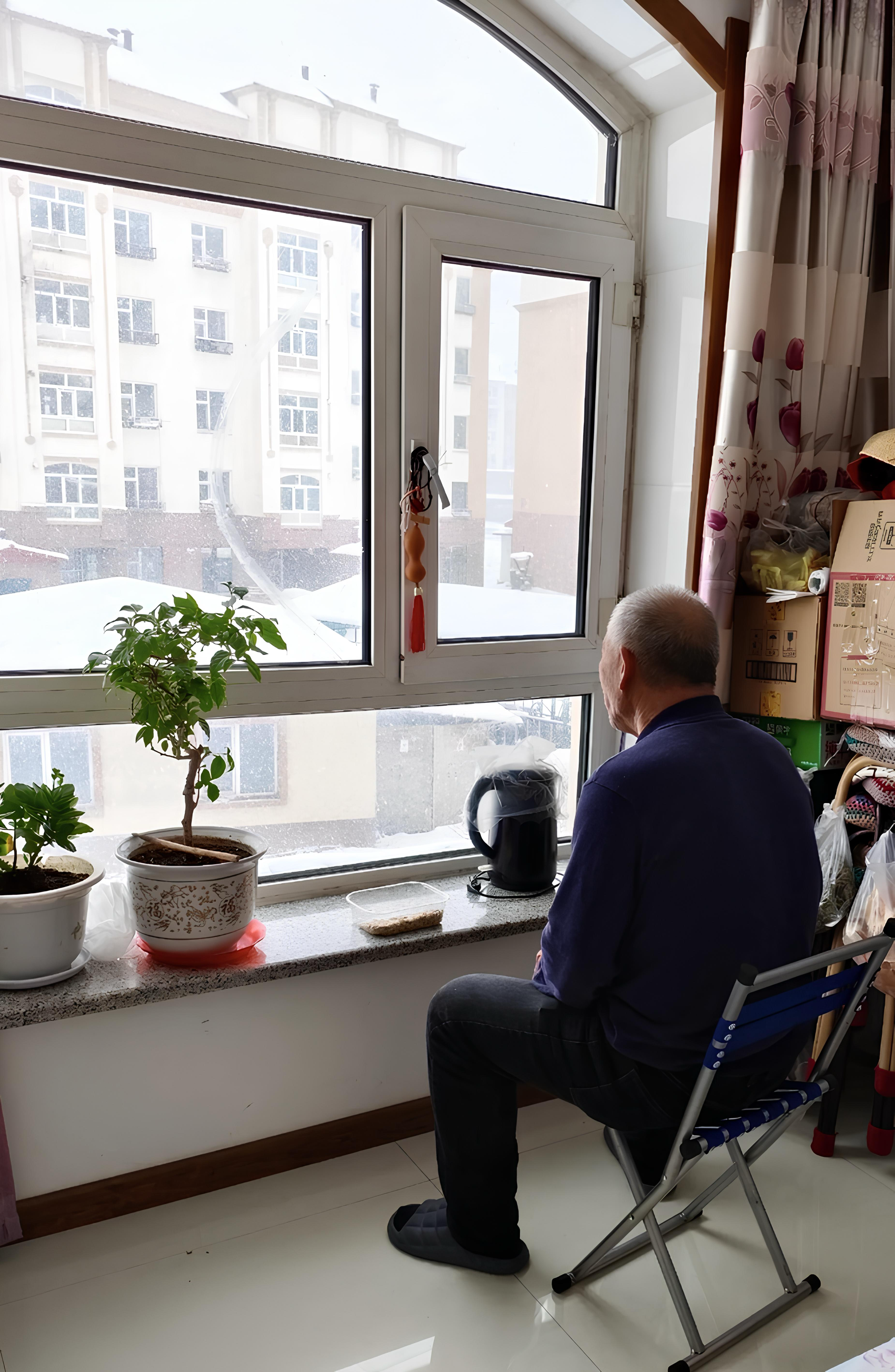
Cold spells adversely impact the mental well-being of older adults, causing depression, sleep disturbances, and social isolation. This study highlights the failure of community services to address these issues, urging policymakers and healthcare providers to implement targeted mental health interventions for this vulnerable population.
Share
Target audience
Urban policymakers; Healthcare providers; Social workers
The problem
In China, people over 60 are projected to reach 28% by 2040, driven by longer life expectancy and declining fertility rates. During cold spells, older adults face heightened risks of depression, mood disturbances, and social isolation, exacerbated by the challenges of an ageing society, such as limited healthcare resources and insufficient community services. Despite the severity of these impacts, there is a notable lack of preparedness in community services and mental health support systems to address these challenges, leaving older adults without adequate coping mechanisms.
What we did and why
This study was motivated by the increasing vulnerability of ageing populations to extreme weather events, particularly in China. Our goal was to fill this gap by identifying specific challenges older adults face during cold spells and providing actionable insights for policymakers and healthcare providers to improve support systems and community resilience.
We conducted a qualitative study to explore the impact of cold spells on the mental well-being of older adults in Jinan, China, and to evaluate the preparedness of community services. Semi-structured interviews were conducted with 21 older adults aged 60 and covered topics including personal experiences during cold spells, coping strategies, and perceptions of community support.
Our study’s contribution
We discussed several key aspects, including psychological distress, physical health implications, social isolation, coping mechanisms, and gaps in community services. Our findings highlight the urgent need for targeted interventions to address the mental health and well-being of older adults during extreme weather events, with a focus on strengthening community services and resilience.
Our study addresses an important gap in understanding how cold spells affect the mental well-being of older adults living in urban areas. Key findings include:
Impacts for city policy and practice
Our findings underscore the need for immediate action to protect older adults from the mental well-being impacts of cold spells. Specifically, we call for:
Further information
Full research article:
Cold spells and mental well-being: the influence of cold spells on older adults in Jinan, China
Jifei Chen, Xiaoming Shi & Laurence L. Delina
Related posts

Walking around the neighborhood is good for older adults health, but the way older adults perceive their surroundings can affect this behavior. This topic has been discussed for some time in high-income countries. There, it is observed that older adults who live in neighborhoods with high residential density, diverse land use, good road connectivity, access to public transport, pleasant aesthetics, security against crime and traffic, presence of recreational facilities, infrastructure for pedestrians and cyclists, green spaces and visible parts of the sky are more likely to walk, whether for utilitarian or recreational purposes. On the other hand, in Latin American countries such as Brazil, where there is a significant increase in the older adults population and challenges related to urbanization and social inequalities, the relationship between the characteristics perceived of neighborhoods by the older adults and walking behavior is still unknown.

Lack of ‘Ciclorutas’ (bicycle lanes) in Bogota’s neighbourhoods of low socio-economic status shows inequality in the access to active transportation options, potentially increasing health disparities.

This paper investigates how health-promoting planning strategies are leveraged in place-based urban transformation initiatives to develop public spaces within neighbourhoods to improve children’s and community wellbeing. Safe, healthy, and accessible neighbourhood public spaces transform children’s lives in cities.