
City Know-hows
Built environment scholars and practitioners are in a position to help curtail greenhouse gas emissions. To do so, building design must go beyond sustainability and needs to instead aim to become regenerative. This article reviews the existing evidence of regenerative design.
Share
Target audience
Urban leaders and built environment professionals will greatly benefit from this review of existing literature.
The problem
Built environment practitioners need regenerative design practice guidelines that are easy to apply in the field and that are backed by cost objectives and evidence-based research.
What we did and why
We completed a scoping literature review to determine how existing literature addresses regenerative design principles in the context of mixed-use buildings, and to determine what opportunities exist to advance the knowledge and implementation of regenerative design performance areas.
Our study’s contribution
The review underscores the multifaceted nature of regenerative development, emphasizing the interconnectedness between environmental, social, and economic factors. Furthermore, the results highlight the critical role architects and designers have in advancing regenerative design, particularly in building materiality decisions.
Impacts for city policy and practice
Our study maps research literature, identifies gaps, and shapes future inquiries towards establishing easily applicable regenerative design guidance for mixed-use buildings within urban core neighborhoods.
Further information
Full research article:
Impact of regenerative design on resilience within urban core neighborhoods: a scoping literature review by Milena Rodriguez Mendez & Lisa Sundahl Platt
Related posts

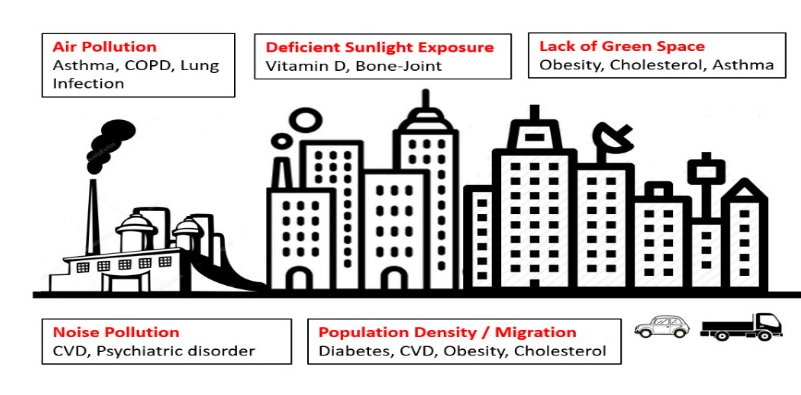
New research on India’s ageing population reveals urban-rural disparities’ impact on health. Urban areas see high rates of obesity, cardiovascular diseases, diabetes, and high cholesterol. Urgent call for urban planning and health policies
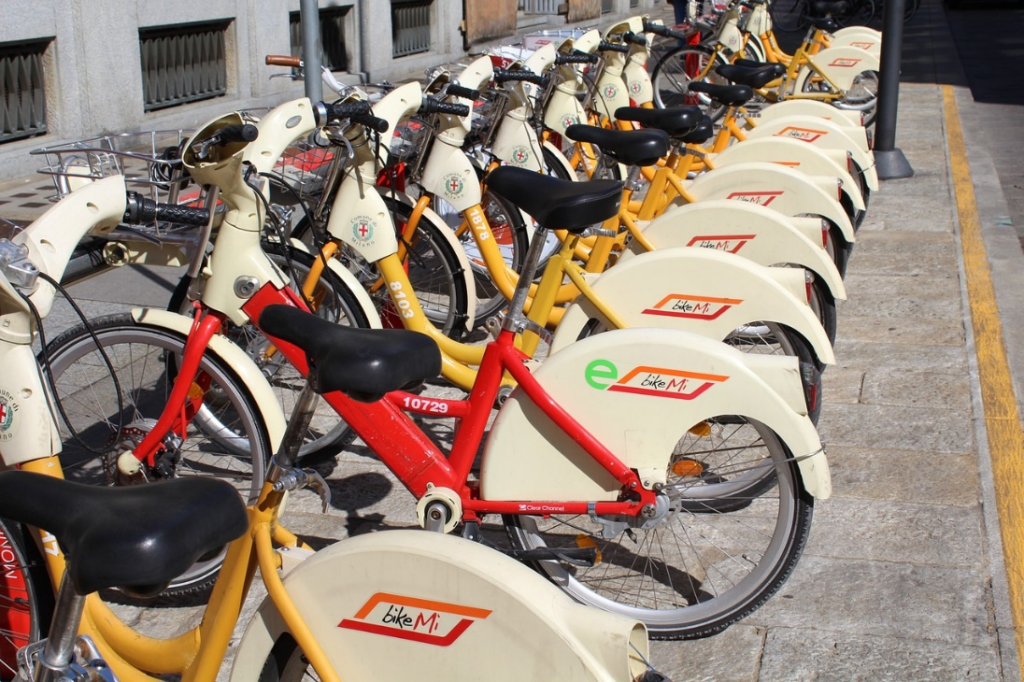
Shared mobility hubs that offer (electric) bikes and cars can be a sustainable solution that enables people to expand their mobility options while protecting cities’ environment by reducing private car use and encouraging cycling. We interviewed residents of a deprived neighbourhood in Utrecht, the Netherlands, to understand their mobility needs and views on a recently implemented shared mobility hub in their neighbourhood, identifying potential obstacles in the process.
Our study investigated whether apartment dwelling and building design attributes influenced residents’ housing satisfaction in the initial stages of the COVID-19 pandemic. Multivariate models showed that residents’ perceptions of their apartment’s internal space and layout and the thermal comfort it afforded them in winter were independently associated with increased housing satisfaction.