
City Know-hows
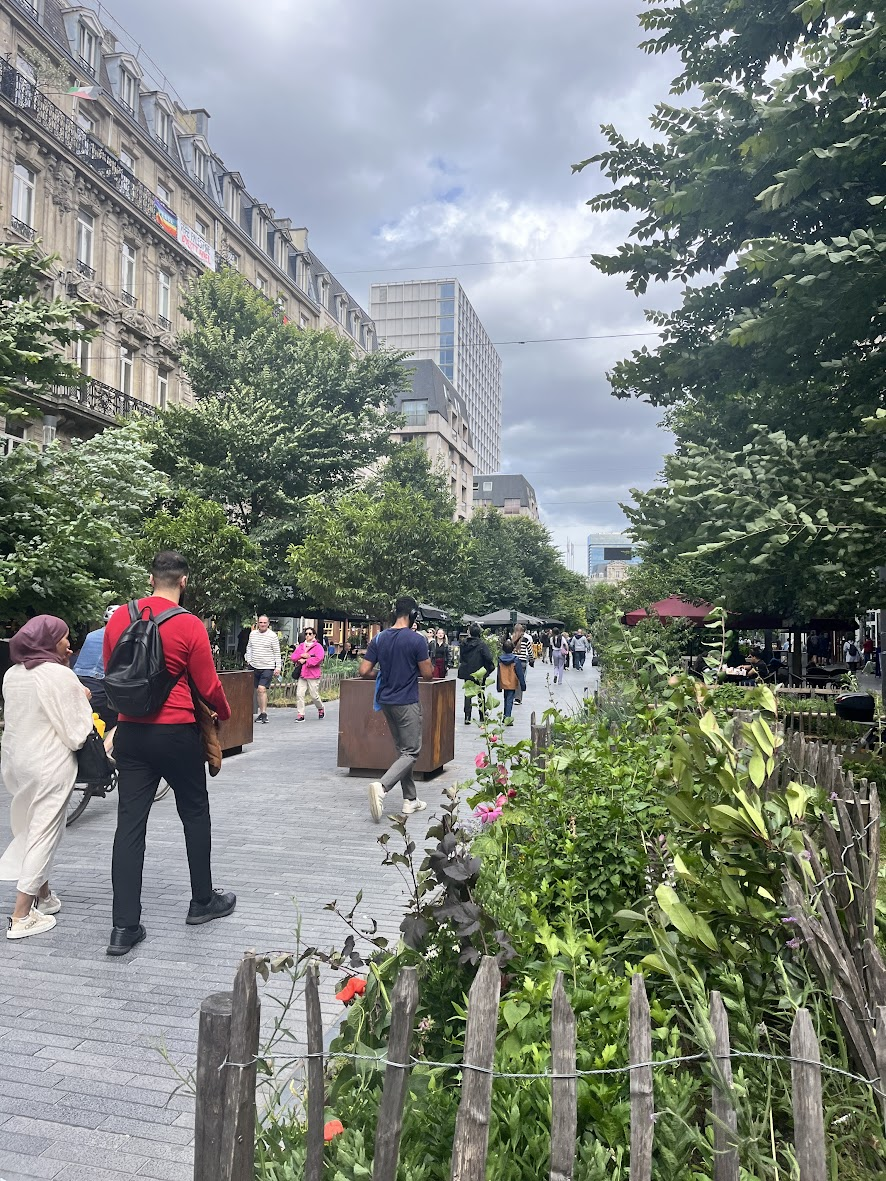
How can cities like Brussels and Malta overcome barriers to active mobility and create healthier, more sustainable urban environments? Discover the challenges, strategies, and key insights from local stakeholders on paving the way for a transformative future of mobility. Through interviews with key stakeholders, we explore solutions like citizen involvement and organisational changes that can drive urban transformation and support sustainable, active mobility.
Share
Target audience
Urban planners and designers; policy-makers and researchers working on active mobility and street transformations
The problem
Although active mobility interventions and street transformations have gained traction in recent years, different contexts are experiencing major barriers in their design and implementation, which ultimately hinder efforts to promote active modes of transport.
What we did and why
We conducted research in Brussels and Malta to understand the barriers to designing and implementing active mobility interventions. Through media content analysis and stakeholder interviews, we identified the challenges these cities face, ranging from socio-cultural to political and financial. We also identified strategies that can improve the acceptance and success of active mobility projects, aiming to create healthier and more sustainable communities.
Our study’s contribution
Our study provides a deeper understanding of the barriers to active mobility interventions in different contexts, including in very car-centric urban environments. The study highlights differences in socio-cultural, financial, political, and knowledge-related challenges. It shows how these factors influence each city’s transformation process and offers actionable insights. These findings can guide future mobility projects aimed at promoting sustainable, active mobility in urban areas.
Impacts for city policy and practice
We highlight the need for city policies to prioritize citizen involvement and organizational changes to overcome barriers in active mobility projects. By addressing socio-cultural, financial, political, and knowledge gaps, cities can improve the success of such interventions. Policymakers should focus on tailored solutions that enhance public acceptance and streamline project implementation, ultimately fostering more sustainable and healthier urban environments. These findings can inform future mobility strategies in similar urban contexts.
Further information
Full research article:
[OPEN ACCESS] Understanding the barriers and facilitators of planning and implementing active mobility interventions in Brussels and Malta by Karyn Scerri, Lluis Martinez, Juliana Betancur Arenas, Imre Keserü & Maria Attard
Related posts

Beaches can be important settings for physical activity. The quality of these spaces (safety, amenities, aesthetics) can influence how well they support physical activity and health. The quality of beaches may differ across neighbourhoods, with higher socioeconomic status neighbourhoods having disproportionately better access to beaches.

In resettlement colonies of Mumbai, tuberculosis is rapidly spreading due to the poor natural ventilation and sunlight access. This is because of bad designing and

What makes a city truly healthy? This study engaged experts worldwide to identify 144 key indicators across social, economic, environmental, legal, technological, and commercial determinants of health—offering a practical roadmap for India’s mission to build 500 healthy, inclusive, and sustainable cities.