

City Know-hows

Designing residential open spaces that encourage children’s everyday movement

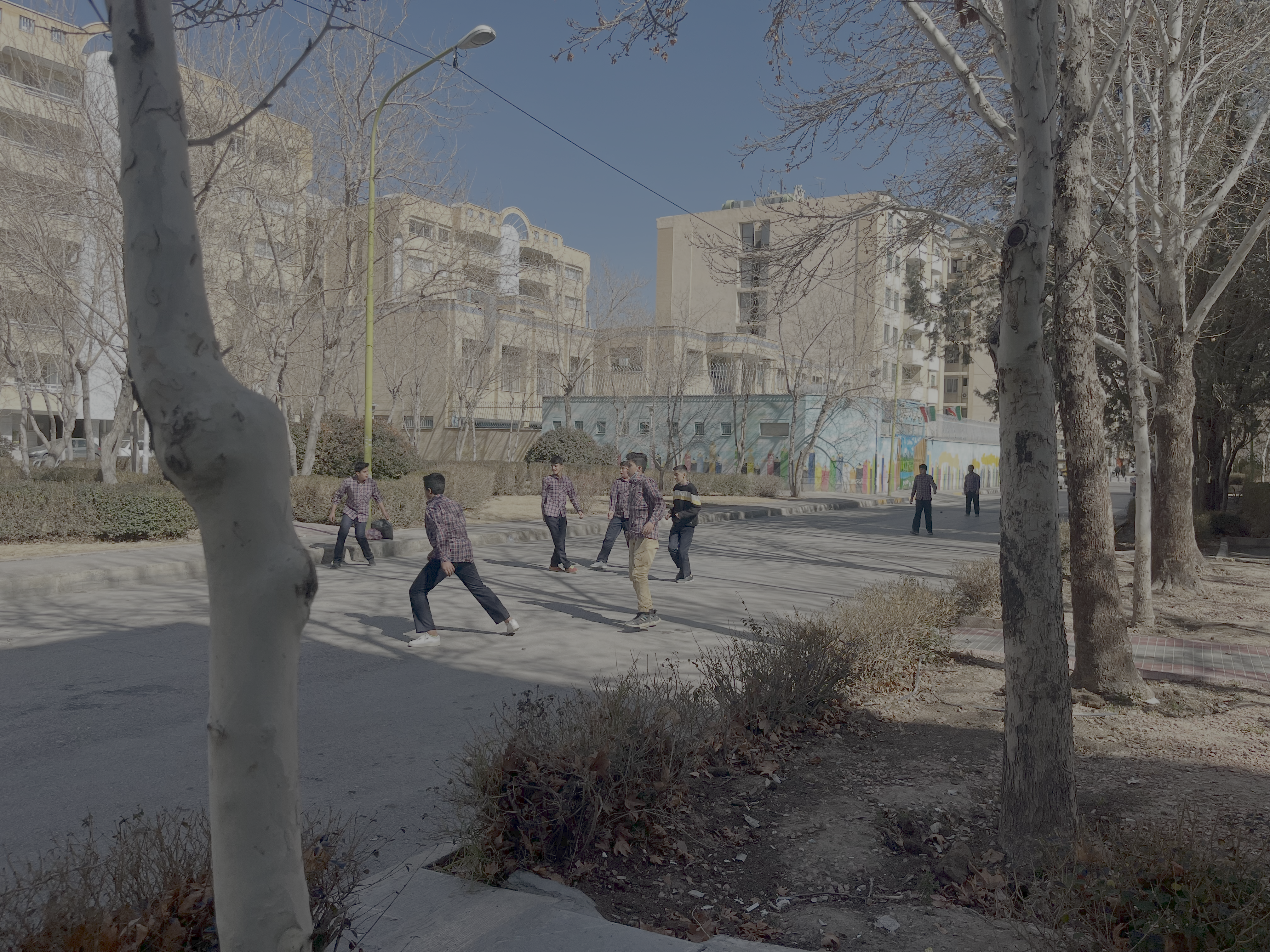
Children’s daily movement is shaped by how residential open spaces are designed. Our findings show that small spatial adjustments—such as connected pathways, flexible play zones, and improved visibility—can significantly enhance children’s physical activity. These insights help cities create healthier living environments.

Share

Target audience

Municipal housing and neighbourhood development authorities; Urban designers, landscape architects, and residential master planners; Public health practitioners working on child wellbeing and active living policies

The problem

In many residential complexes, children’s opportunities for everyday physical activity are limited by design choices that overlook their movement needs. I found that disconnected pathways, isolated playgrounds, poor visibility, and overly controlled spaces restrict children’s independence and reduce the diversity of their play. These shortcomings mean that open spaces—despite their potential—often fail to support children’s health, mobility, and social interaction.

What we did and why

We developed and used a paired-image visual questionnaire to capture children’s own evaluations of open spaces in two residential complexes. By asking them to compare different spatial features and explain their choices, we gained insight into how design elements shape their motivation to move, play, and explore. We chose this approach because children’s perspectives are often overlooked in residential planning, and a visual, child-friendly tool allows them to express their preferences clearly and meaningfully.

Our study’s contribution

Our study highlights the specific spatial features that meaningfully enhance children’s activity in residential environments.
It adds:
• evidence on how circulation networks, flexible areas, and natural elements support diverse movement;
• a child-centered framework for evaluating residential open spaces;
• practical design criteria that translate children’s needs into actionable spatial guidelines.
By linking behavioural data with design recommendations, the study offers a pathway for creating healthier, movement-friendly housing environments.

Impacts for city policy and practice

This study shows how residential environments can be redesigned to foster children’s everyday movement. We recommend that cities:
• prioritise connected pedestrian loops and multi-functional open spaces in housing projects;
• incorporate children’s behavioural needs into housing regulations and design briefs;
• ensure visibility, safety, shading, and caregiver comfort as essential standards.
By integrating these principles, municipalities and designers can promote healthier routines and more active lifestyles for children in dense urban settings.

Further information

Full research article:

Designing for movement: a child-centered evaluation of spatial features in residential open spaces by Saba Hejazi, Minoo Shafaei, Niloufar Malek, Thomas H.-K. Kang & Jin Baek

Related posts

Are we building for health? Food environments in transit-oriented development, New South Wales 

The built food environment has a significant influence on population health, for better and for worse. Evidence shows that urban planning can play a major role in creating food environments that support healthy food choices; however current transit-oriented developments have not yet considered access to healthy food outlets. We found evidence that a high proportion (79 – 84%) of food outlets could be classified as ‘unhealthy’ across eight transport hubs identified for accelerated development in New South Wales.

Read More »