City Know-hows
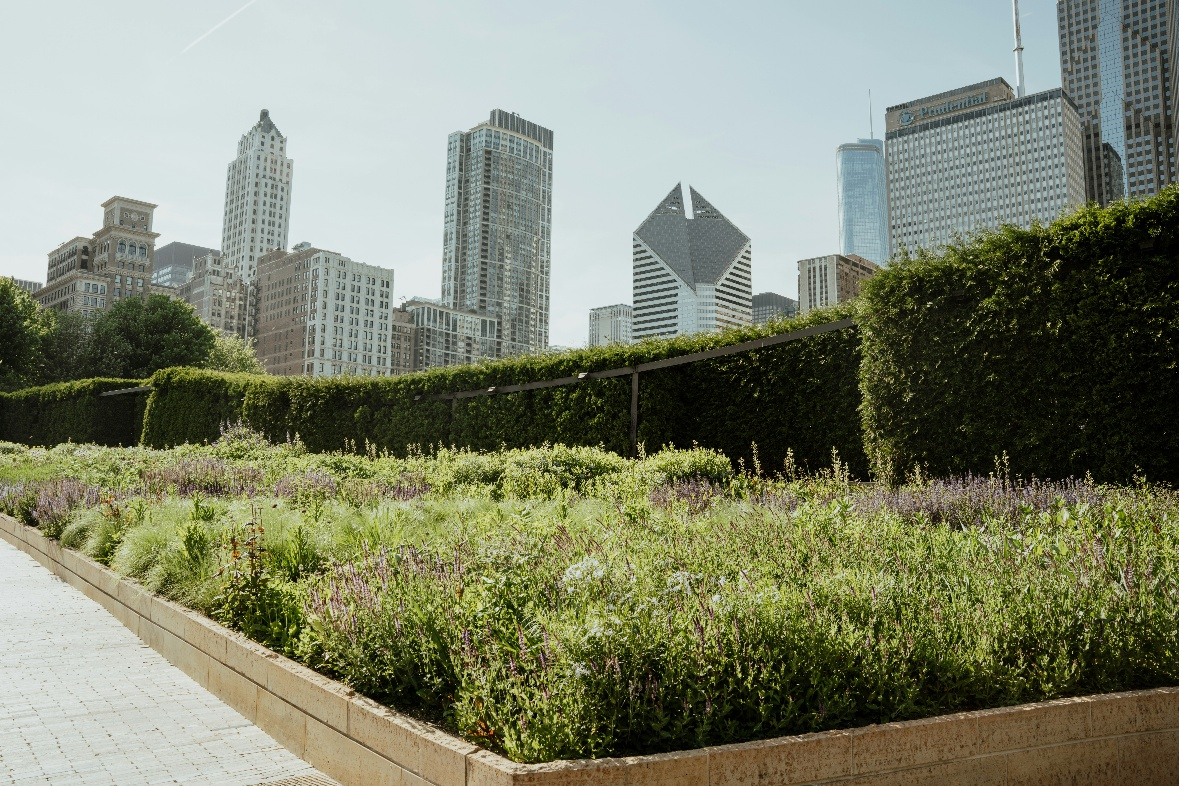
Greenspace use can positively influence subjective wellbeing; but research often focuses on how nature as “part of self” affects this relationship. Instead, we should focus on both urban and natural place-related identities to enhance wellbeing for all greenspace users.
Share
Target audience
Built environment professionals; environmental social scientists; policymakers; public health professionals.
The problem
Greenspace visits are considered a public health resource for their potential to improve subjective wellbeing. Researchers and agencies collecting large-scale survey data typically focus on the extent someone feels nature is a part of their self-concept; but this limits our understanding of greenspace-wellbeing linkages for those whose self-concept is aligned to urban settings. Additionally, ‘nature-in-self’ and related concepts are rarely considered as moderators in the person-environment-wellbeing relationship, which helps to understand what works for whom.
What we did and why
I conducted an empirical exercise using England’s People and Nature survey that treated nature-in-self as a proxy place-identity variable (urban identity was not collected). I explored if it caused different patterns (i.e., moderated) in the relationship between greenspace visits and types with subjective wellbeing. The aim was to explore what worked for different greenspace users in the April-June 2023 waves of this nationally-representative, cross-sectional survey.
Our study’s contribution
My findings showed:
• Greenspace visitors (within either 7 or 14 days) reported higher life satisfaction than non-visitors. Visitors within 7 days were happier than visitors (last 14 days) or non-visitors.
• Higher levels of nature as part of the self-concept were also associated with better subjective wellbeing.
• Subjective wellbeing was equal across different greenspaces.
• Different levels of the nature-related self-concept were not associated with different patterns in the influence of greenspace visits or types.
Impacts for city policy and practice
The impact of greenspace visits, types, and nature-related self-concept on subjective wellbeing was small and contrary to findings investigating both urban and nature-related identities. We need to think about a wider range of users. I argue that both urban AND nature-related self-concepts should be included – particularly in national surveys. This would help us better understand both user and non-user perspectives. I propose a conceptual model for future investigations to help implement this approach.
Further information
Full research article:
Related posts

Reducing loneliness through nature-based social prescribing: Testing innovations in six cities worldwide and generating evidence to support community-based solutions.

Uninterrupted pedestrian flow is key to walkable, inclusive cities. This study explores how sidewalk conditions, user conflicts, and weather disruptions affect movement. By identifying key qualitative factors, we propose a user-focused method for assessing and enhancing sidewalk Quality of Service (QoS).

Before COVID-19, we freely used lively streets and public spaces. The pandemic emptied them and changed how people perceived urban life. Places once full of joy became empty and fearful. Our study examines COVID-19’s impact on three key dimensions of urban design and offers lessons for building healthier, more resilient cities.