
City Know-hows

Designing cities for mental wellbeing: Lessons from Mahabad’s pandemic experience

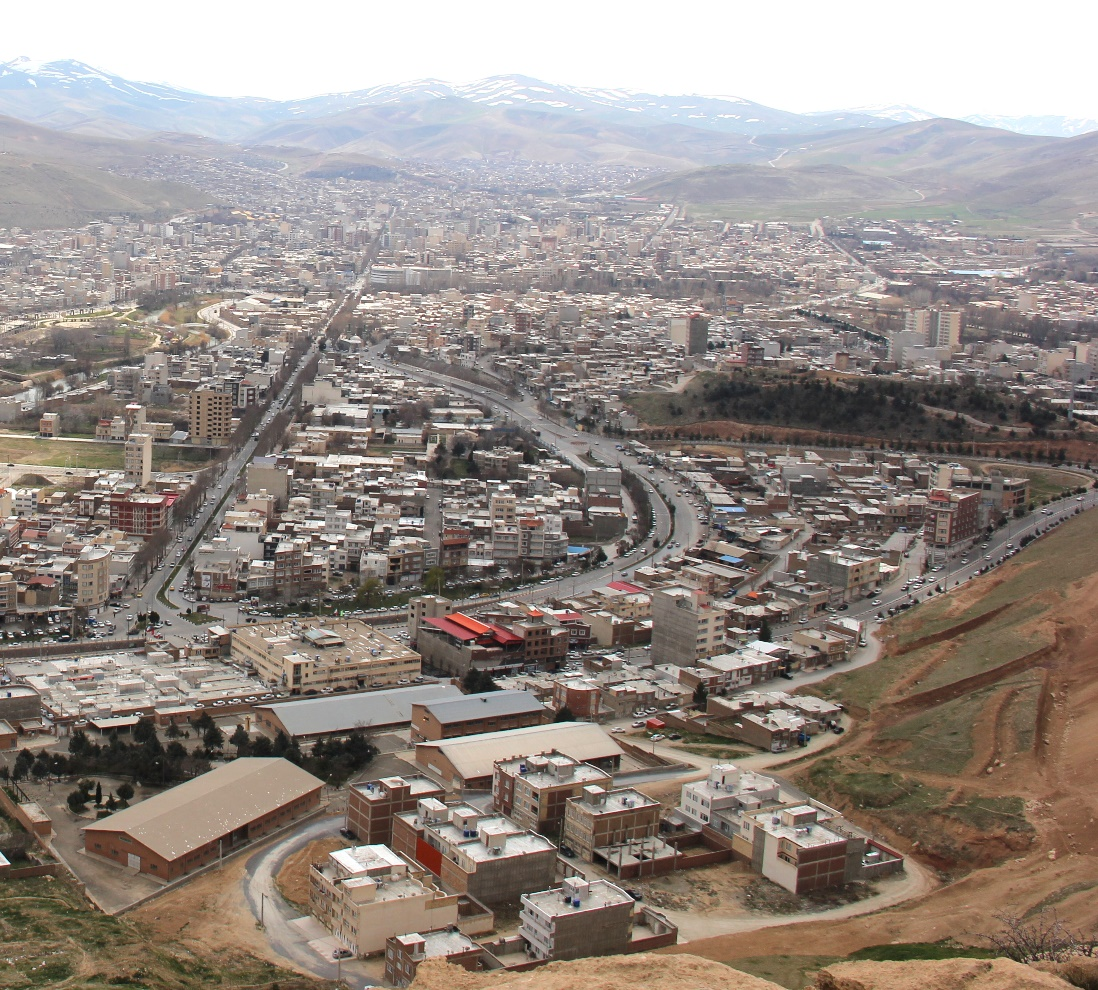
Mahabad's vibrant historic district showcases the power of urban design to cultivate social connectivity and psychological grounding. Preserving local architectural character while enhancing walkability, green spaces and communal plazas can nourish both individual and community mental well-being. Image: Arman Davoudi.

How can we shape cities to nurture psychological sanctuary? Drawing from a pioneering study in Mahabad during COVID-19, this guide unveils urban design strategies that foster community mental wellness – a pivotal pursuit for our rapidly urbanizing world.

Share

Target audience

Municipal leaders, urban planners, public health authorities, community advocates, architects, landscape architects, policymakers.

The problem

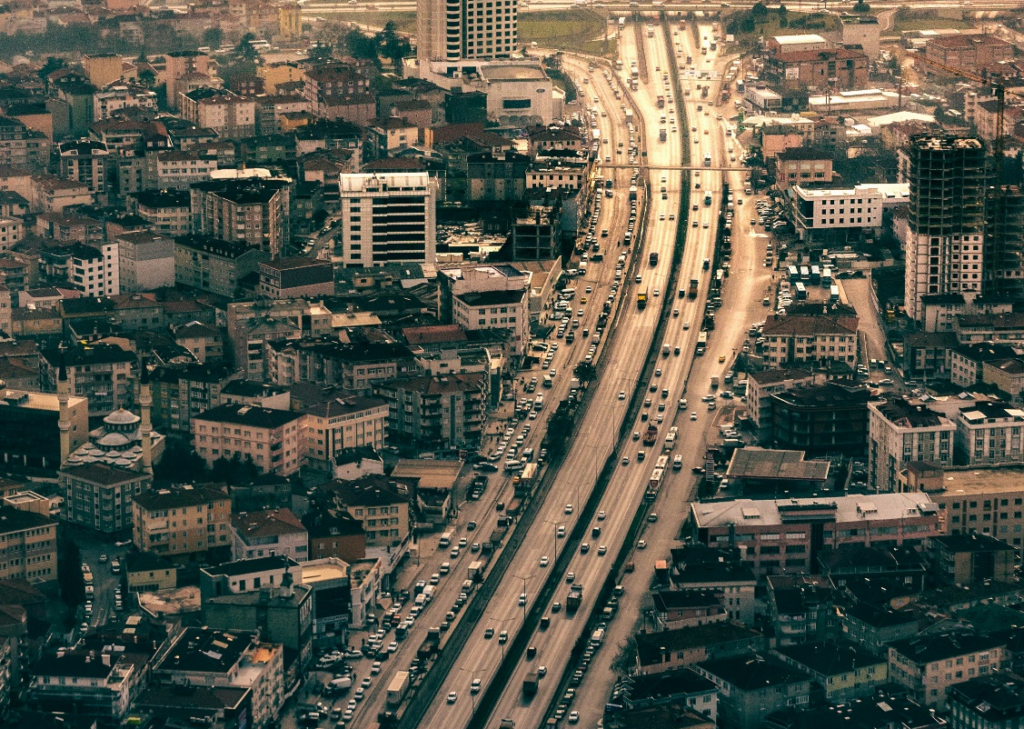
While cities offer unparalleled economic and cultural opportunities, their very density and complexity can undermine mental health. Noise, pollution, crowding, and fragmented social bonds contribute to higher rates of depression, anxiety and loneliness among urban dwellers. The COVID-19 pandemic further exacerbated these challenges by limiting access to restorative public spaces.

What we did and why

To illuminate pathways for promoting psychological sanctuary amid modern urban stressors, my team rigorously quantified the mental health impacts of Mahabad’s built environment during the pandemic. Using a reliable questionnaire validated with 384 residents, we statistically modelled how design factors like green space, walkability, and neighbourhood character influenced multiple dimensions of well-being.

Our study’s contribution

Our findings empirically demonstrate that urban design choices can either impair or uplift community mental health. Better perceived access to nature, connectivity, aesthetic character and public gathering areas showed significant positive correlations with residents reported psychological resilience, life satisfaction and overall flourishing – even while grappling with a global crisis.

Impacts for city policy and practice

This study underscores an urgent need to elevate psychological well-being as a core priority for urban policymaking and development. Embedding human-centred design principles that foster social cohesion, provide restorative respites, and instil a localised sense of place can equip our rapidly urbanising world with greater mental fortitude. Specific recommendations include promoting walkable, mixed-use neighbourhoods with quality green infrastructure, protecting heritage architecture, and incentivising vibrant public realms.

For further information, see The Kurdish Project.

Further information

Full research article:

Effect of urban design on mental health during the COVID-19 pandemic, Mahabad, Iran by Mohammad Anvar Adibhesami, Hirou Karimi, Borhan Sepehri, Ayyoob Sharifi and Masoumeh Nazarian.

Related posts