City Know-hows

Designing healthy edible cities

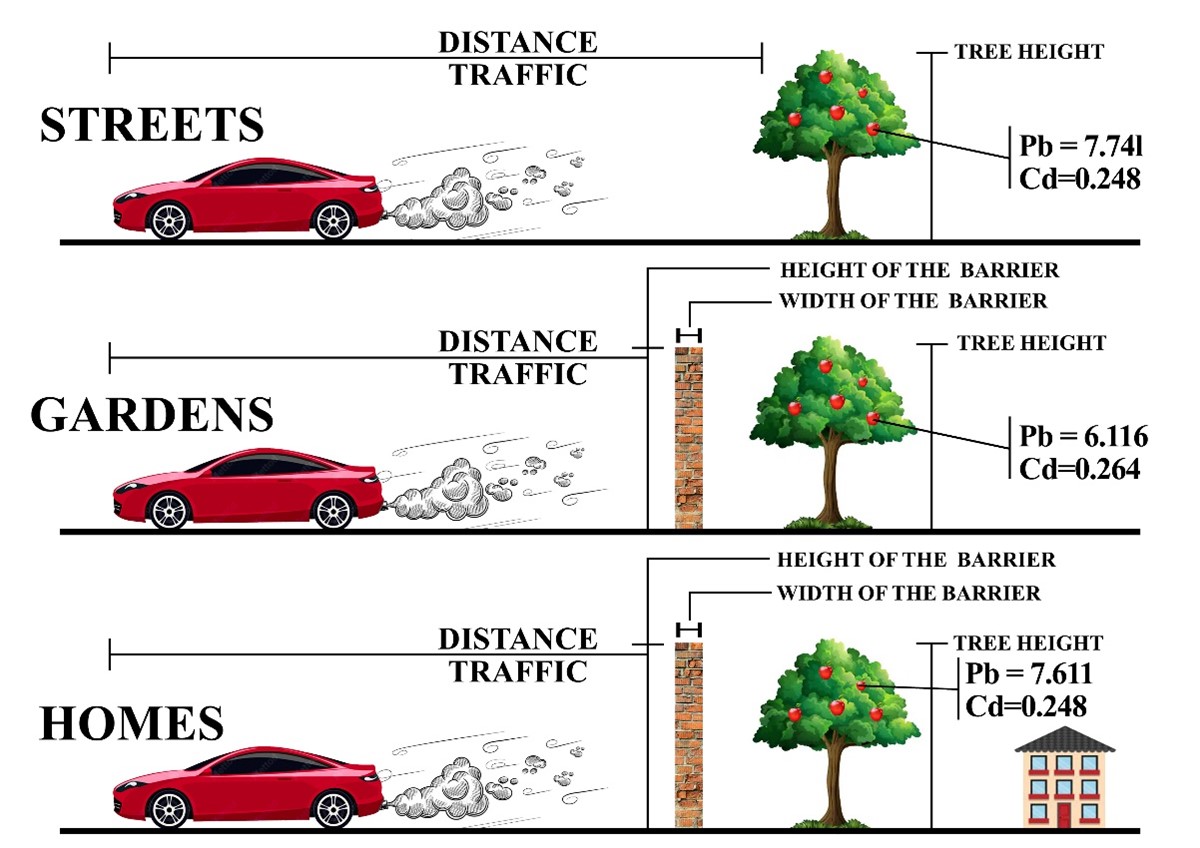
This study in Tehran examined how barriers, tree height, street proximity, and fruit type affect metal content. Results showed sites taller than 10 meters exhibited the highest cadmium levels, while barriers and proximity to streets influenced lead levels. Understanding these factors is crucial for designing safe edible green infrastructure.

Share

Target audience

City managers, landscape architects, urban planners, public health policymakers

The problem

We know growing food in cities can be crucial for food security and urban resilience. But keeping that food safe is critical. As researchers and landscape architects, we need to understand how environmental factors impact the presence of contaminants in urban-grown fruits.

What we did and why

We investigated heavy metal risks in urban fruits by collecting 103 samples (persimmons, olives, etc.) from various Tehran locations (gardens, streets) in Fall 2022. We focused on lead and cadmium, common environmental contaminants with health risks. We analyzed factors affecting metal uptake, including distance to streets, barrier height/width, and traffic burden (using Google Maps data). Statistical analyses helped identify spatial patterns and potential health risks associated with consuming urban fruits.

Our study’s contribution

This study offers crucial insights for designing safer edible green spaces. Our findings suggest planting fruits further from busy streets, using barriers to shield them from traffic, and implementing health-focused designs in gardens and agricultural green spaces can all reduce heavy metal content in fruits.

Impacts for city policy and practice

Our pioneering research on edible green infrastructure in Iran informs future policy and practice. Our findings can guide the development of sustainable guidelines for designing safer edible green infrastructure, promoting healthier and more resilient cities.

Further information

Full research article:

[OPEN ACCESS] Designing healthy edible cities: investigating the environmental and spatial factors affecting urban fruit safety by Mohammad Reza Khalilnezhad, Mohammad Reza Taheri, Alessio Russo, Negin Nasseh, and Ahmad Taheri.

Related posts

Can child-friendly walkability be improved in a two-wheel traffic-saturated city like Ho Chi Minh City, Vietnam?

Ho Chi Minh City’s motorbike-dependent traffic, severe congestion from overloaded infrastructure, high accident rates among children and pedestrians, and a doubling of overweight and obesity rates among children over the past decade have driven a comprehensive study on children’s walkability. This study serves as a foundation to encourage more walking among children as an initial step toward addressing these critical issues.

Read More »

Understanding playgrounds for inclusive and dynamic urban experiences

This study explores how urban playground design can either segregate or integrate children within the broader city fabric. By comparing Venice and Auckland, we illustrate how playgrounds in Venice encourage unstructured exploration, while those in Auckland limit engagement to isolated, structured zones. We propose strategies for urban design that foster inclusive and dynamic public spaces for children.

Read More »