City Know-hows
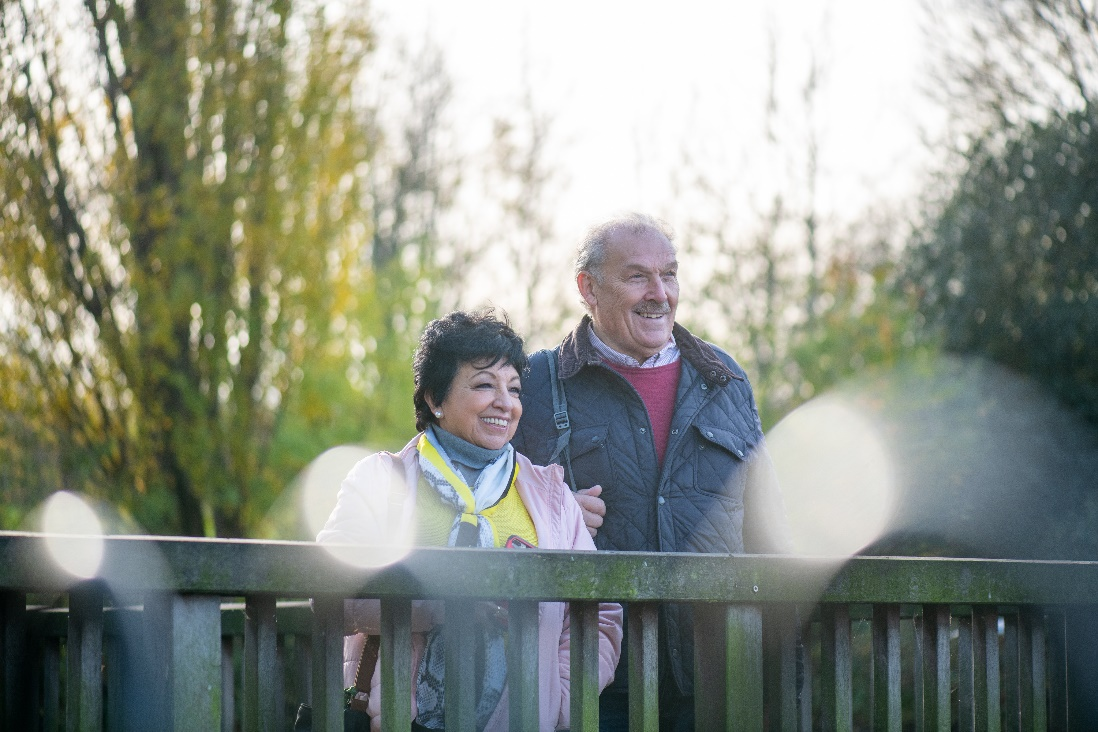
Experts agree that the planning of public space in light of new active mobility trends and policies has not properly taken into account the active aging policies and the context of older people as users, especially in the construction of a barrier-free and safe environment. Only through the alignment of active mobility and active ageing policies is it possible to respond to the needs and to include people of all ages
Share
Target audience
To be successful, practitioners, city actors and decision-makers must implement aligned mobility and aging policies with everyone and for everyone, that is, based on the public participation of all users and adapting the strategic and spatial solutions to their various contexts.
The problem
It is paramount to bridge the knowledge gap about whether the planning of active mobility and green streets as a response to climate change mitigation policies has considered the active aging and age-friendly framework. That said, two questions must be answered:
How have active mobility and active aging policies evolved in the world?
How is active aging and the context of older people as users considered in the design of active mobility policies?
What we did and why
Firstly, we carried out a literature review crossing climate change mitigation, active mobility and active aging policies implementation in the world and in Portugal in order to diagnose the degree of their alignment. Secondly, we applied a rigorous survey (Delphi) to experts in this research field to validate the main challenges, as identified through the literature review, that are faced in the integration of the well-being of older people in the design of a green and age-friendly city.
Our study’s contribution
It appears that Lisbon (Portugal) ended up being wilful in its green agenda, so the European climate change agenda only reiterated the importance of investing in active mobility. In turn, besides the strong strategic ambition of World Health Organization, aging policies in Portugal are still precarious and have followed a slower and disconnected path from active mobility policies.
Impacts for city policy and practice
To be successful, practitioners, city actors and decision-makers must implement aligned mobility and aging policies with everyone and for everyone, that is, based on the public participation of all users and adapting the strategic and spatial solutions to their various contexts. Otherwise, they may be exclusionary and ageist, whereby this article presents clues for a more participatory, effective, and inclusive future of planning in favour of longevity.
Further information
Full research article:
Analysis of active mobility and active aging: insights on green street design and age-friendly policies in Portugal by André Samora-Arvela, Sibila Marques, Sara Eloy and Mariana Montalvão
Related posts

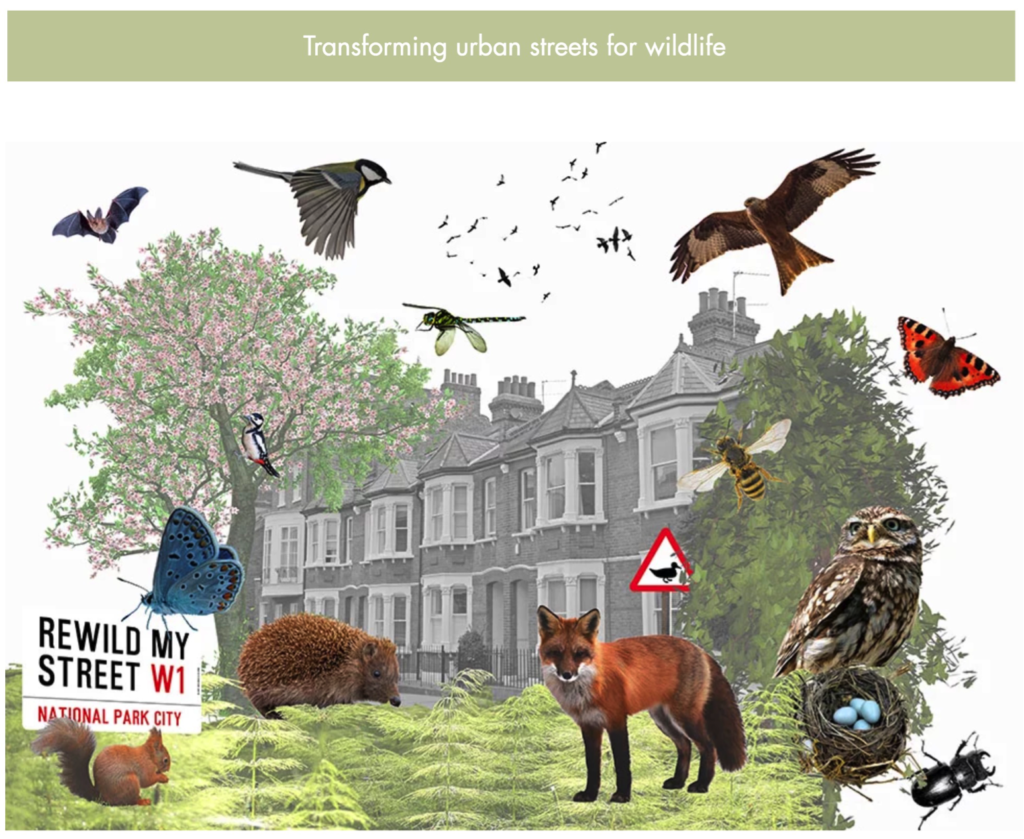
City residential streets offer an opportunity to give back to nature, making changes to make them a habitat for wildlife. Our study investigated the behaviour of rewilding
Our review highlights the lack of urban green and blue spaces interventions to prevent violence against women and girls. We look also at how interventions could prevent violence against women and girls, reduce inequalities, and reshape social, cultural, and societal norms; promoting use of urban green and blue space for women and girls.

To create healthy urban places and spaces, public acceptance is key to success.