
Creating virtuous cycles of health-based decision-making in urban real estate
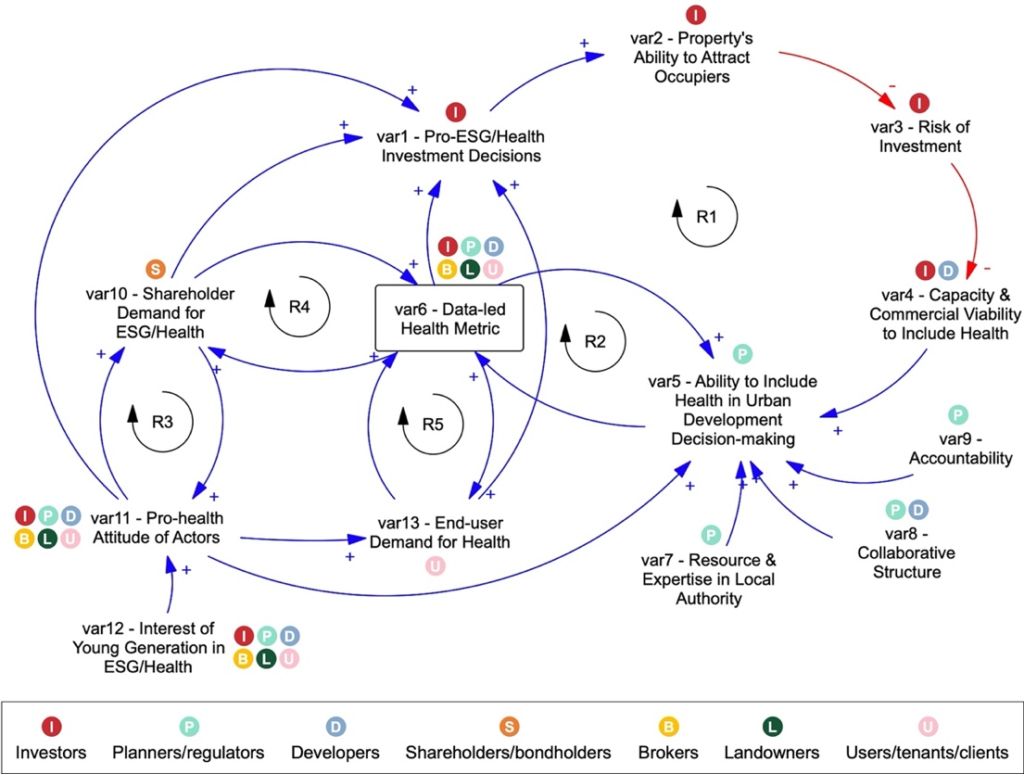
How can we systematically embed health in real estate decision-making to improve health outcomes related to our urban environment? We mapped the system of health consideration in urban development decision-making to identify leverage points and inform interventions that can generate virtuous feedback loops to support better urban health.
Factors constraining and facilitating the prioritization of health in urban development policies

Public health has historically been an important factor driving urban planning policy in England but is currently rarely a priority. We explore the factors behind this, try to explain them in the context of policy developments since COVID-19, and consider what needs to change at national policy level to support healthier placemaking in the future.
Collaboration for healthier urban development
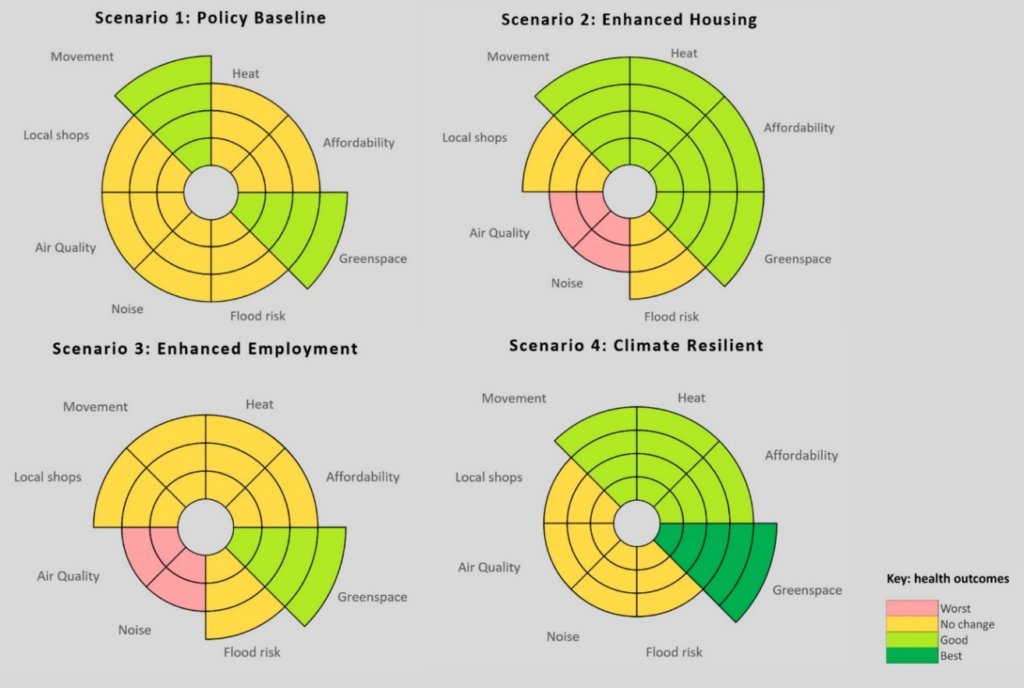
Health evidence could be used more effectively to influence healthier urban development. We learn from a researcher-practitioner collaboration, involving an embedded researcher in local government working on a regeneration project, which helped to develop a new health modelling tool for environmental change and influence decision-making.
Accessible design for people with special cognitive needs: a case study in Thailand
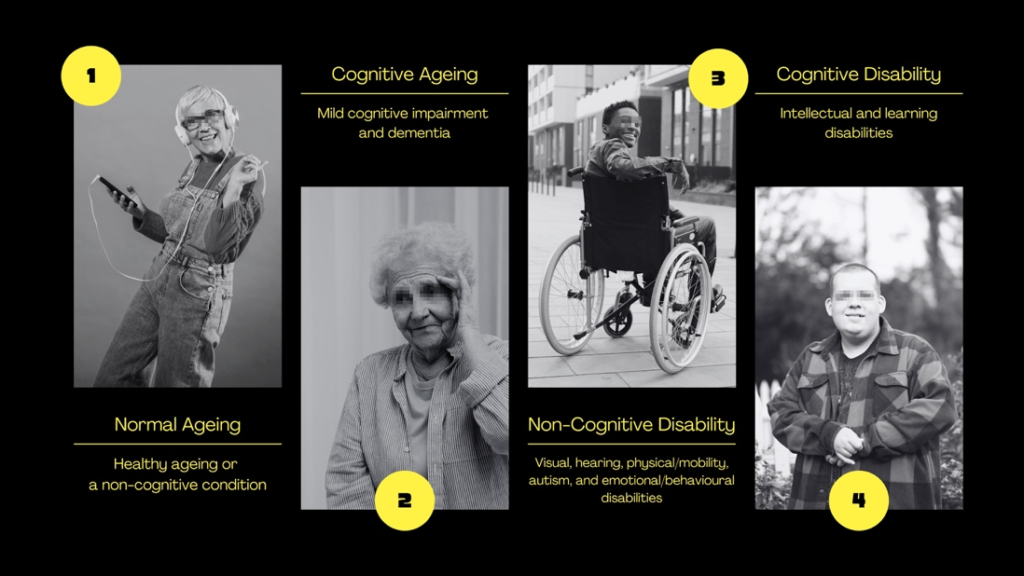
Thailand has spent 16 years developing design guidelines for the elderly and people with disabilities. Still, accessible design for cognition remains inadequate for the impending super-aged society. This mismatch emphasises a critical failure in design planning that demands urgent improvement.
The impact of apartment design on changes in housing satisfaction during the COVID-19 pandemic lockdown
Our study investigated whether apartment dwelling and building design attributes influenced residents’ housing satisfaction in the initial stages of the COVID-19 pandemic. Multivariate models showed that residents’ perceptions of their apartment’s internal space and layout and the thermal comfort it afforded them in winter were independently associated with increased housing satisfaction.
How do high-rise communal spaces shape residents’ social interactions?
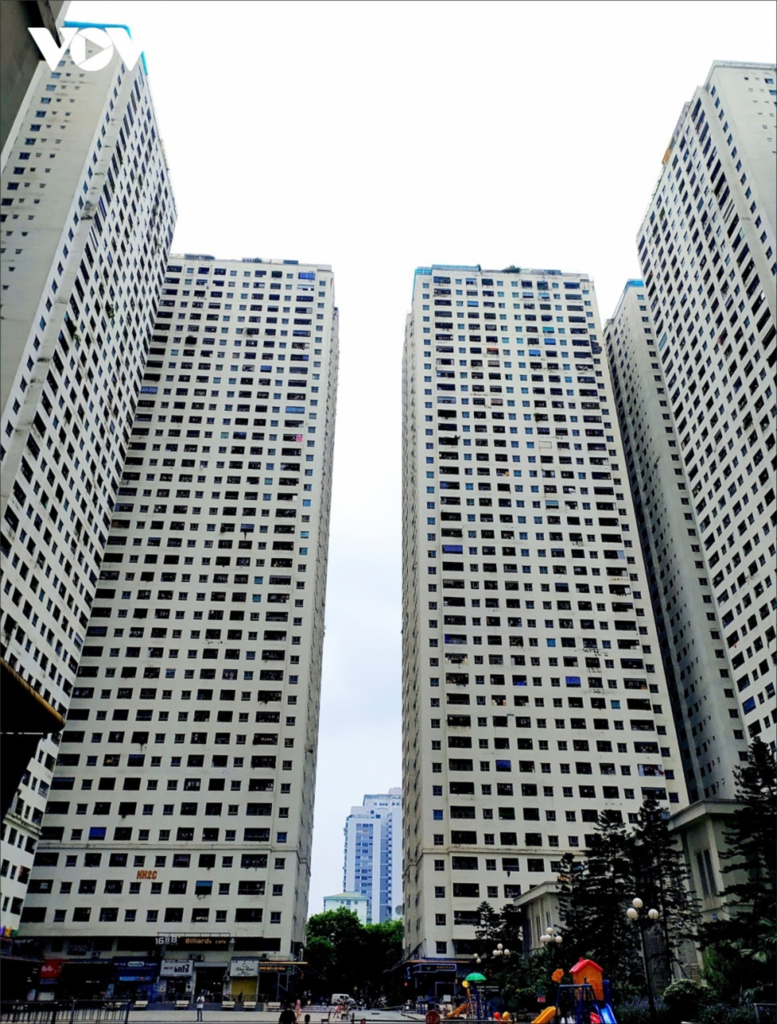
High-rise apartment buildings are increasingly popular in large cities, however, urban land availability for outdoor communal spaces is limited. Creating communal spaces for high population density is a challenging task. Past research indicates the importance of the immediate environment in stimulating social interaction and the spatial organization for social activities can play an important role. One may ask whether the design of communal spaces within high-rise buildings can stimulate social interaction among residents.
The impacts of urban cold spells on mental well-being in ageing populations
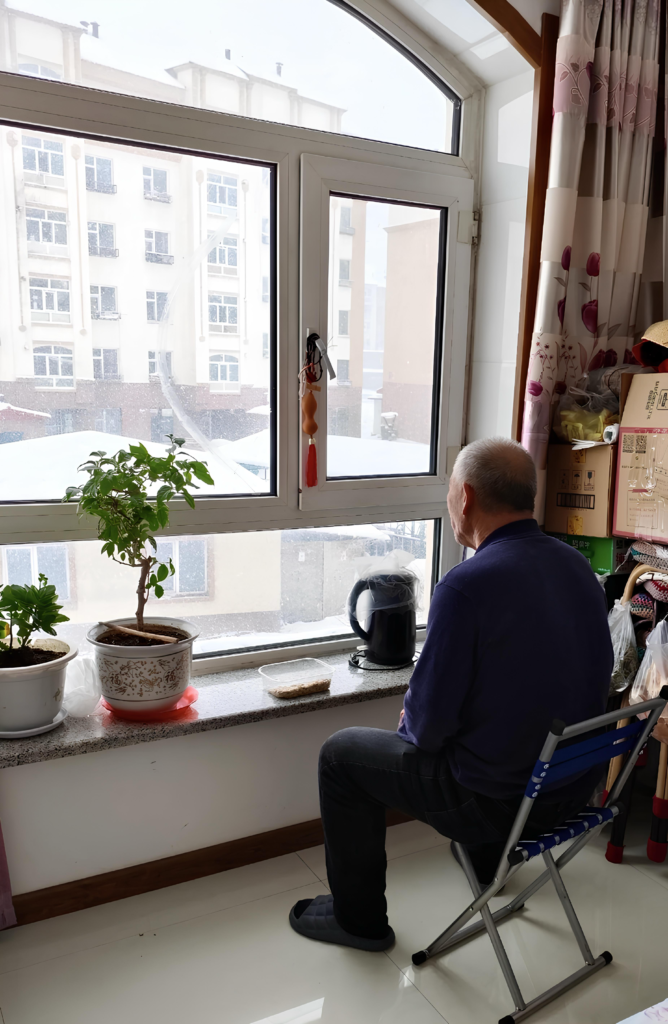
Cold spells adversely impact the mental well-being of older adults, causing depression, sleep disturbances, and social isolation. This study highlights the failure of community services to address these issues, urging policymakers and healthcare providers to implement targeted mental health interventions for this vulnerable population.
Why we walk: Race and the hidden costs of walking more in America
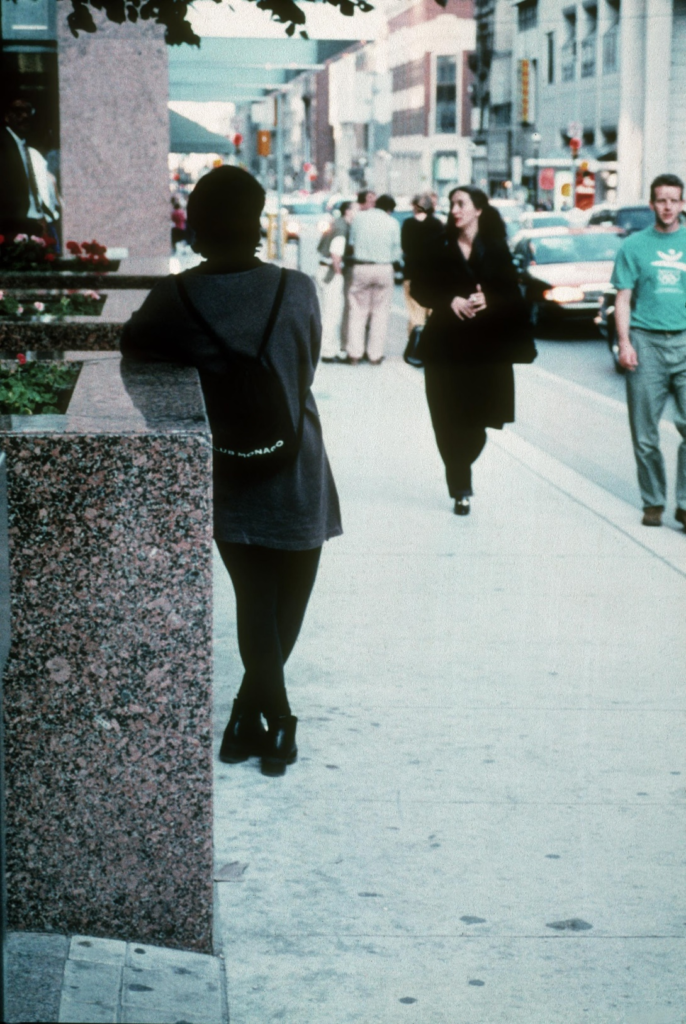
Differences in walking behaviour among racial groups highlight systemic inequalities that affect how and why people walk, pointing to broader issues of transportation and urban planning inequities.
Prioritising resident wellbeing in the growth of secondary cities in low- and middle-income countries
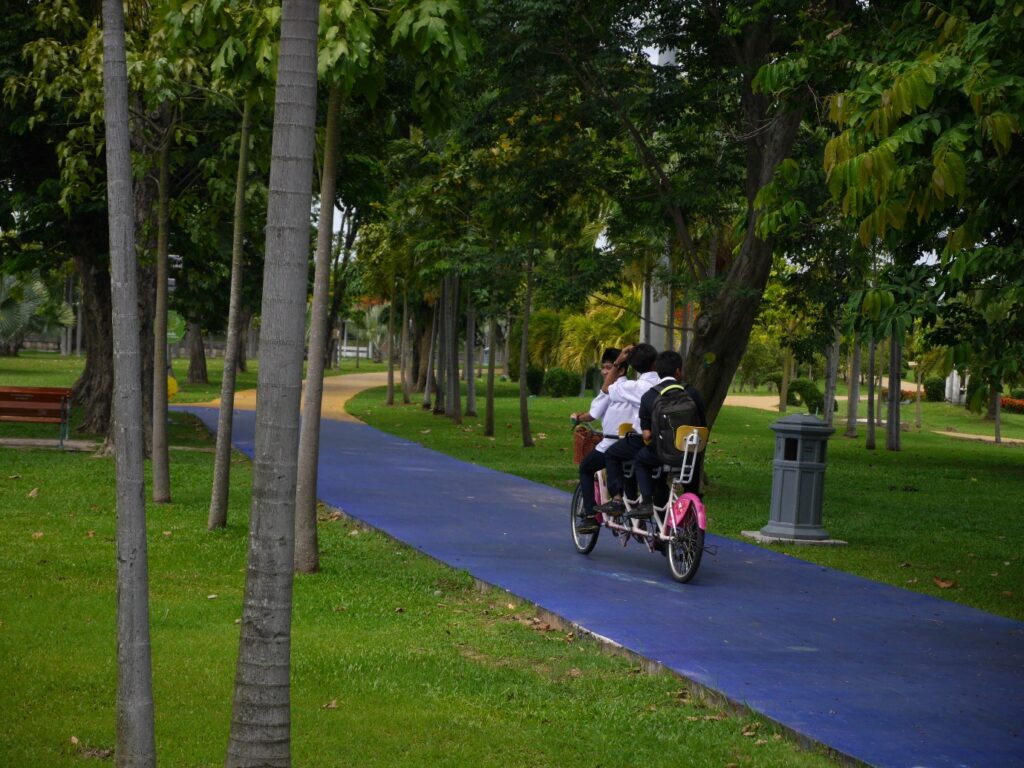
Opportunities exist to influence the growth of secondary cities, home to most of the world’s urban population, in ways that maximise residents’ wellbeing as well as achieve sustainability goals. More research is required to understand how this can be achieved, in particular in relation to city governance.
City design must respect young people’s rights and consider their lived experiences. Meaningful participation is a powerful protective factor!
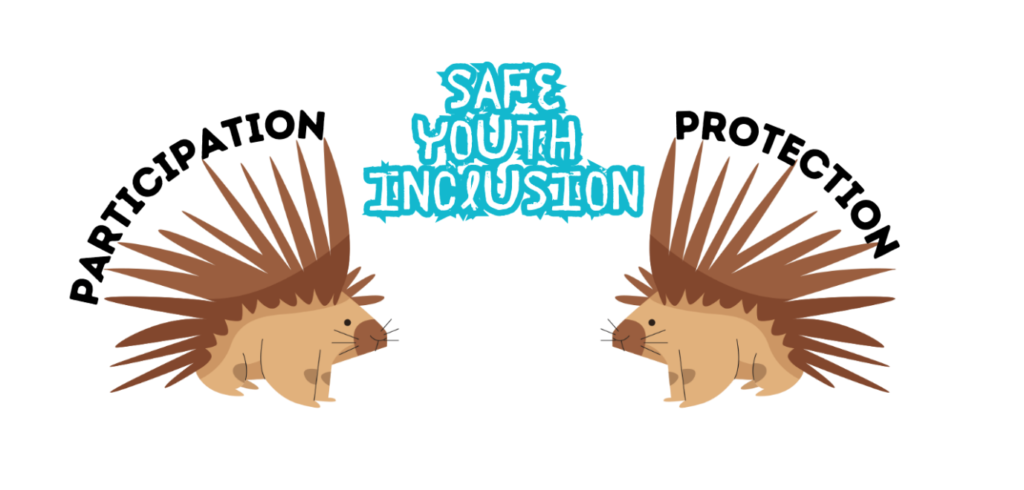
Violence and abuse by and among youth are critical public health issues. Building equitable cities requires centring the voices of marginalised young people, whose experiences provide vital insights into safer urban spaces. Supporting marginalised youth in shaping safer cities is a delicate balance, like the porcupine’s dilemma; —nurturing participation while ensuring protection. Together, we can create safer, more equitable spaces for all.