


How migration and climate crisis impact the health of migrant populations in Santiago, Chile
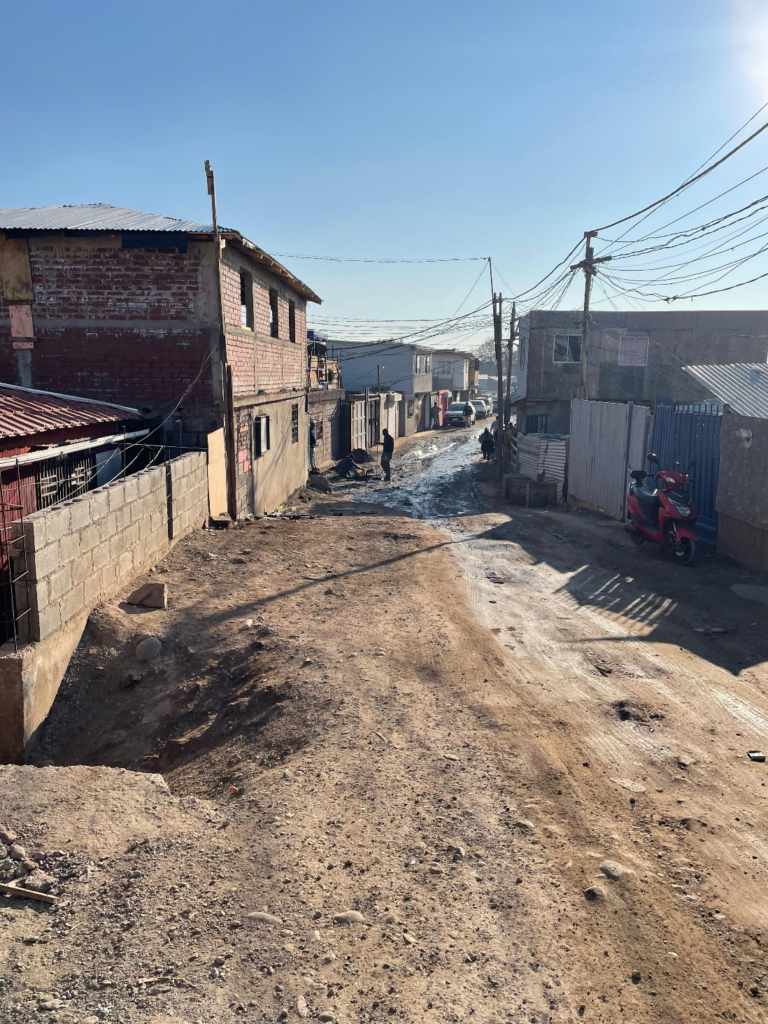
Using a qualitative approach, we examined health vulnerabilities and community strategies in response to climate crisis conditions, involving 22 residents from the Toma Nuevo Amanecer informal settlement. Primary data was collected through ethnography, a focus group, and semi-structured in-depth interviews. This approach aimed to understand how extreme weather events, such as landslides, heatwaves, floods, fires, and air pollution, impact migrant communities and their coping strategies.
A case study in developing a Health Impact Assessment from the eyes of a Community
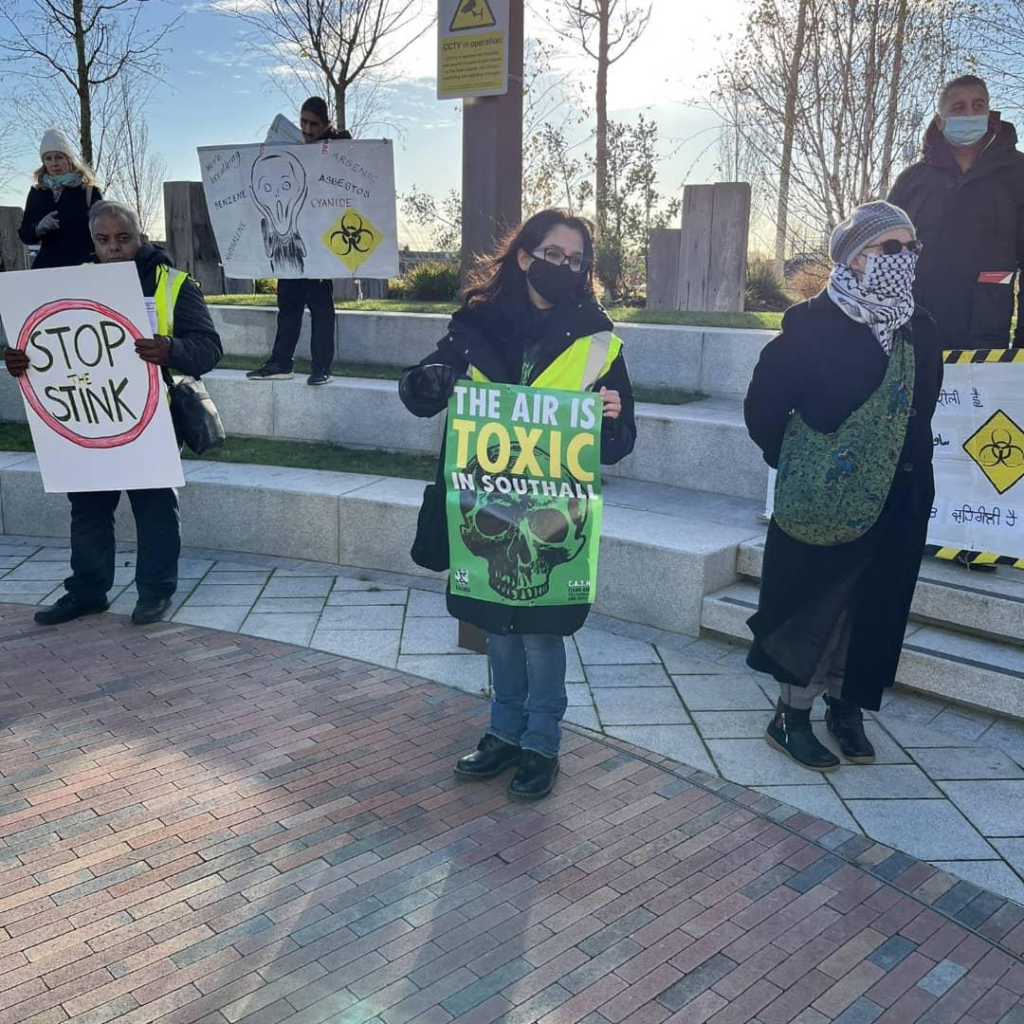
Our collaboration co-created a new methodology reimagining the design, delivery, and management of the Health Impact Assessment using a community lens of the WHOs four interlinking principles: democracy, sustainable development, equity, and ethical use of evidence. We produced an assessment showing the differences between technocratic and experience-led approaches, and shared our methodology with 10 groups from around the UK in a pilot programme who conducted their own exercises locally.
Enhancing urban micro-lungs: Creating green, health-focused corridors in densely populated Cairo
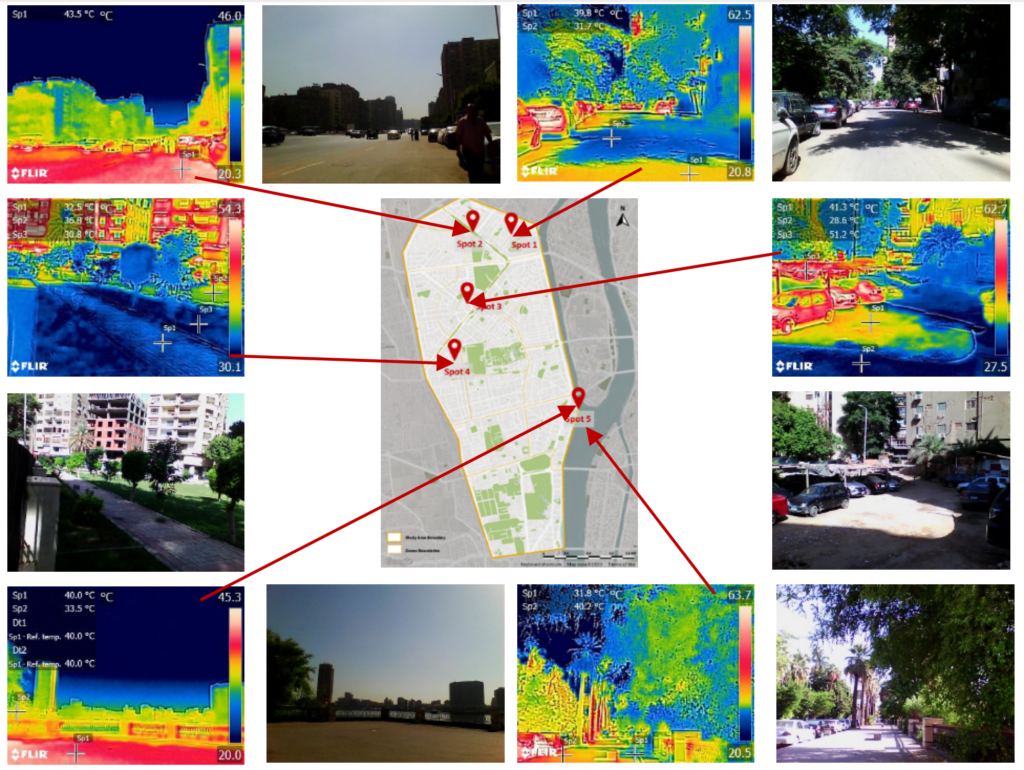
This study on Greater Cairo Region, Egypt, addresses urban challenges through “urban micro-lungs.” It explores designing green corridors responsive to local climate and space constraints, emphasizing resilient, public health-focused interventions for hyper-dense cities in the Global South.
How healthcare understands the relationship of energy and health how that impacts on how the issue can be influenced
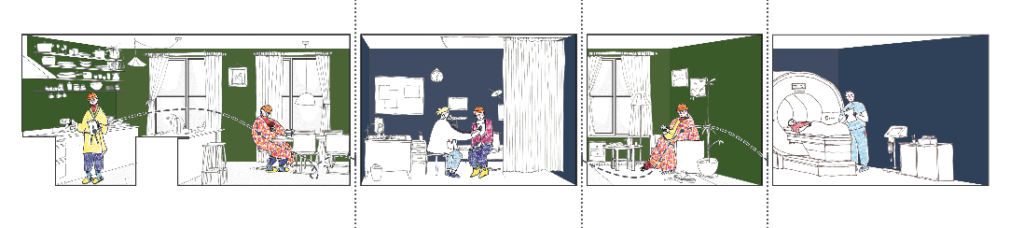
How people use energy affects their health, current approaches focus on behavioral change or interventions in the home. This strategy discounts the influence of healthcare. To integrate healthcare into this issue we need to engage with how it is already understood within healthcare and what the challenges are.
Cooler kids need greener spaces
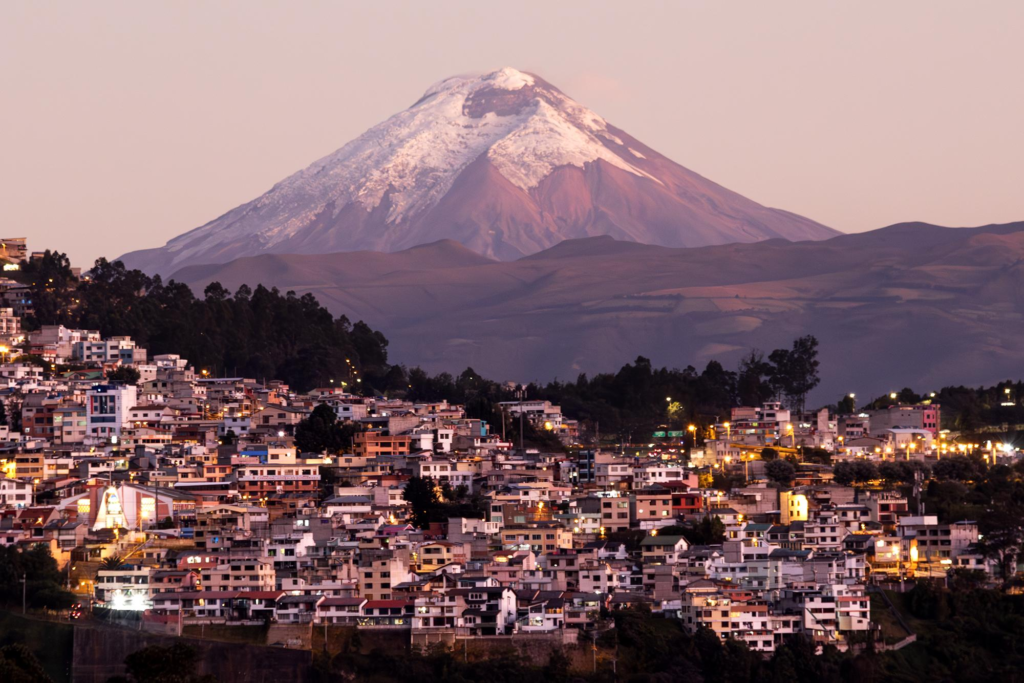
Heat exposure and greenness influence health and learning outcomes. Satellite images show schools on the Coast have strong heat stress levels and low vegetation; schools in the Andes have the largest solar radiation. Reforming school infrastructure standards is urgently needed in Ecuador. To describe environmental conditions in nine Ecuadorian schools, we analyzed three variables: temperature, vegetation, and solar radiation derived from satellite images that we downloaded from Google Earth Engine. We compared schools across three ecoregions to see differences in range and average values.
Targeted climate solutions for fairer cities: Reducing urban heat in London’s most vulnerable areas
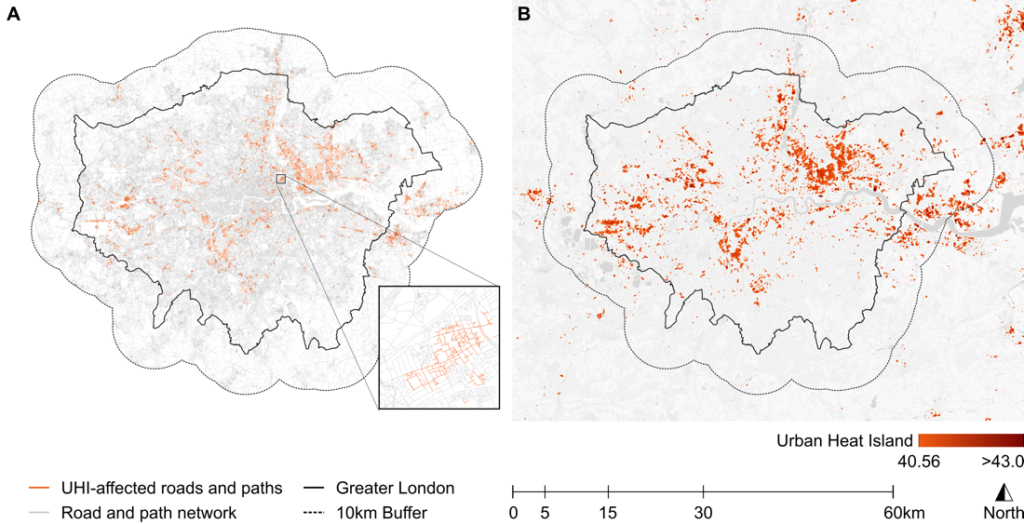
Our research highlights how some groups in London, like children, ethnic minorities, and lower-income residents, experience hotter areas due to the Urban Heat Island effect. We provide a clear approach for local governments to make climate action fairer and more effective.
The cooling night: a manifesto and manual for future city heat adaptation
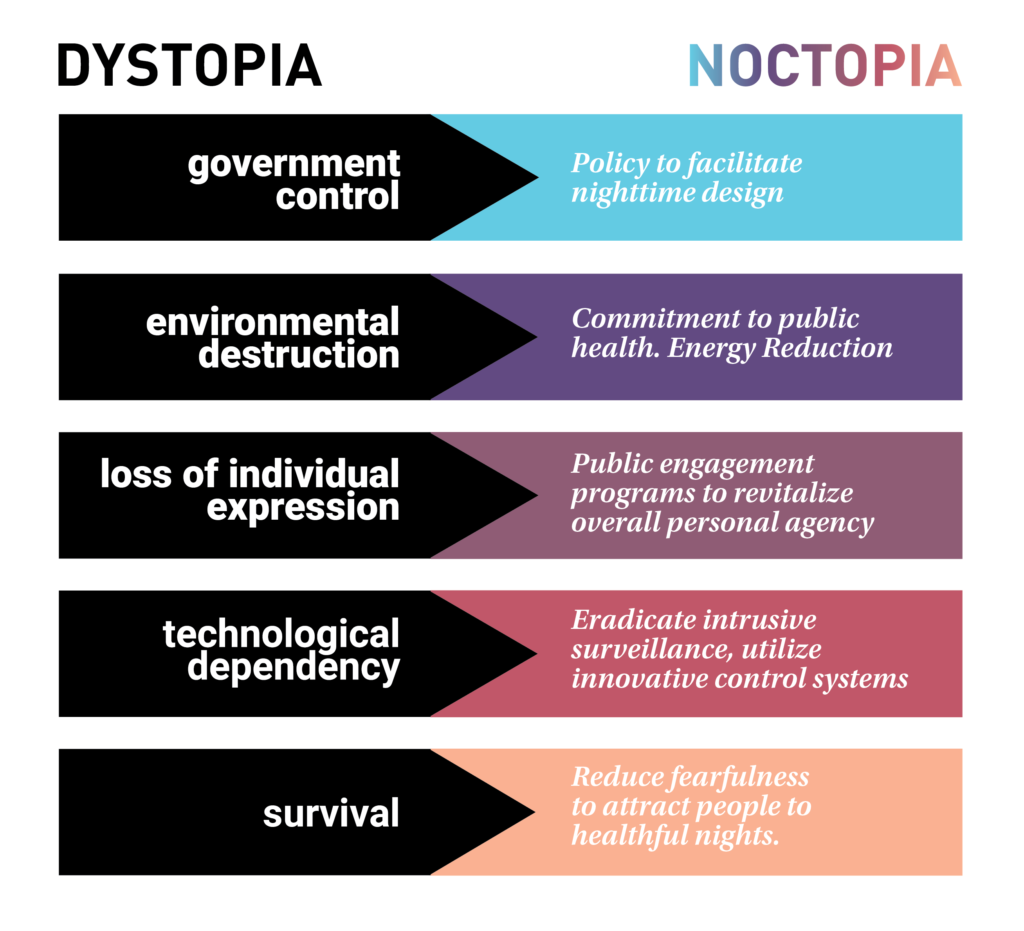
Dystopian frameworks portend the future. With climatic upheavals increasing, dystopia is now. Because of escalating urban heat and heat-related illness and death, this essay speculates a future that switches daily activities into the coolness of night: Noctopia.
Can child-friendly walkability be improved in a two-wheel traffic-saturated city like Ho Chi Minh City, Vietnam?
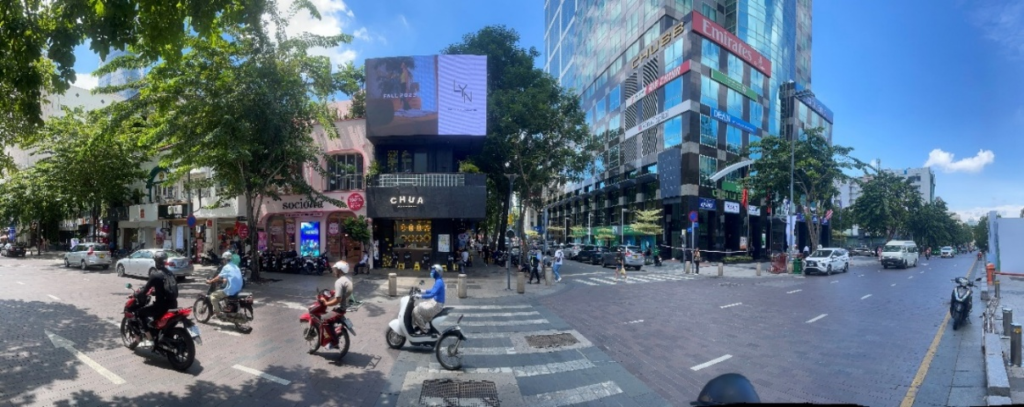
Ho Chi Minh City’s motorbike-dependent traffic, severe congestion from overloaded infrastructure, high accident rates among children and pedestrians, and a doubling of overweight and obesity rates among children over the past decade have driven a comprehensive study on children’s walkability. This study serves as a foundation to encourage more walking among children as an initial step toward addressing these critical issues.
Understanding playgrounds for inclusive and dynamic urban experiences
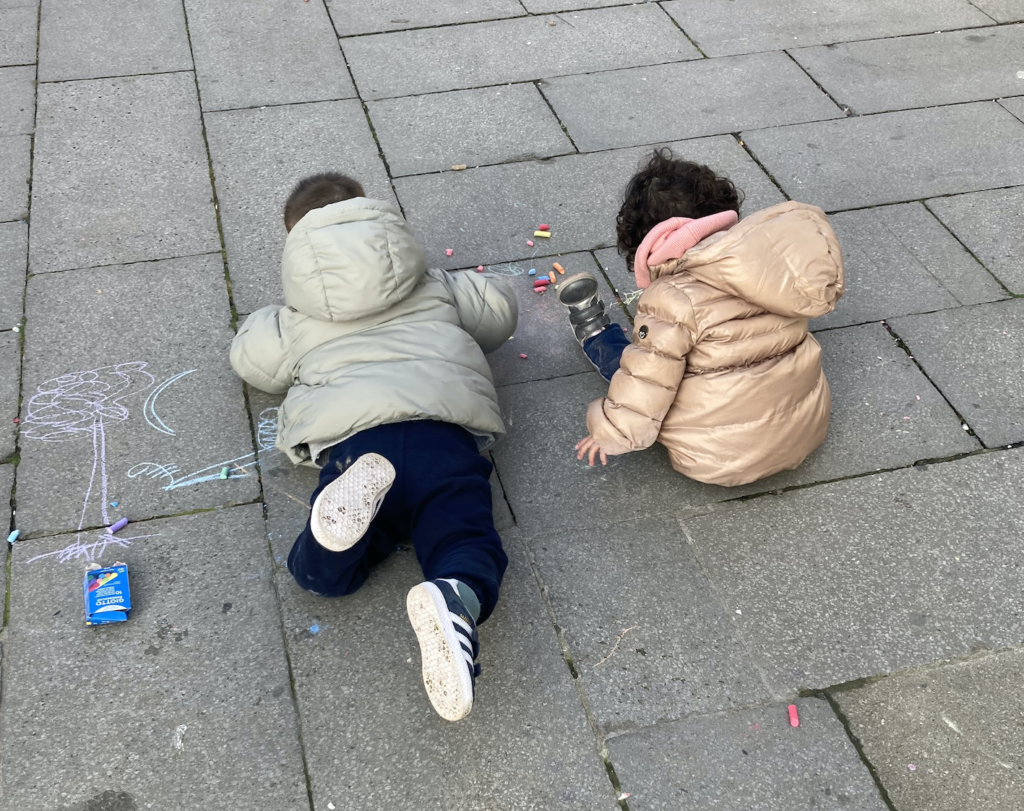
This study explores how urban playground design can either segregate or integrate children within the broader city fabric. By comparing Venice and Auckland, we illustrate how playgrounds in Venice encourage unstructured exploration, while those in Auckland limit engagement to isolated, structured zones. We propose strategies for urban design that foster inclusive and dynamic public spaces for children.
A psychology and power intervention to help decision-makers prioritise health in urban development
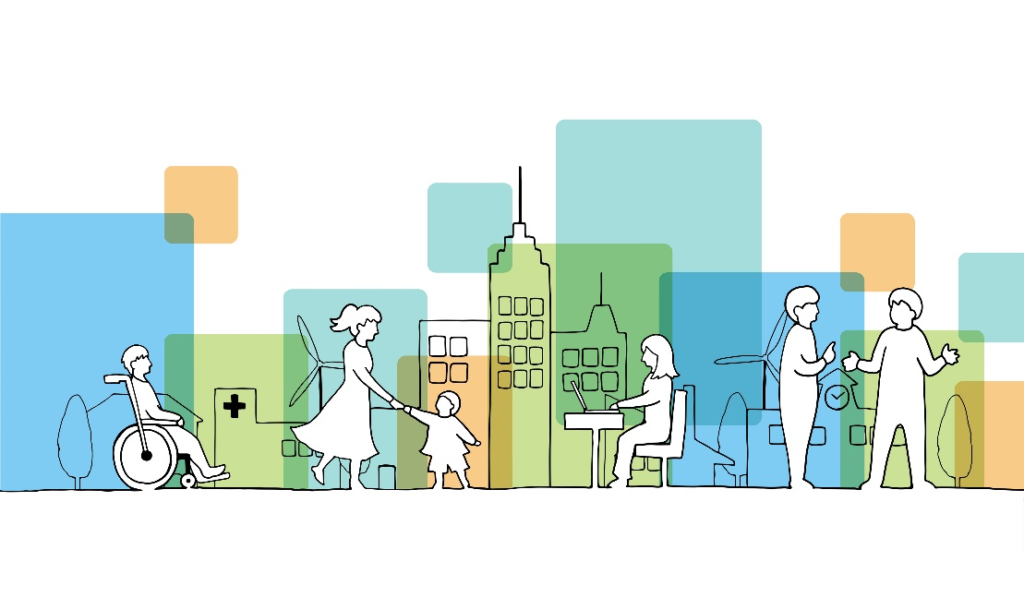
Evidence overwhelmingly suggests that the built environment has an impact on people’s health, particularly in terms of noncommunicable diseases such as asthma, diabetes and poor mental health. However, health is rarely prioritised in urban planning decisions at present, and earlier work by this research group has shown that senior decision-makers feel they lack the power to influence planning and policy decisions in order to improve the situation. This intervention area adds to the wider research programme, which is focused primarily on the delivery of quantifiable socio-environmental and health economics valuations. People make decisions not just based on economic valuation, so an understanding of why people make decisions and how those decisions can change is essential. This paper describes the methodology that will be used to develop this intervention. Findings will be published later.