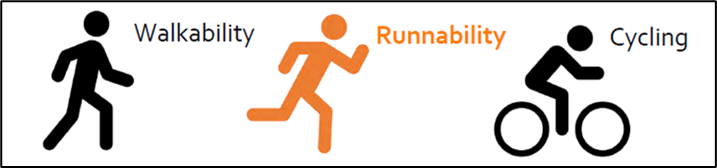
The answer is ‘runnable’ cities!
The ‘runnability of cities’ as a novel spatial planning approach can enhance healthier and more enabling environments for everyone.



The ‘runnability of cities’ as a novel spatial planning approach can enhance healthier and more enabling environments for everyone.
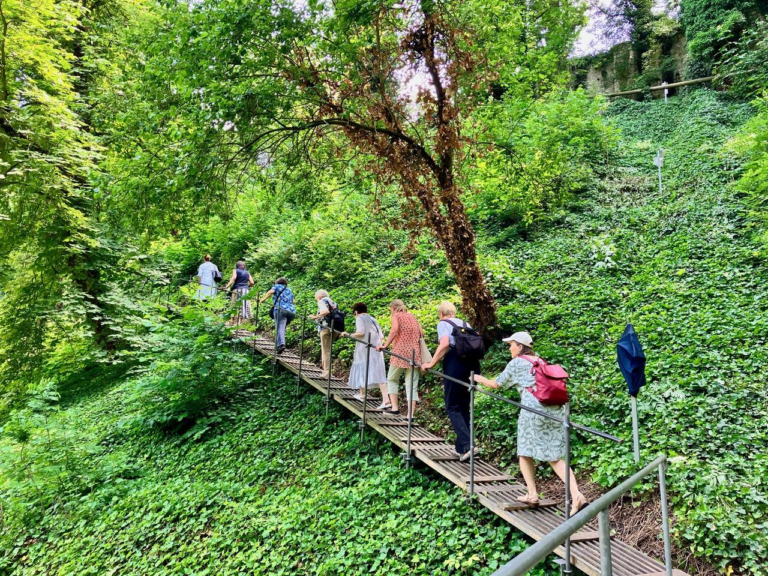
Reducing loneliness through nature-based social prescribing: Testing innovations in six cities worldwide and generating evidence to support community-based solutions.
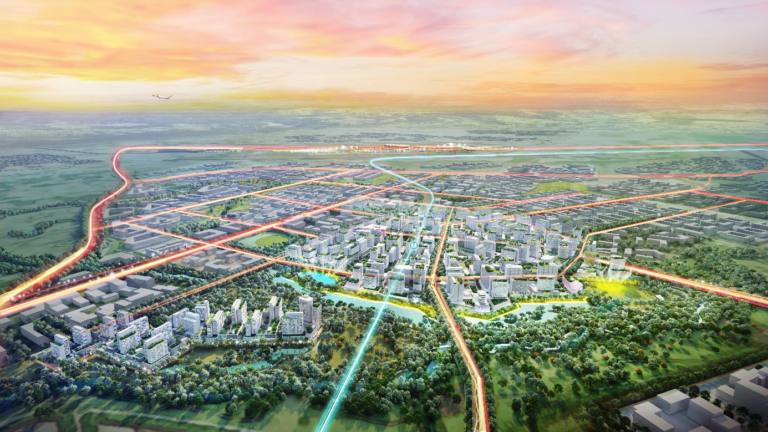
Seven key urban health policy ideas were found in the planning of Sydney’s Western Parkland City that draw upon different ontological perspectives. This case study prompts policy actors and researchers to reflect on their own assumptions, and others’ underlying assumptions to better understand where and how collaborations should occur.
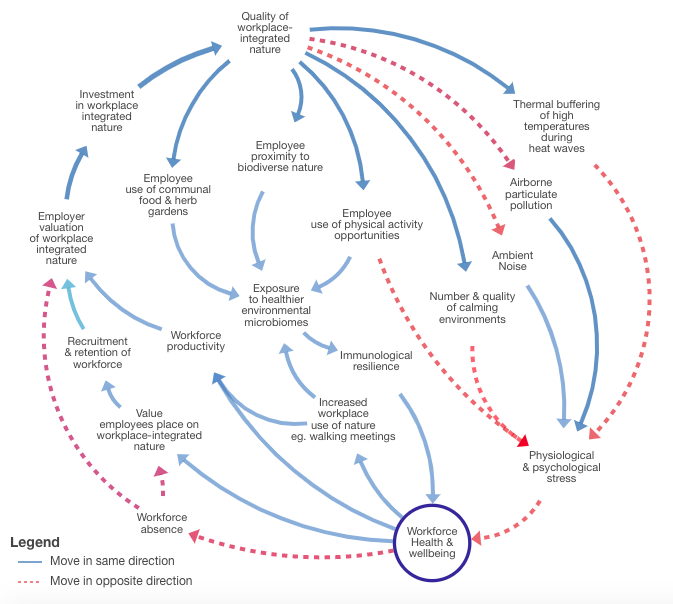
The future of workplaces now includes ‘remote’ for many, which has many health benefits. The future of ‘the office’ needs to evolve too and bringing more nature into the workplace is a healthy place to start.
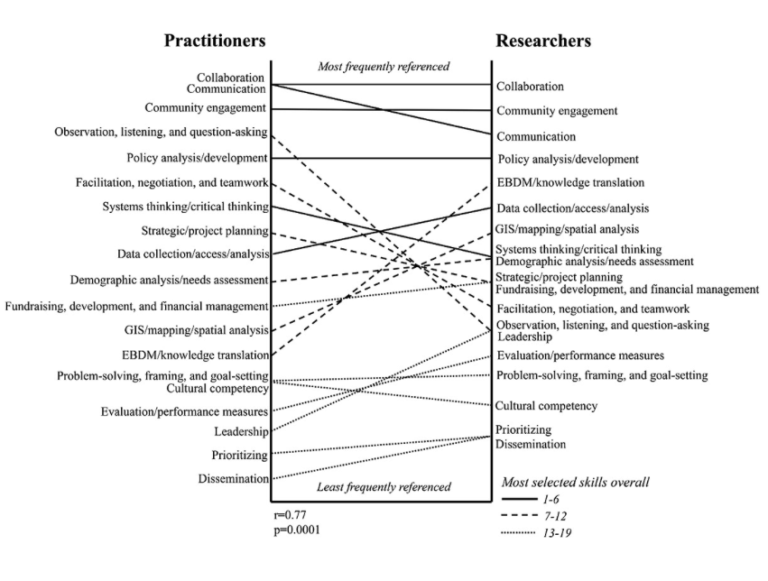
How do we develop liveable cities? Researchers in St. Louis surveyed multiple disciplines to see what skills we need to make future places healthy, equitable,
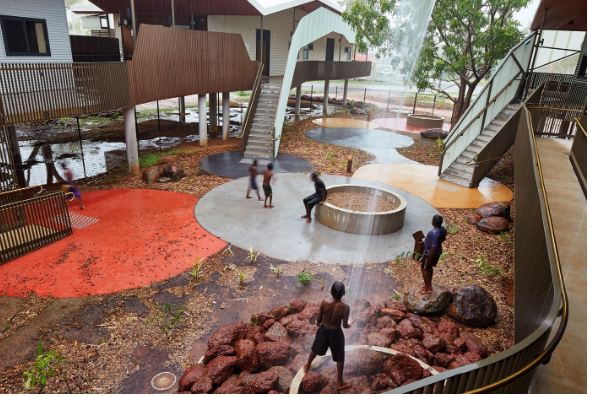
Rain waterfalls, patterns of dappled light, and visual connections with nature. The Walumba Elders Centre (Warmun Community, Western Australia, 2014). Photographer Peter Bennetts
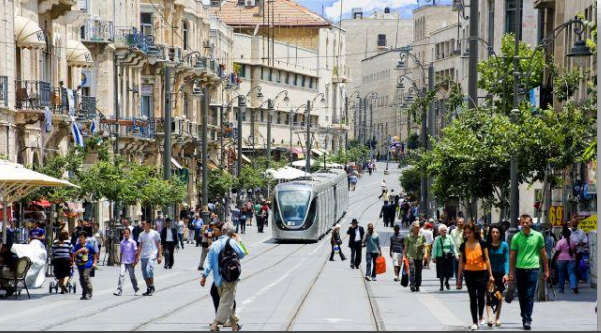
To improve health and wellbeing in cities, municipality employees, urban planners, architects, politicians, citizens, NGOs and funders can benefit by using the collective impact model for working effectively together.
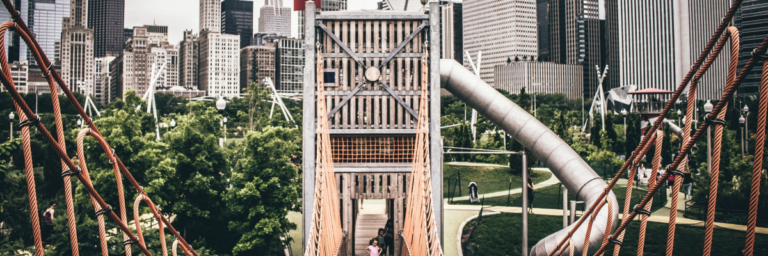
This paper shows design tools and views of experienced practitioners in active urban design against a theoretical backdrop. It describes the creation process, including opportunities and inspiration to further improve the practice.

The meaning, measurement, causes and consequences of social connectedness in cities. A useful primer and pragmatic framework for healthy cities, urban futures and public health.
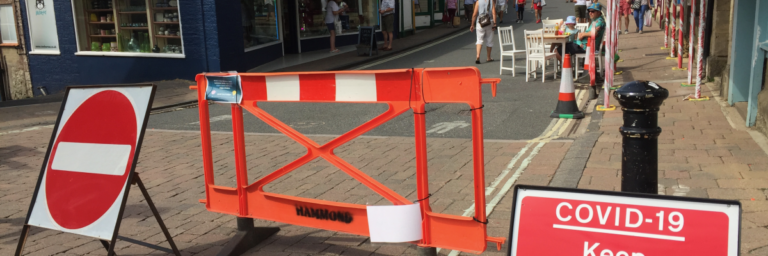
How will COVID19 change our relationship with public space and the future of city design? We outline the key ways in which city planning and the design of public space may change as a result of the COVID19 pandemic.