Informing the design of public greenspaces to optimise wellbeing outcomes for the general population

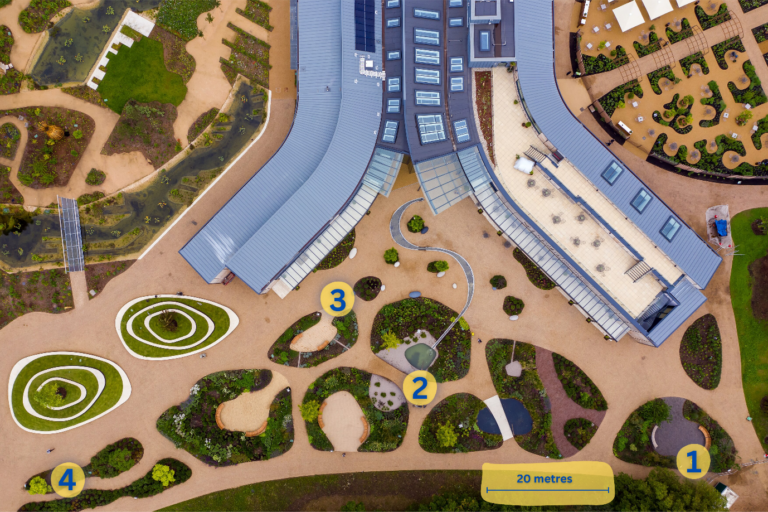
Our findings highlight how different features including sounds of flowing water, open seating areas, far-reaching views, and a variety of planting (colour, height, texture, scents, attracting wildlife) within a garden influence emotional reactions and perceived restoration. These findings help build a wider picture of the lived experiences of garden users and how their wellbeing may be influenced by specific garden features. We intend our findings to support design guidelines of public greenspaces concerning human wellbeing.
Read More »

The benefits of green infrastructure on campus for student and visitor health

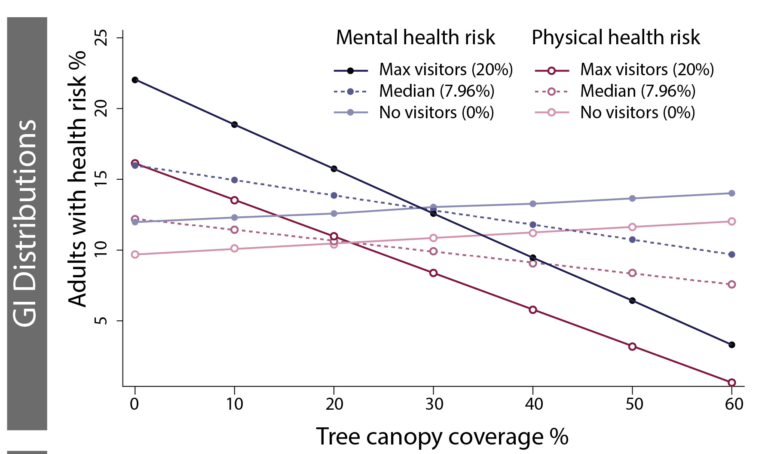
For city planners and policymakers, increasing the tree canopy coverage stands out as the most promising green infrastructure planning/management strategies to contribute to health of campus communities/users. The tree canopy data are also more widely available than most other green infrastructure variables, making its use for the purpose of monitoring, intervention, and assessment feasible for various stakeholders.

Read More »

Urban biodiversity helps with mental well-being, but we need to take more notice of it

As urbanisation continues globally, the interest in urban green space as a provider/supporter of mental well-being is still growing. The question has largely moved on from “Will a walk in the park help with mental well-being?” to “Will a walk in any park do?” Previous research suggested that urban green spaces with rich fauna and flora (i.e. rich biodiversity) improved mental well-being. However, the experimental evidence remains limited.

Read More »

Heightened feelings of exclusion contribute to young people’s growing detachment from urban green spaces

Our research studies how 16-25-year-old Londoners’ perceptions of parks management practices affect their use of these public spaces. Our aim was to address a knowledge deficit regarding the role of spending time in green space and young people’s mental wellbeing. For policymakers and practitioners aiming to manage parks as health infrastructure, this information is essential, given this cohort is at a critical developmental stage for building mental health resilience.

Read More »

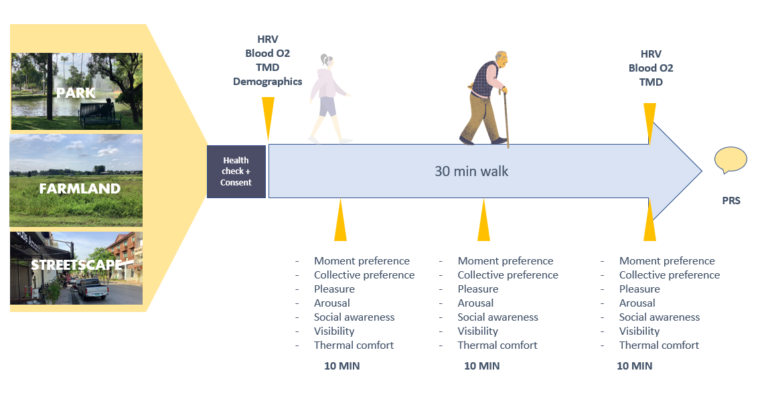
Where to walk when we are old: experiments in Taiwan and the USA

Our study highlights the importance of green spaces in urban areas for enhancing the well-being of older adults. It reveals significant benefits of nature walks over urban street walks and underscores the need for gender-sensitive urban design.
• Green spaces improve mood and perceived restorativeness.
• Women benefit more from nature walks, especially in urban streets.
• People from different cultures may benefit from nearby nature slightly differently.

Read More »

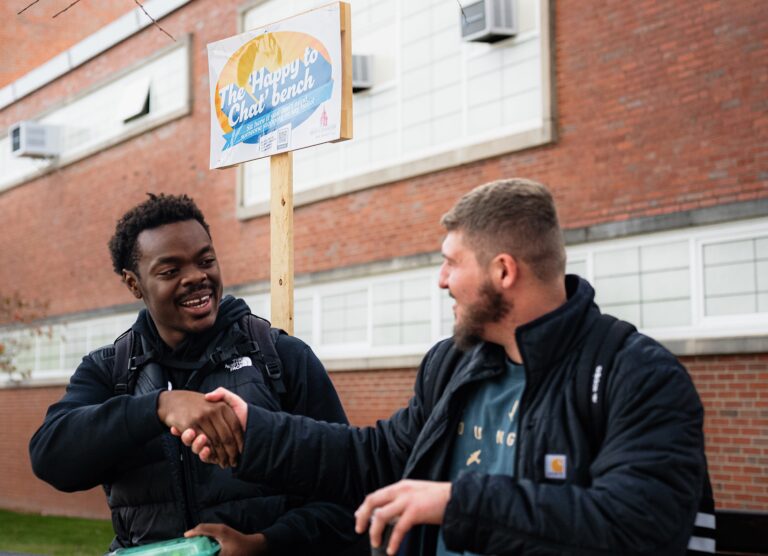
Benches for connection: Simple urban design to fight loneliness

My study shows that simple ‘Happy to Chat’ benches successfully encourage spontaneous conversations, leading to positive feelings and new social connections. I found these benches can:
• Create welcoming spaces for casual and meaningful interactions.
• Promote emotional well-being and social bonding.
• Act as a subtle ‘social nudge’ to encourage interaction.

Read More »

Exploring the restorative and social value of urban running environments as third places, Manila, The Philippines

We asked runners across Metro Manila to rate their usual running spots, not just based on convenience or safety, but on how these places make them feel. Do they offer a sense of community? Do they reduce stress? Can people connect with others there, even informally? These questions are rooted in the idea of “third places”, spaces that are neither home nor work but still feel like a meaningful part of daily life.

Read More »

Healing landscapes: The role of urban greenery in rebuilding cities

In the aftermath of conflict, cities prioritize reconstruction, but green spaces often get left behind. This study delves into how residents of post-conflict cities engage with urban parks, providing valuable knowledge for decision-makers to unlock the full potential of these green havens for social cohesion and well-being.

Read More »