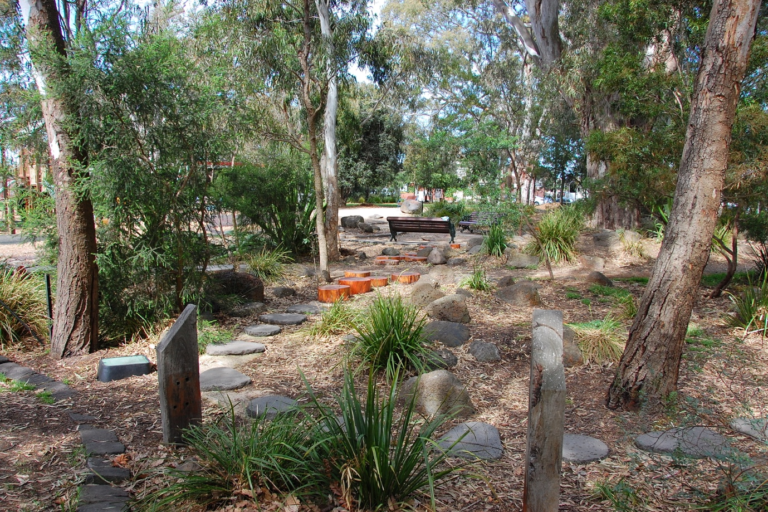

Enhancing green infrastructure within slums can promote residents’ well-being

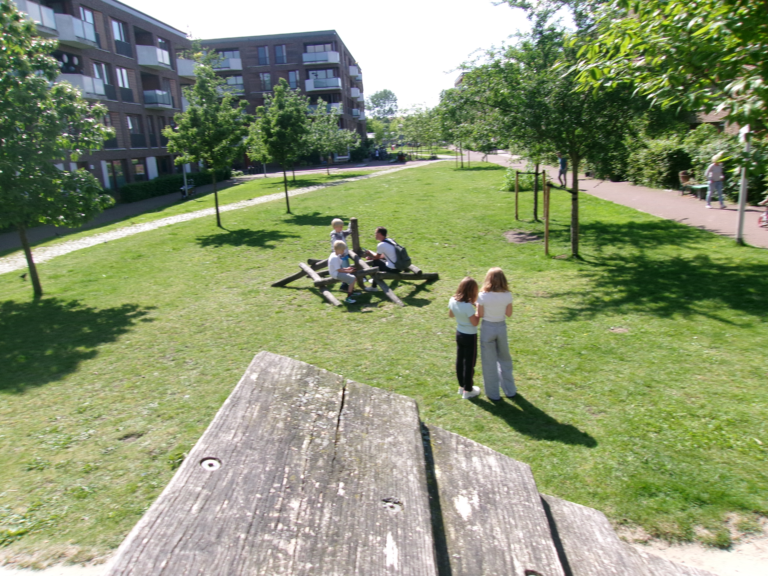
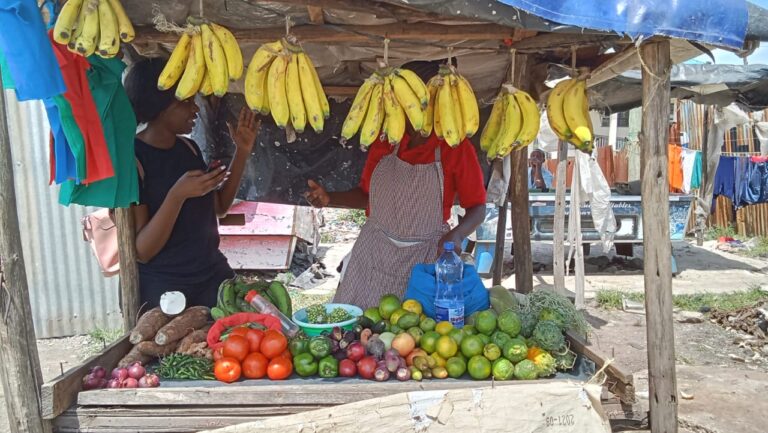
Green infrastructure has been conceived as something for the well-off in cities of developed countries. How green infrastructure contributes to quality of life and wellbeing in slums and informal settlements is largely unknown. A survey of the residents (sample size = 455) within a slum community (Ikorodu-Ajegunle) in Lagos, Nigeria. The survey was preceded by stakeholder forum where actors from health, urbanism, environmental sectors discussed the links and made inputs to the research instrument used for data collection.

Read More »

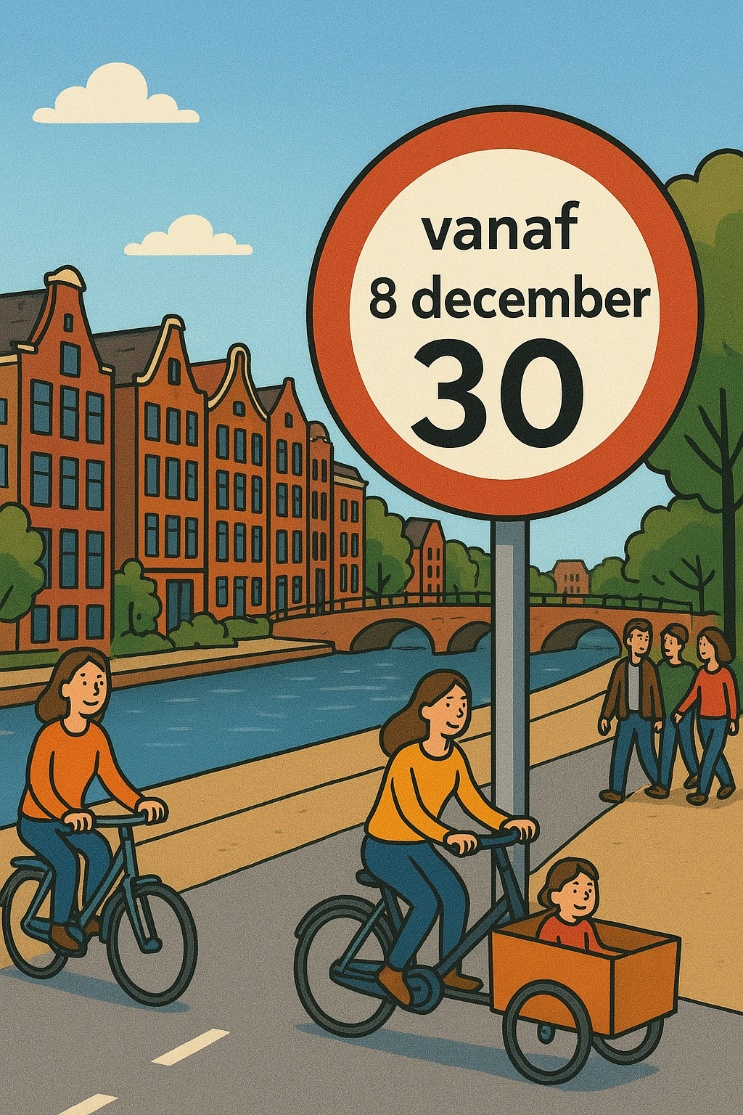
Natural experiments in urban air quality in Rwanda

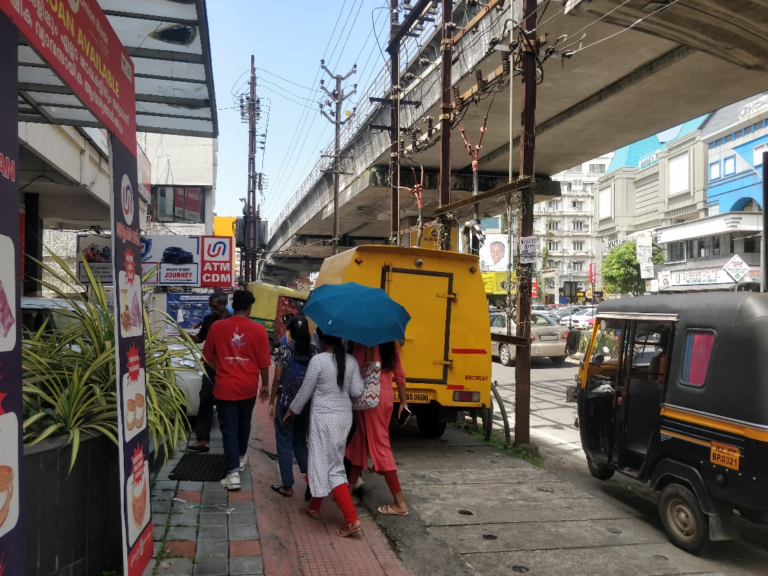
To understand the current drivers of air pollution, we used two natural experiments (Car-Free Day and COVID-19 Lockdown) to examine their impact on air pollution using particulate matter air pollution data in Kigali City. The health impact of non-motorized transport events in Kigali, known as ‘Car-Free Days,’ goes beyond just mass physical exercise. Importantly, it has reduced air pollution by 15%, this is expected to save more than 200 disability-adjusted life years annually.

Read More »

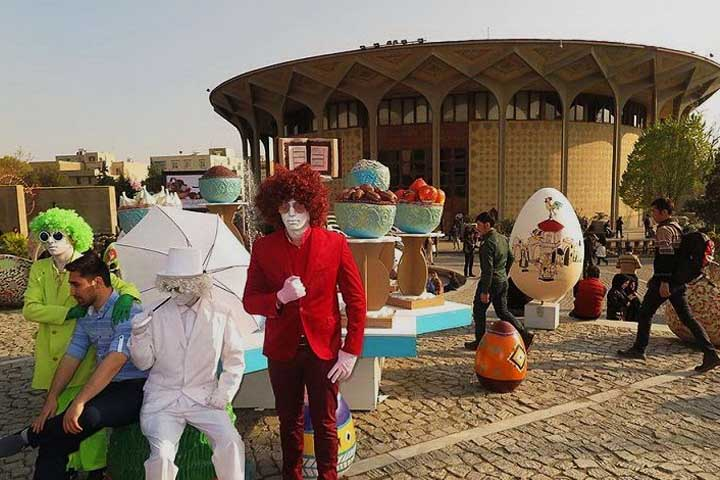
Want diversity? Collaborate and plan with members from equity-deserving groups 

People from equity-deserving groups have unique needs, barriers, and priorities that need to be addressed in order to create inclusive and accessible active transportation. This paper highlights some of the complexities of planning for different cultures, languages, ages, and abilities. Recommendations are made to support municipalities with creating better active transportation infrastructure and policies.

Read More »

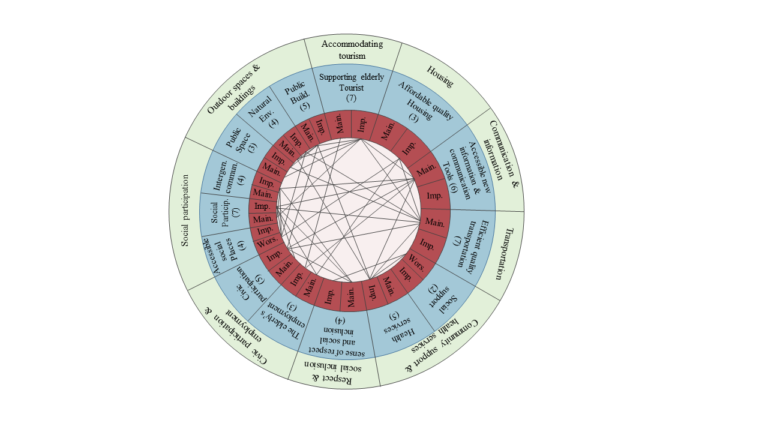
Urban design as an antidote to loneliness?

Recognizing the challenges of social isolation and loneliness among the aging population; research attention is turning to explore the social dimension of urban design and questions of how the built environment can support social interaction. In the rapidly evolving context of transit-based urbanism, urban spaces not only enhance the city’s overall livability but also offer older adults increased accessibility and interaction opportunities beyond their immediate residential neighbourhood, potentially alleviating feelings of social isolation and loneliness.

Read More »

How caste and neighbourhood environment shape health inequality in India’s Tier-II cities

Caste and environment intersect to shape urban health inequities in Indian cities. Based on fieldwork in Aligarh, this study uncovers how lower-caste households are disproportionately exposed to environmental hazards and denied equitable healthcare. I conducted a mixed-methods study of 1,650 households in Aligarh to examine the relationship between caste, environmental conditions, and health. Using correlation analysis and spatial mapping, I identified patterns of environmental risk and unequal access to healthcare services. The findings urge inclusive urban health planning that prioritizes caste-aware environmental justice.

Read More »