City Know-hows
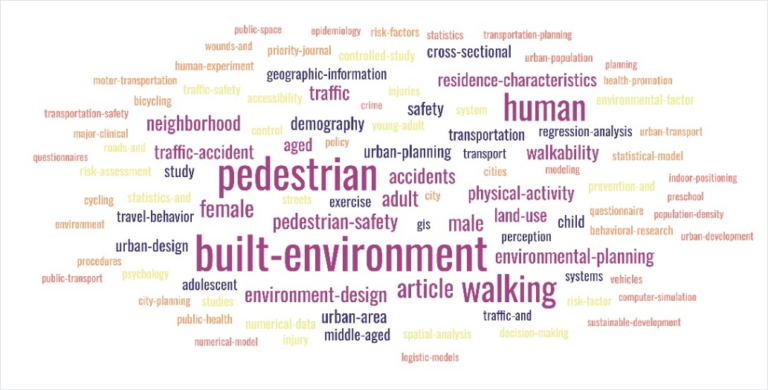
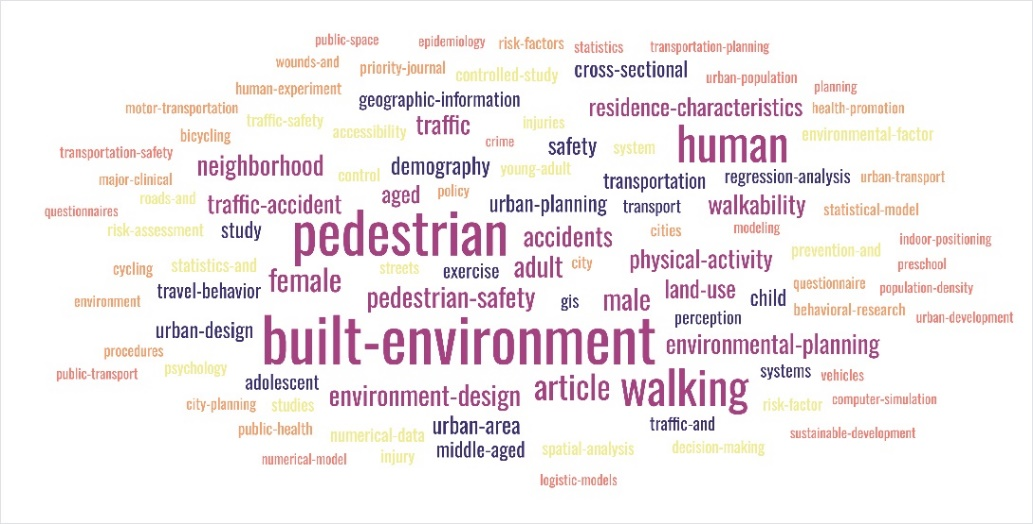
Our study identified predominant research themes, influential publications and authors, and emerging trends in pedestrian-built environment research. A database was used to analyse publications from 1975 to 2024, identifying research gaps and charting future research directions.
Share
Target audience
Industry experts, Policymakers, and Urban Planners.
The problem
There is a lack of extensive research in the field of bibliometric studies, with few comprehensive studies covering the wide range of existing literature. Previous research has mostly focused on particular topics, leading to limited perspectives that do not offer a complete understanding of the field. Moreover, a lot of these studies are old, without current significance and suitability for present academic discussions.
What we did and why
In this research, we offer an in-depth overview of the subject, carefully analyzing recent developments and possible future paths. We explore the top nations leading research in this field, providing a glimpse into their distinct strategies and techniques. By examining current research directions, our goal is to shed light on important areas of interest that could impact future investigations and advancements in the field.
Our study’s contribution
Our research studied the trends and their link with major events and policies related to pedestrians or modes of transportation. By encompassing a wide array of topics, including safety, comfort, socio-demographic factors, and sustainability, we shed light on the current practices, software tools, prevalent themes, and ongoing developments in the field.
Impacts for city policy and practice
Industry experts can use the information on the ‘effectiveness of recent trends’ to inform their designs and select the most appropriate solution for a given location. Urban planners can use the findings to inform their decisions on how to use the recent techniques in the most effective and best possible way. By incorporating this information into their decision-making processes, these professionals can help ensure the long-term sustainability and resilience of the urban environment.
Further information
Full research article:
Bridging the gap: a bibliometric examination of the interdependency between pedestrian activity and built environment by Pooja Kumari and Rabi Narayan Mohanty
Related posts

Integrating green spaces into urban planning is crucial for public health. This framework guides cities in evaluating and optimizing their green space strategies to promote health and sustainability, aligning with WHO’s Healthy Cities initiative.
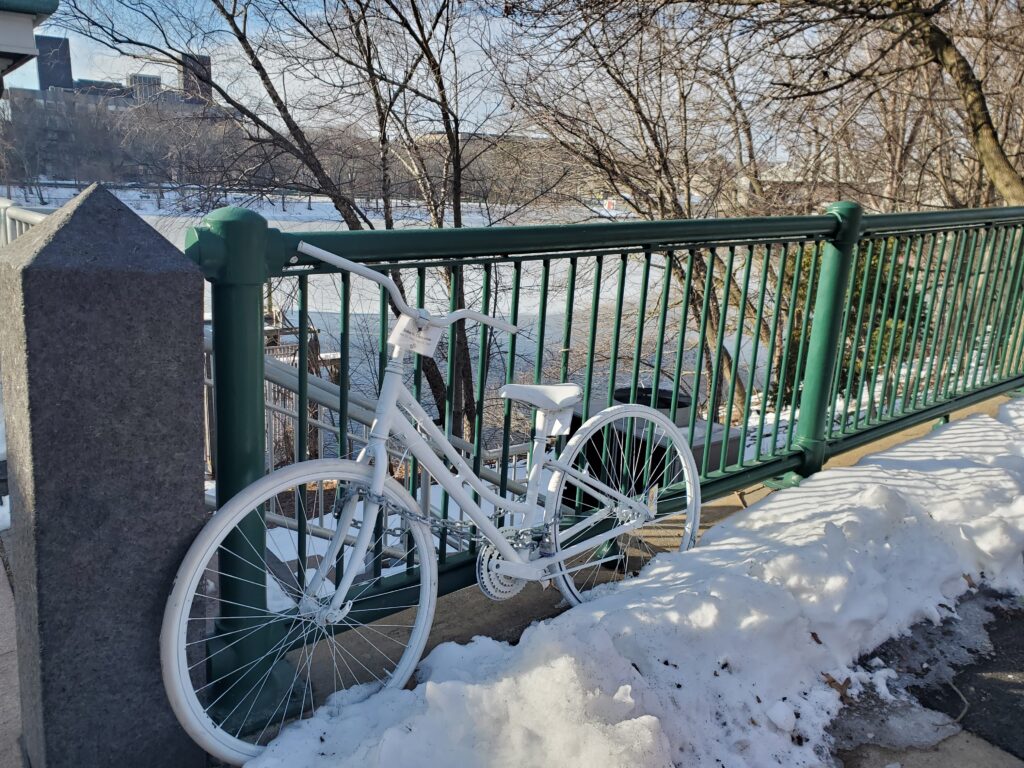
The high risk of death and disability from being struck by a car is unevenly distributed geographically and socially. Our analytics reveal a troubling pattern in that people from Black and Latino neighbourhoods facean especially high risk of crashes, both near and far from home.
Vision Zero leaders in the hundreds of participating cities across the world in planning departments, nonprofits, and community groups need to look at our approach.
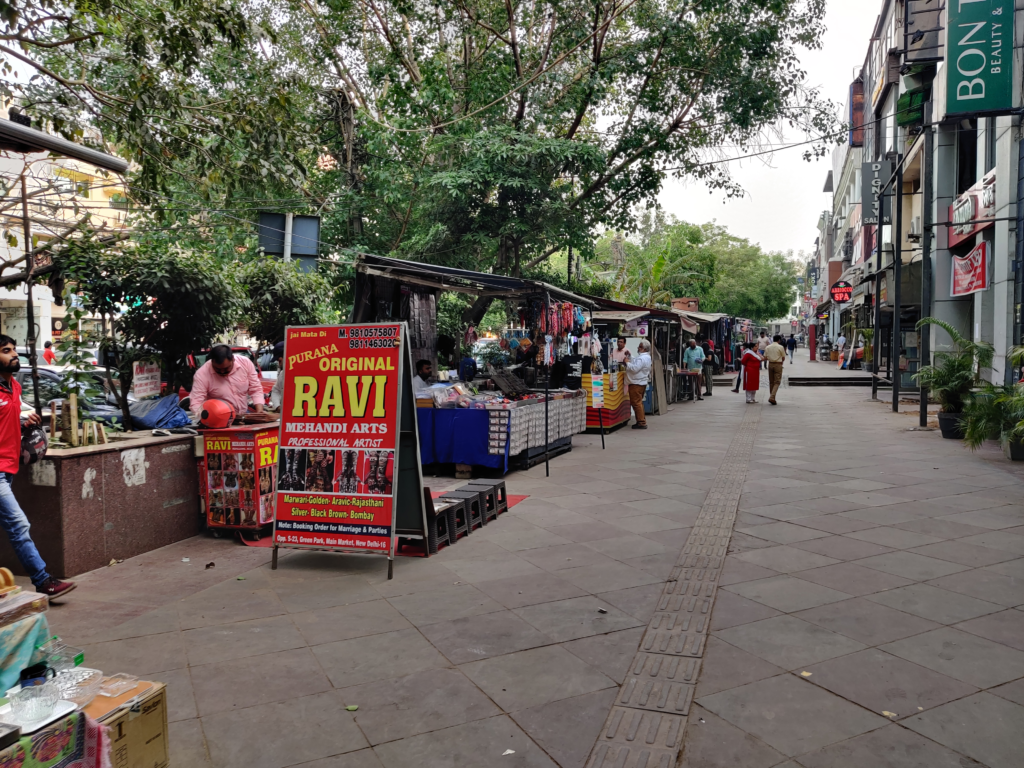
We ask whether streetscape design can be used to alleviate anxiety. Let’s understand how we can alleviate anxiety of the people on streets through their daily experiences while walking.