City Know-hows
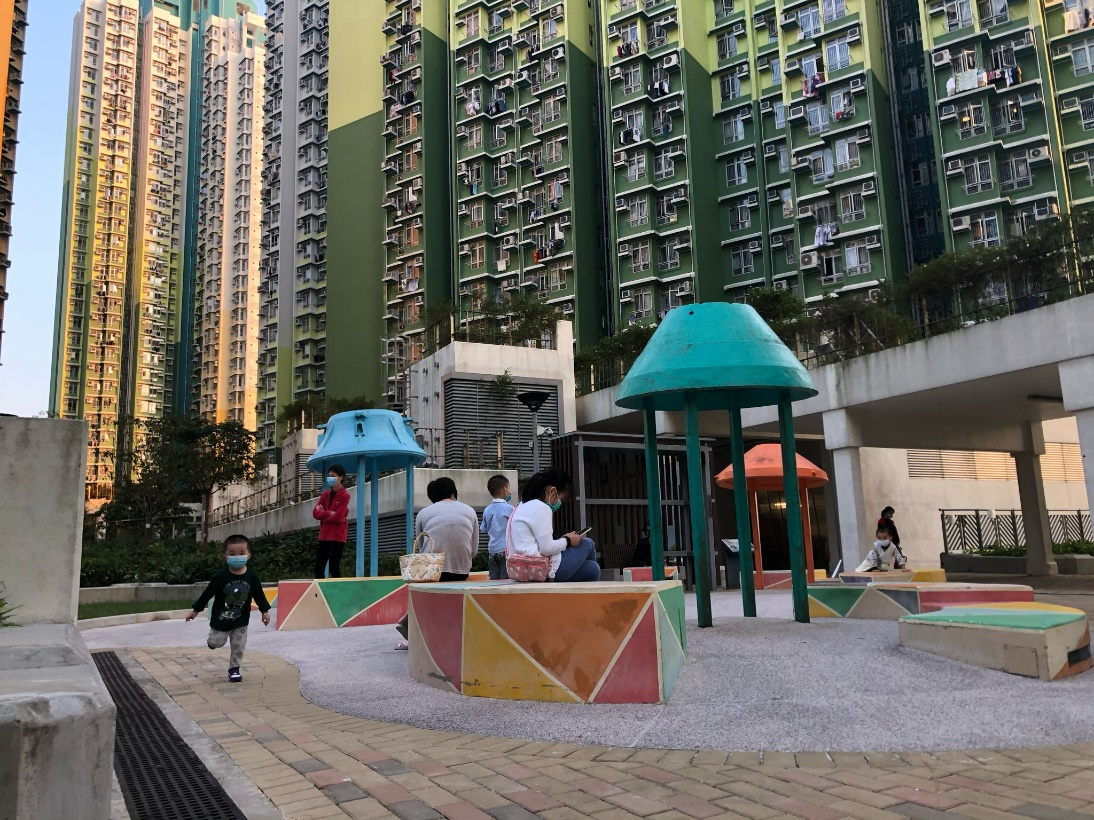
High-density urban environments significantly affect children’s play and well-being. This study provides current insights and explores potential solutions for enhancing play spaces in compact cities, aiming to promote a healthier and more sustainable urban future for children.
Share
Target audience
Urban planners, city officers, public health professionals and community organizations
The problem
High-density urban environments often lack adequate and well-connected play spaces for children. This deficiency negatively impacts children’s physical and cognitive development, well-being, and overall quality of life. Despite the environmental and economic benefits of urban densification, the scarcity of accessible and high-quality play areas poses significant challenges for city planners and policymakers aiming to create child-friendly urban spaces.
What we did and why
We conducted a systematic review to gather insights on the impact of high-density urban environments on children’s play. Using standard tools such as PRISMA and the Bibliometrix R-Tool, we analysed existing literature to identify trends, key insights, and potential relationships between children’s play experiences and urban environment characteristics. Our goal was to synthesize current knowledge and provide guidance for improving play spaces in compact cities, ultimately contributing to more sustainable and liveable urban environments for children.
Our study’s contribution
This study offers an in-depth understanding of how high-density urban settings affect children’s play.
Impacts for city policy and practice
Our findings have important implications for city policy and urban planning practices.
Further information
Full research article:
[OPEN ACCESS] The impact of high-density urban environments on children’s play, a systematic review of current insights by Pengyu Lu & Jeroen van Ameijde
Related posts

This study investigates how severe winter conditions affect the outdoor activity of older adults in Erzurum, Türkiye—a city known for its long and harsh winters. Based on a quantitative survey with individuals aged 65 and above, a binomial logistic regression model was used to identify key predictors of outdoor activity avoidance.

We propose a replicable spatial framework applied at the small geographic scale in Pisa, Italy, to address a methodological gap. We find that both CVI and density predict excess mortality, providing an essential tool for health equity planning.

Stronger collaboration with inhabitants could ensure more attention on health in spatial plan development.