

City Know-hows
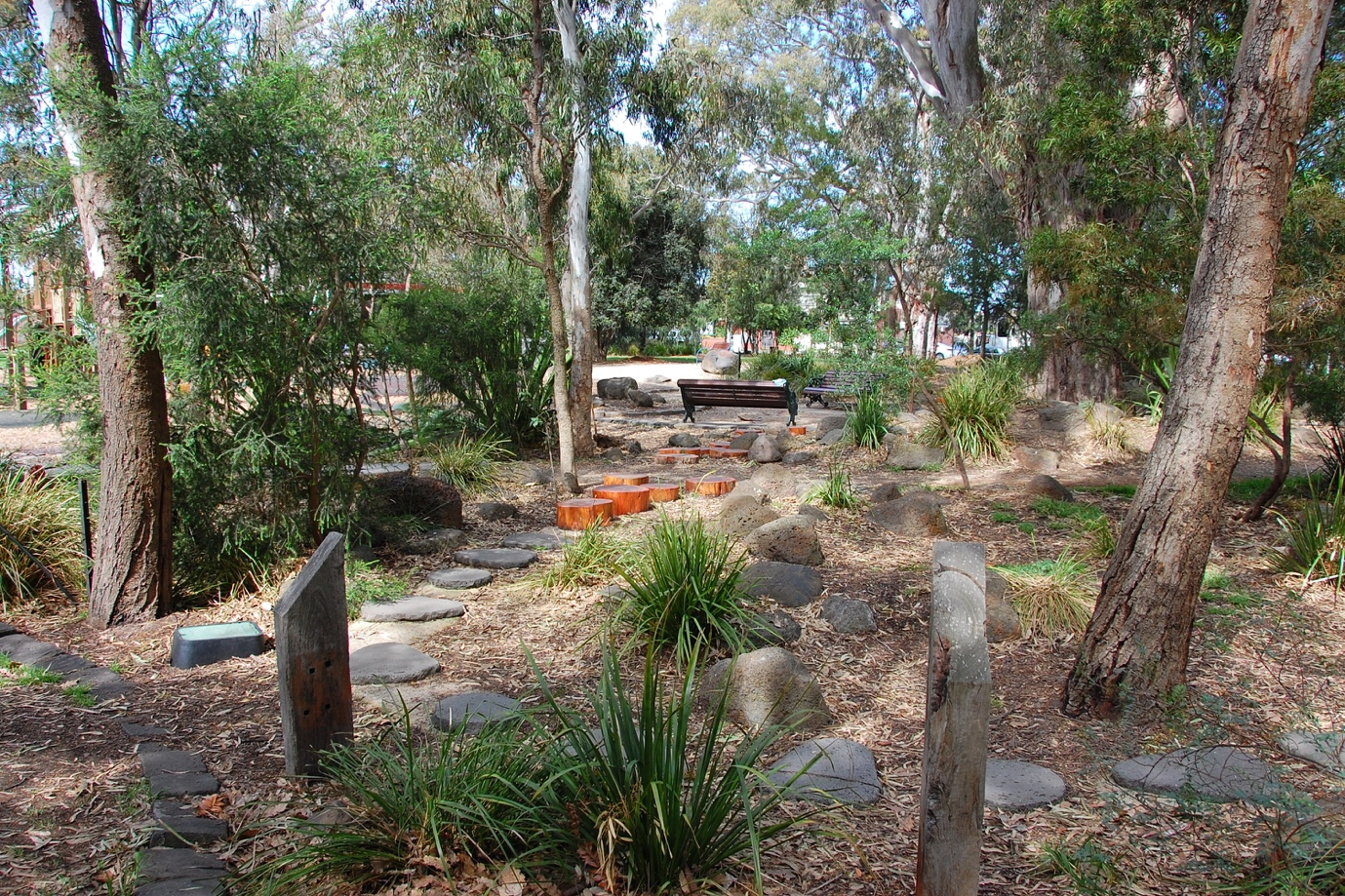
Urban parks are valuable mental health resources, yet the mental wellbeing needs of adolescents are often overlooked. I show that by examining planners’ perspectives on why this gap exists helps to illuminate concrete actions and strategies to ensure parks can be healthier and more accessible for all.
Share
Target audience
Urban planners, urban designers, landscape architects, public health professionals, urban researchers.
The problem
Rates of adolescent mental ill-health have risen sharply in recent decades. Urban parks can deliver wellbeing outcomes through stress recovery, relaxation and social cohesion. They present a salutogenic, or health-giving, opportunity for this cohort. For parks to function effectively as mental health resources, planners and designers need to be able to understand how to prioritise planning for mental health needs and ensure these spaces are safe, welcoming and accessible to all.
What we did and why
I surveyed local government planners, urban designers and landscape architects, inviting them to rate the extent to which parks catered for older adolescents’ wellbeing needs, and whether they planned these spaces to meet these needs. I conducted interviews with planners to further explore their perspectives, especially regarding enabling and constraining factors. I analysed local government open-space strategies to inform an assessment of whether planning for adolescent mental wellbeing was codified in policy.
Our study’s contribution
I reveal that parks in Melbourne do not cater well for adolescents’ mental wellbeing needs, especially for girls and young women. I found that planners recognised the importance of adolescent mental wellbeing; however rarely prioritise it when planning parks because of outdated practices, restrictive standards and policies, and conflicts with operational drivers of park design and management. I include suggestions for how practitioners can immediately address the adolescent mental wellbeing gap in urban parks.
Impacts for city policy and practice
I provide clear and structured guidance to planners and other practitioners to better address the mental wellbeing needs of adolescents in park design. This includes:
• Implementing design choices that promote inclusion.
• Advocating for greater priority and funding for youth engagement.
• Challenging existing paradigms that are no longer fit for purpose.
• Ensuring adolescent mental wellbeing needs are codified into policy.
• Prioritising skills development and research to build capacity.
Further information
Full research article:
Related posts

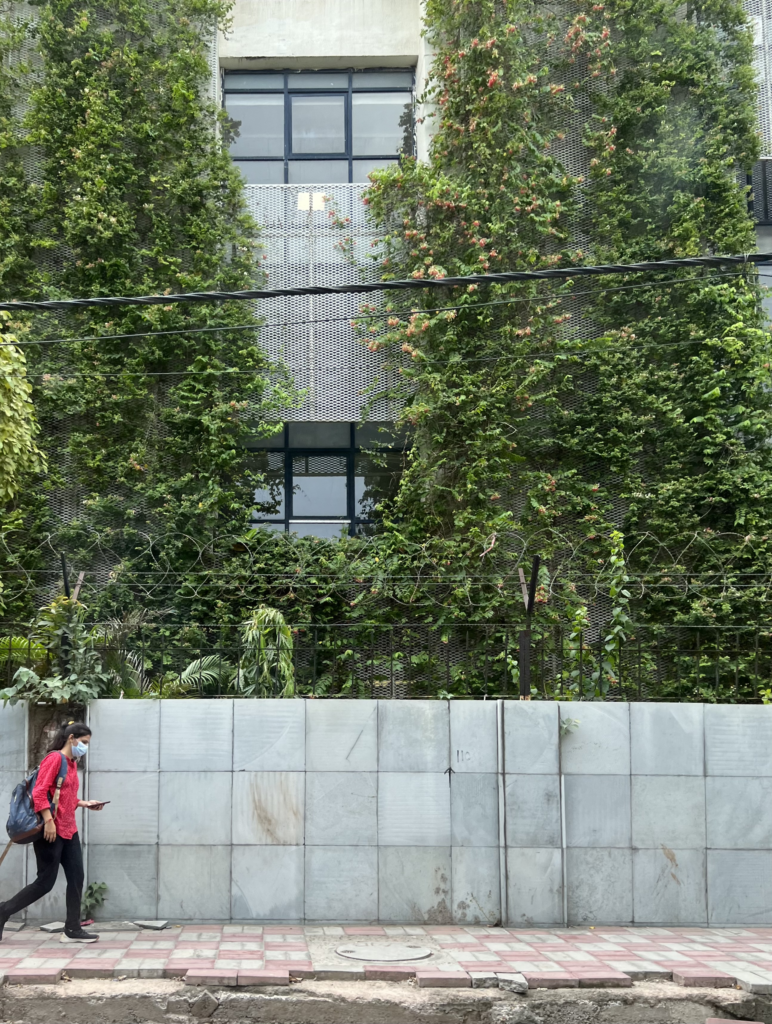
Our study provides valuable insights by examining the obstacles and viewpoints regarding vertical greenery systems in Delhi. It highlights the technical challenges as significant adoption barriers among built environment professionals. Emphasizing the pivotal role of vertical greenery in climate change mitigation, this research advocates for further scholarly investigation and evidence-based policy formulation. This deepened understanding supports the seamless integration of vertical greenery systems into urban landscapes, fostering sustainability and resilience.
Gentrification exacerbates financial insecurity for economically vulnerable residents, leading to increased stress.
Public health authorities encourage outdoor activity while physical distancing during the pandemic, but could the built form of cities and neighbourhoods support outdoor activity during COVID-19?