Improving neighbourhood quality of life through effective community consultation
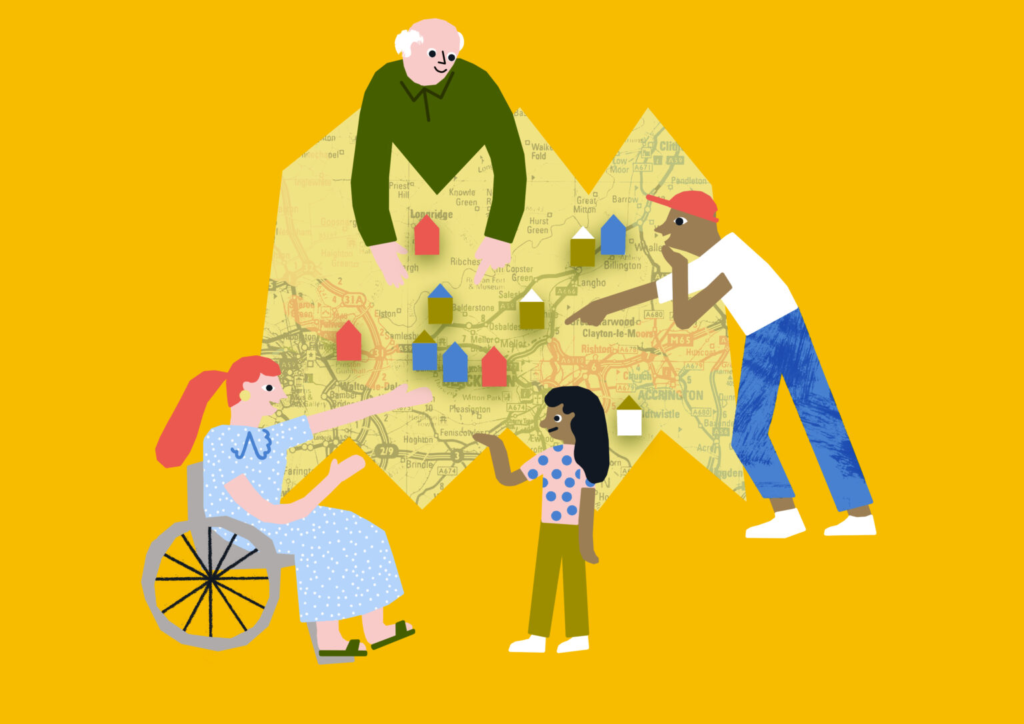
How can community consultations in planning be more effective, inclusive, and be ready for the post-pandemic era? Results from the project Community Consultation for Quality of Life find that participation in consultation can lead to increased wellbeing for individuals and communities.
Age-Friendly Communities enhance the elderly’s well-being in Pune, with improved access to healthcare, transport and housing
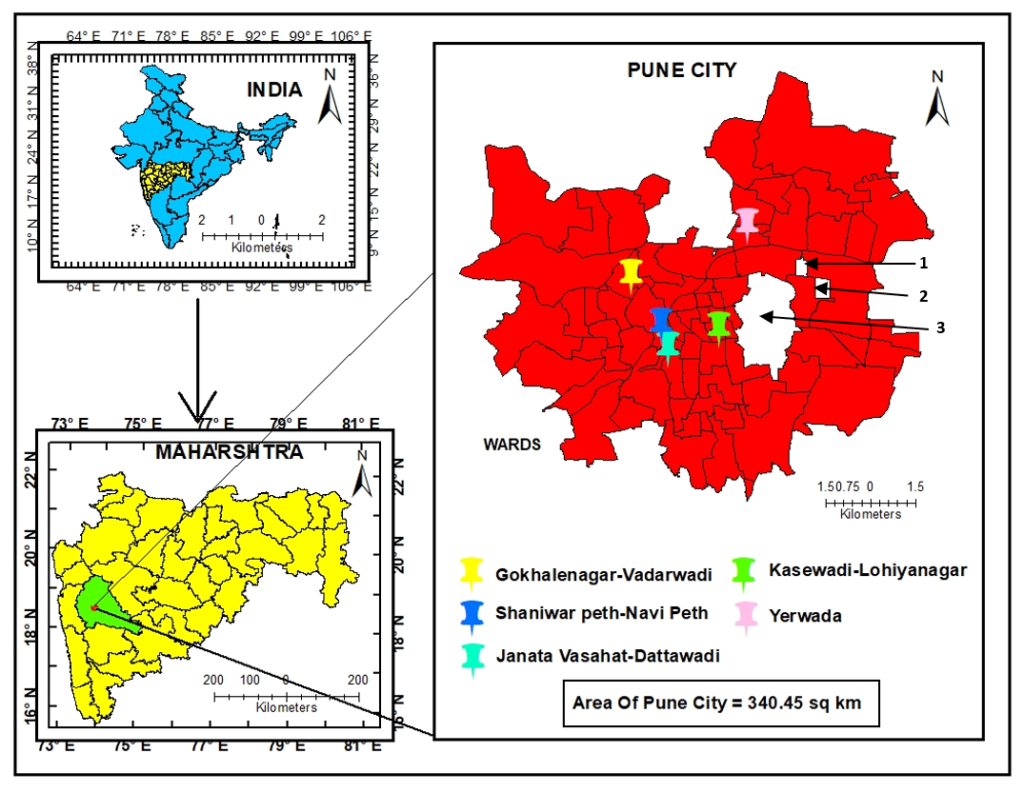
Age-Friendly Communities improve the elderly’s well-being in Pune, through better healthcare, transport, & housing. It is vital to develop age-friendly communities in urban areas.
An examination of urban green spaces usage behaviours and mental health benefits
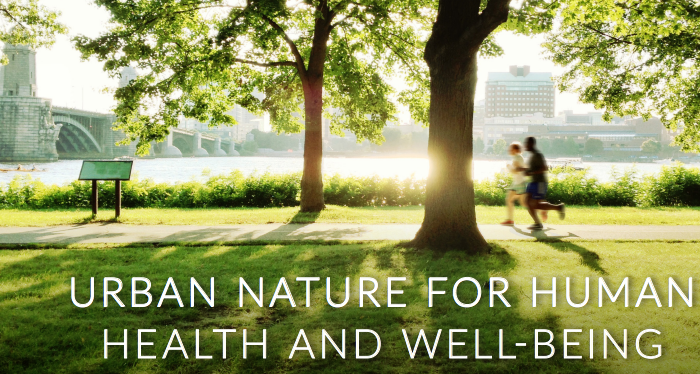
The study by collecting data from a sample in a developing and rapidly urbanizing country in South Asia highlighted the importance of green space interventions to promote urban dwellers’ contact with urban green spaces and physical activity levels. Moreover, it highlighted differences in urban green space usage behaviours based on differences in sociodemographic characteristics, suggesting the necessity to target certain sub-population groups more than others.
A brain health pilot program to prevent cognitive decline in community-dwelling older adults

Enhance cognitive health in older adult communities using the CAP approach: fostering Connectedness, feeling At home, and engaging in joyful Play. This community-centric model seeks to improve well-being and complements existing health resources systems, emphasizing the importance of building strong, supportive networks among older adults.
Using open data to assess urban greening and climate-related health impacts
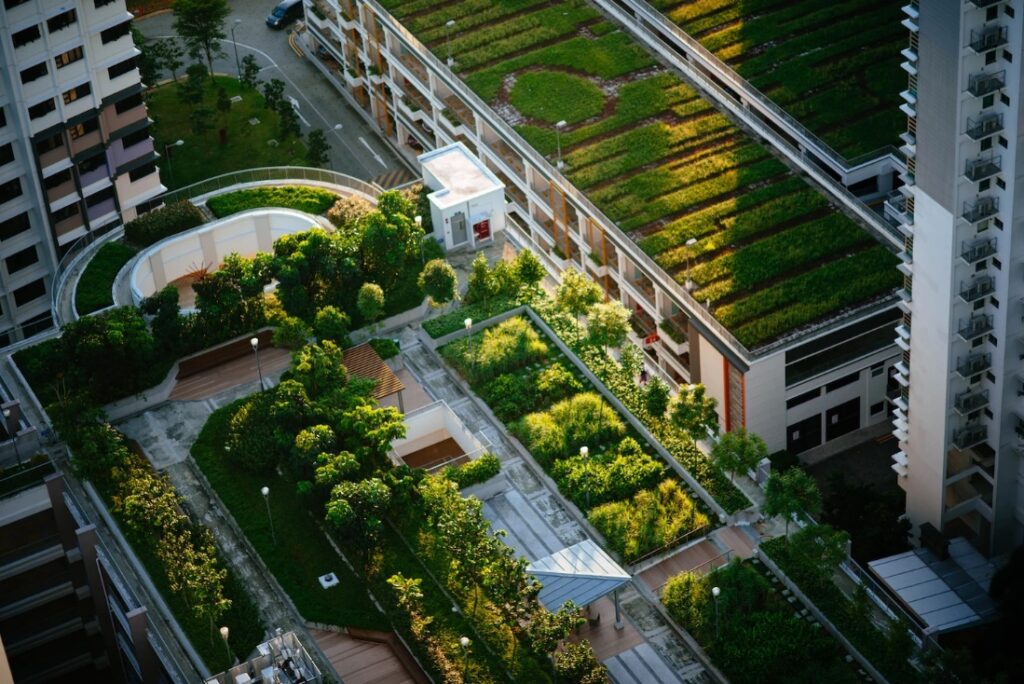
Urban greening interventions have been shown to increase the climate resilience of our cities and improve the health outcomes of residents. How can we use open data to target these interventions more effectively and maximise the benefits of increased greening?
Improving adaptive capacity to urban climates: The role of local cultures
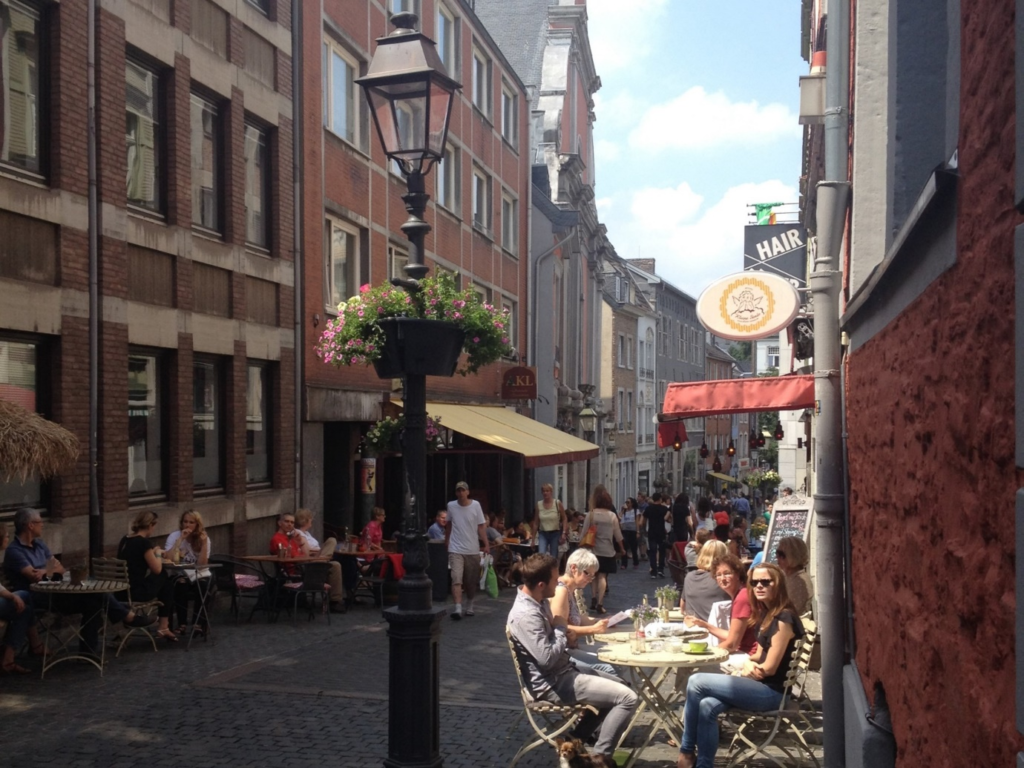
Urban design and planning, and associated policies, must enable and support a collective adaptation to climate change by responding to local needs. These needs can be identified through an urban comfort lens considering sociocultural preferences and needs which must inform urban design and planning practice.
Professional’s insights into planning and designing for extreme heat
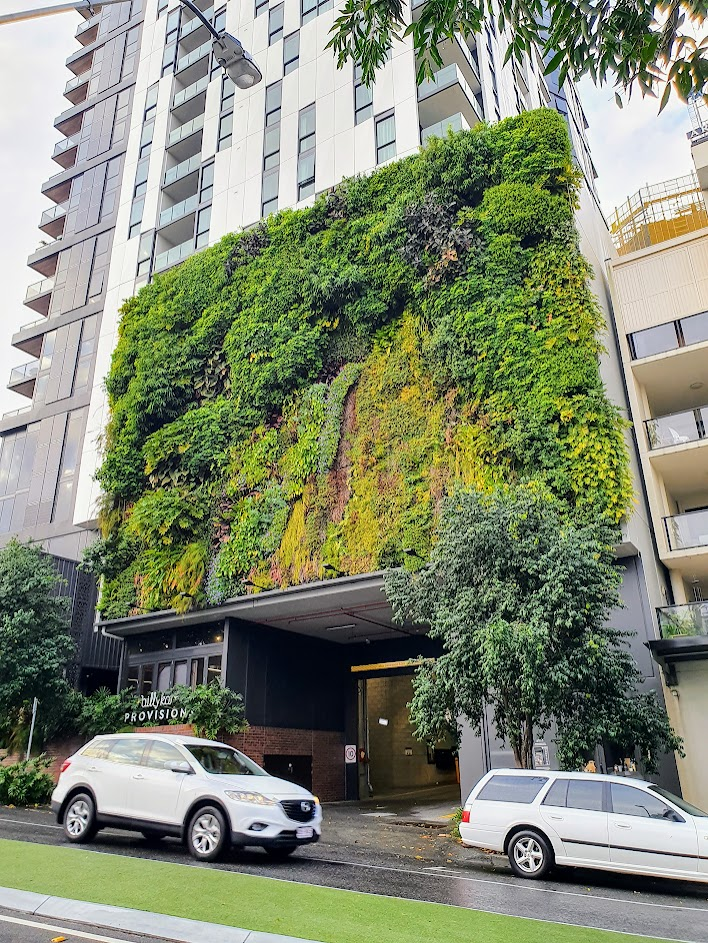
Our urban environments are getting hotter, yet urban design and planning solutions which can mitigate heat are rarely used. There is a need for further education and strategic planning policy positions to support heat mitigation policy and practice in the built environment.
Neighbourhood effect on mental well-being of the citizens in Asian and African cities
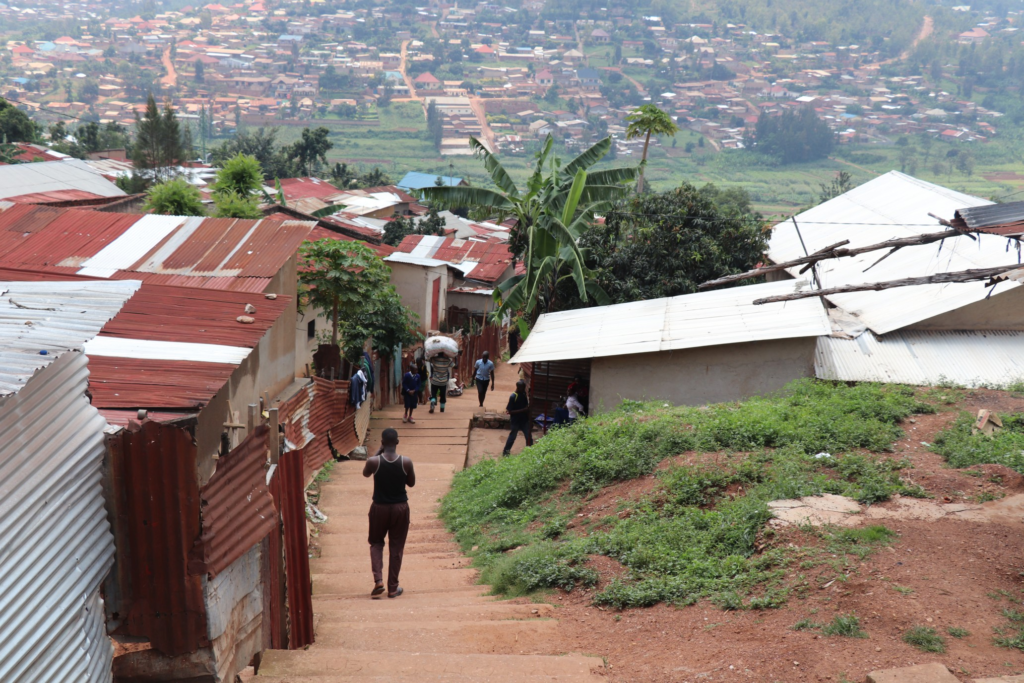
Our cross-sectional study of 272 neighbourhoods of thirteen cities shows that diverse physical and social attributes of neighbourhoods influence mental well-being of the citizens in the Asia and Africa.
Using a liveability index as a mechanism to appraise city quality for healthy ageing
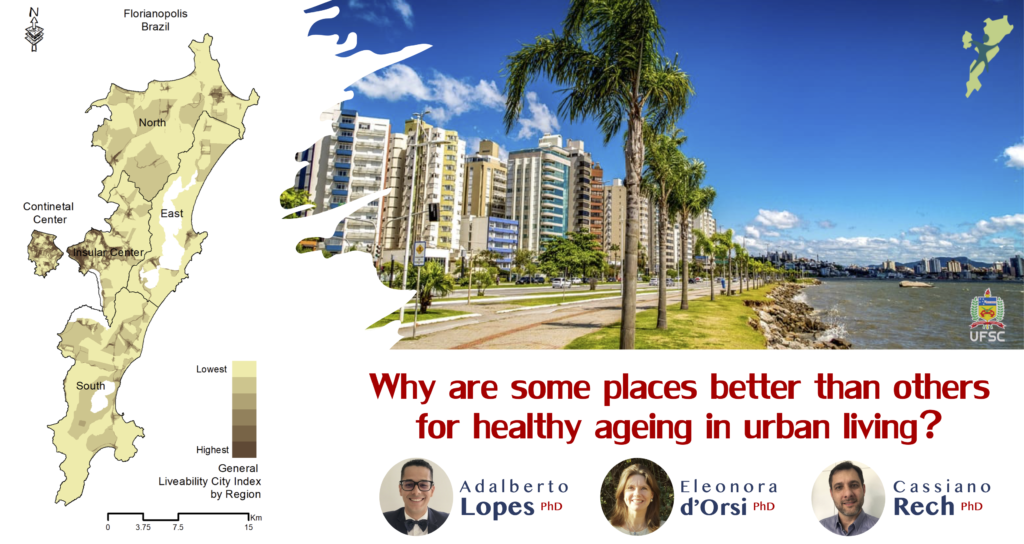
Urban health is a complex system that involves several indicators acting together, there is no single solution to the health-related issues in cities. We wanted to promote healthy ageing in urban living. Our strategy was to take people’s needs and demands into account, when evaluating, monitoring and proposing feasible changes in built, natural and social environments.
Fostering independence in children for a healthier future

This paper explores the relationship between parents’ sense of belonging and their children’s independent mobility. We found that parental satisfaction with their living environment can be influenced by their sense of belonging, ultimately creating a community with more independent children.