A holistic perspective in health-supportive design of future homes as informal offices

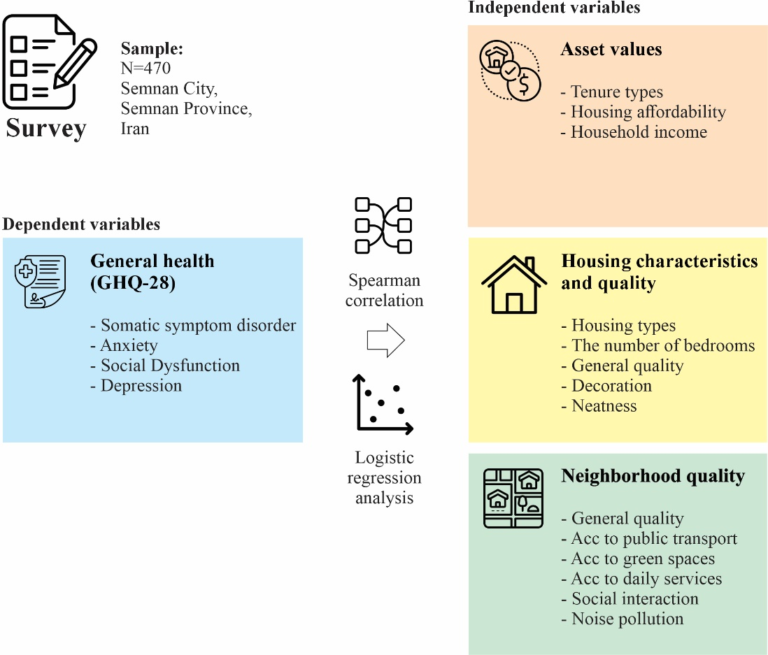
The expected rise of working from home after the COVID-19 pandemic necessitates a deeper understanding of the cause and effect of home environment on physical, mental, and social health. Existing research primarily focuses on physical and psychological health, with less attention given to social health. Incorporating social health is emphasized by various researchers during the pandemic. Moreover, the interconnected nature of health components suggests the possibility of mediation, requiring a model selection to represent the working from home situation.

Read More »

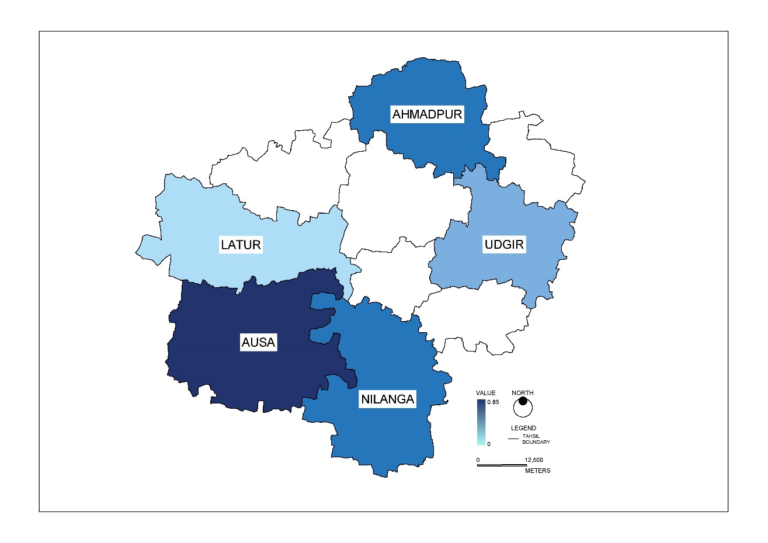
Making streets safer for women: A women-centric walkability index for Kollam’s urban future, India

This study introduces the Women-Centric Walkability Index, addressing factors influencing women’s walking experiences in urban areas. Analyzing fifty-five wards in Kollam Corporation, Kerala, we identified key indicators like well-maintained sidewalks, street lighting, safety measures, and access to public amenities that enhance women’s walkability. Using the Analytical Hierarchy Process and GIS analysis, our research highlights the need for safer, more accessible, and comfortable walking environments for women, benefiting all pedestrians.

Read More »

Shared mobility as a mean to tackle transport poverty in deprived neighbourhoods

Shared mobility hubs that offer (electric) bikes and cars can be a sustainable solution that enables people to expand their mobility options while protecting cities’ environment by reducing private car use and encouraging cycling. We interviewed residents of a deprived neighbourhood in Utrecht, the Netherlands, to understand their mobility needs and views on a recently implemented shared mobility hub in their neighbourhood, identifying potential obstacles in the process.

Read More »

Making cities walkable for caregivers: bridging urban complexity and mobility justice

We examine how caregiving-related needs remain overlooked in walkability and Transit-Oriented Development strategies. Despite high levels of urban complexity, many transit-accessible areas lack essential caregiving-support places, particularly in vulnerable neighbourhoods. This spatial mismatch limits care-engaged individuals’ ability to chain trips, and access services, reinforcing mobility and social inequities. Our research highlights the need to integrate caregiving accessibility into planning frameworks to ensure that walkable cities are also inclusive and care-supportive.

Read More »

Regenerative urban design and planning: Insights from Turkey for cities worldwide

This study contributes to understanding the intersection of regenerative planning principles and legal frameworks. It identifies the extent to which Turkey’s urban planning legislation aligns with regenerative principles, highlights key gaps in the current system that restricts the integration of regenerative approaches and provides insights that can inform urban planning practices and legislative reforms globally.

Read More »

Four-walled or fourfold? Well-being in gated cities

Our study sheds light on the evolving dynamics of the Greater Cairo Region, adding depth to the understanding of whether gated communities act as true remedies or reflections of concrete houses. By incorporating a model based on critical factors for mental health, we offer insights into the nuanced dimensions of well-being in the context of urban development. This research contributes to a more comprehensive understanding of the complex interplay between city structure and residents’ overall well-being.

Read More »