Building healthier cities in Saudi Arabia through greener urban futures

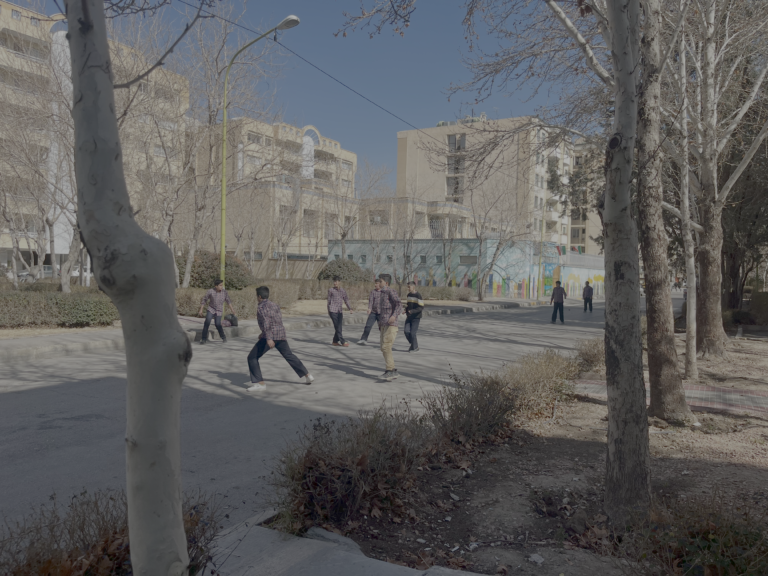
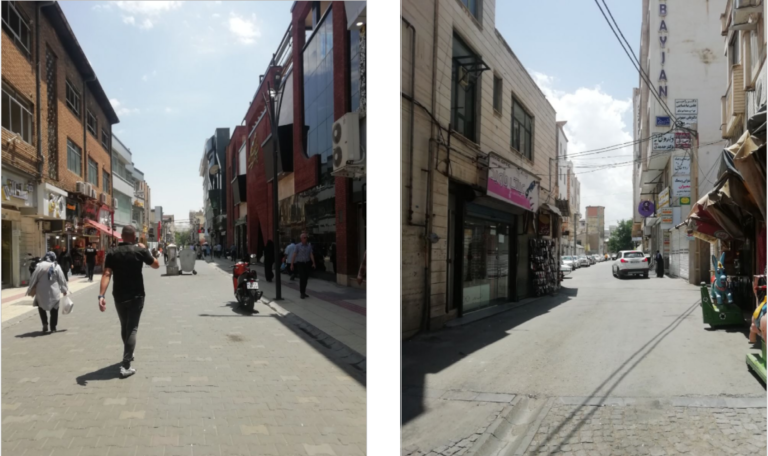
This research extends existing scholarship by contextualizing Healthy City principles within Saudi Arabia’s specific climatic conditions, demographic transitions, and centralized governance structures. Rather than advocating direct replication of international models, the study emphasizes learning from international experiences to inform context-specific strategies aligned with Vision 2030 and national sustainability priorities. By interpreting international experiences within Saudi urban realities, this work provides a geographically specialized and policy-relevant contribution to the discourse on sustainable and healthy urban development.

Read More »

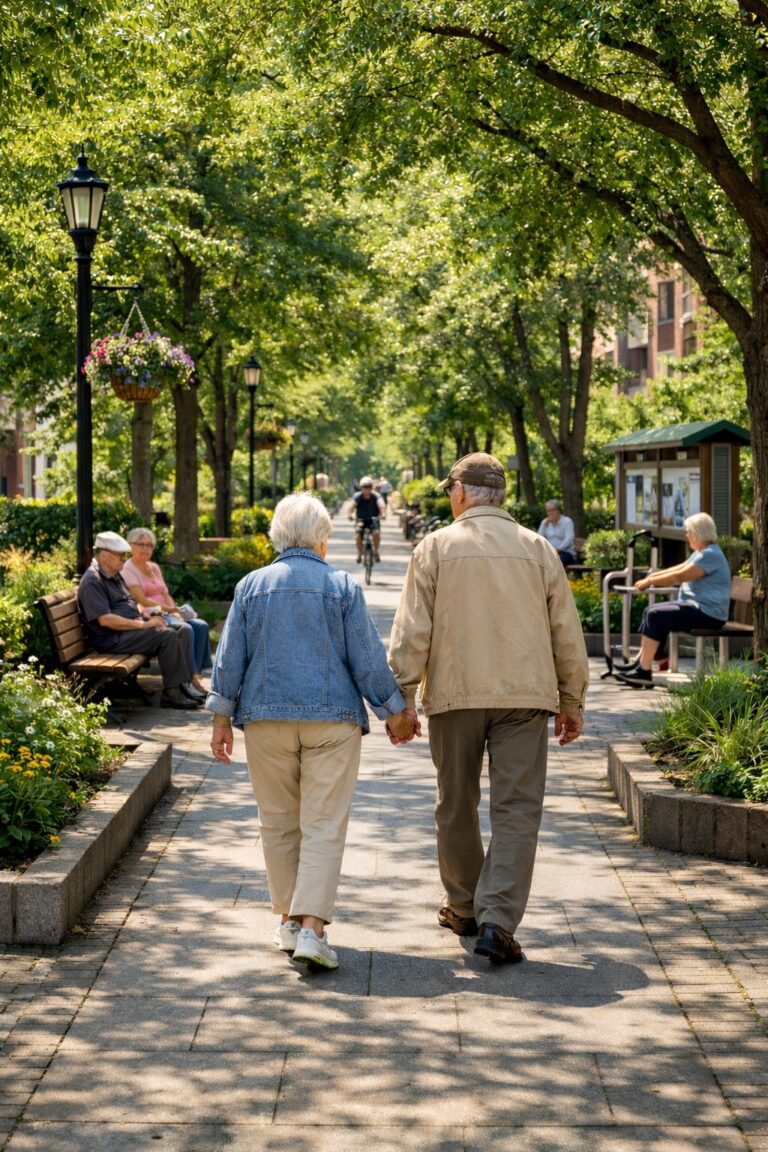
How can Isfahan, an historic city in Iran, be transformed into an age-friendly city?

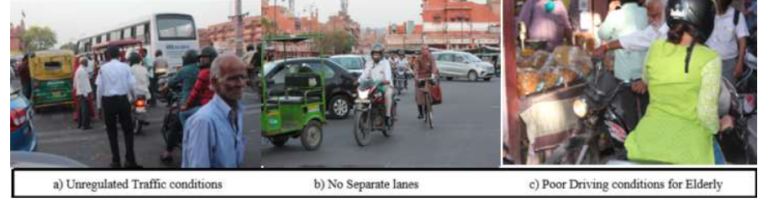
The elderly should be able to travel and have fun like everyone else and use urban spaces easily, and on this basis, it is necessary to identify dimensions of an age-friendly city that provides the possibility of planning for such environments. We present an approach of bringing the WHO Age-Friendly City framework into urban planning strategic decision-making by using the AIDA (Analysis of Interconnected Decision Areas) model.

Read More »

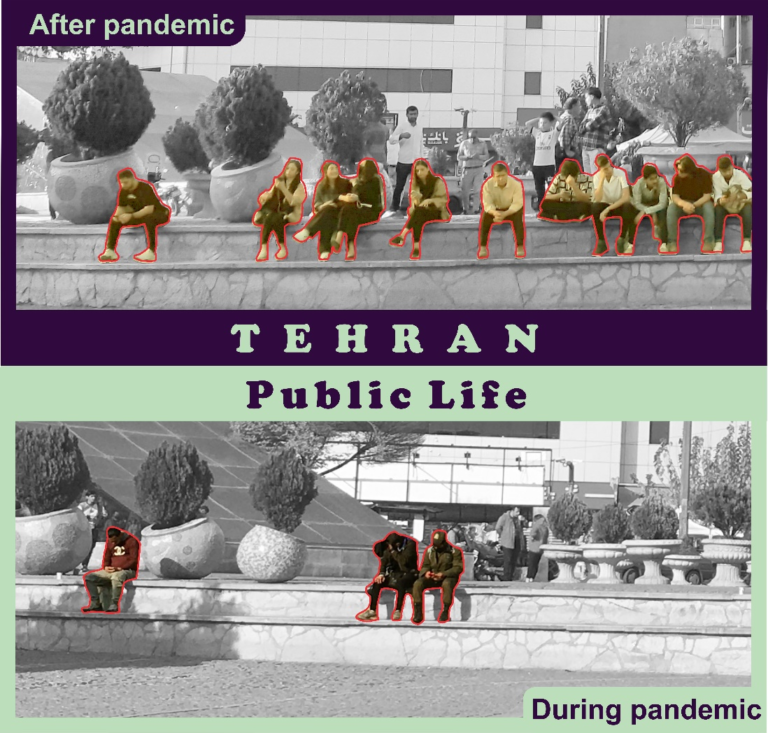
Well-designed public spaces don’t just fill a city; they shape our happiness, our connections, and even our psychological well-being

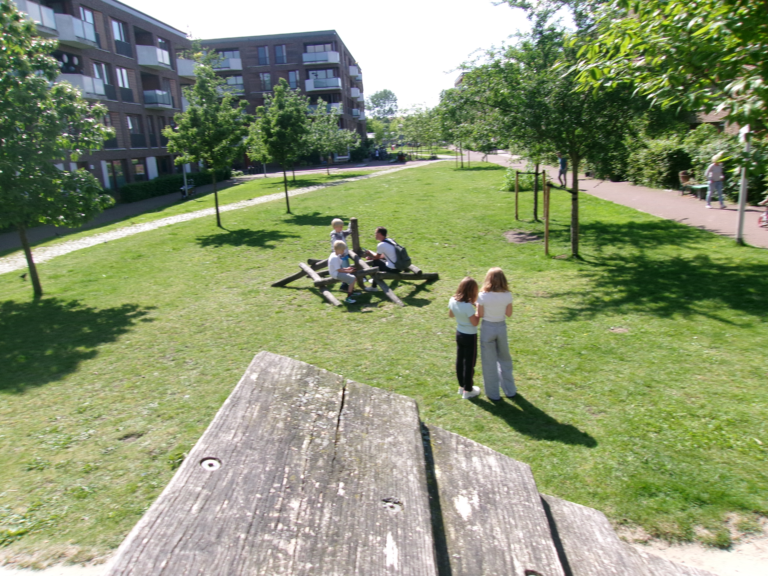
Urban environments and public spaces play a crucial role in shaping mental health, life satisfaction, and social connections. Most studies have mainly looked at cities as a general category, but we still don’t fully understand how different kinds of public spaces affect people’s mental well-being. We try to fill that gap by looking at seven types of urban spaces to find out which ones help people feel better mentally.

Read More »

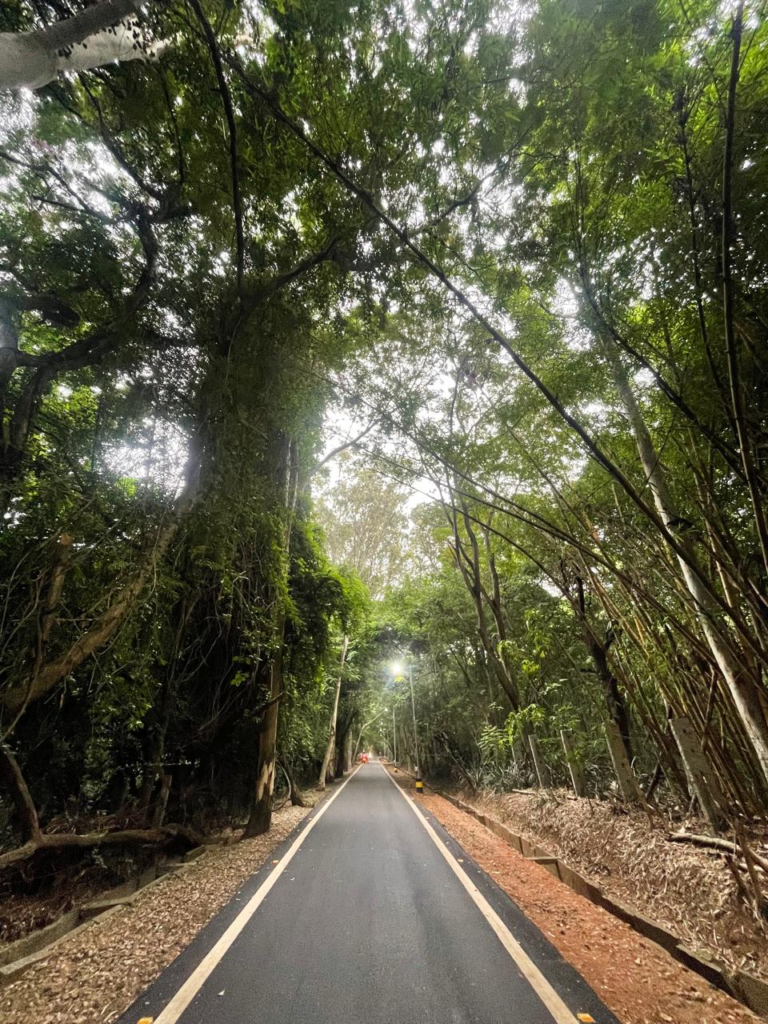
Why park design matters for everyday social life

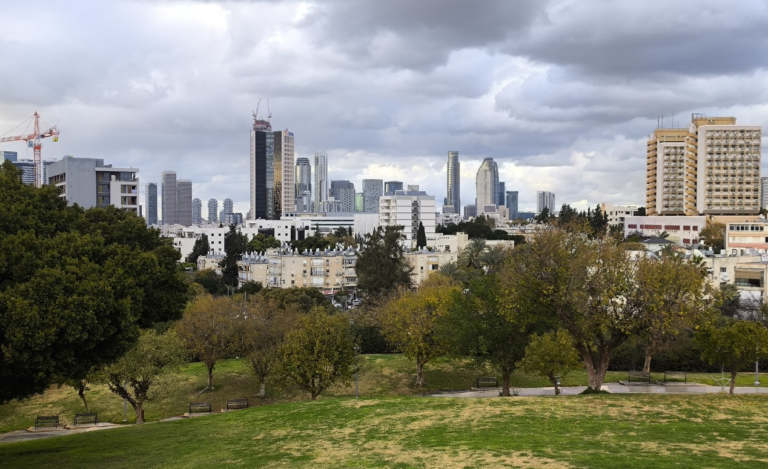
Public parks shape how people meet, stay, and interact. This study shows how specific physical features of an urban park influence everyday social life, offering practical lessons for designing public spaces that support social interaction, wellbeing, and inclusive urban vitality. We combined on-site observation of people’s behaviour with surveys of park users and spatial analysis. We did this to move beyond abstract design principles and provide evidence-based insights into how seating, pathways, land use, inclusiveness, and safety shape everyday social interactions in public spaces.

Read More »