Restorative urban wildness for people, biodiversity and urban ecosystems health

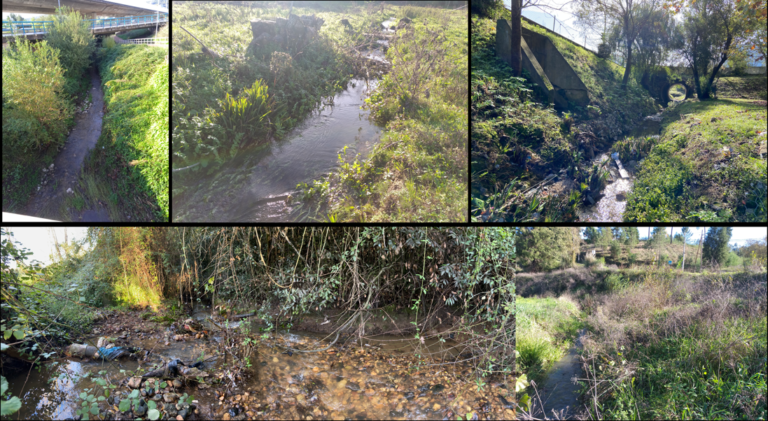
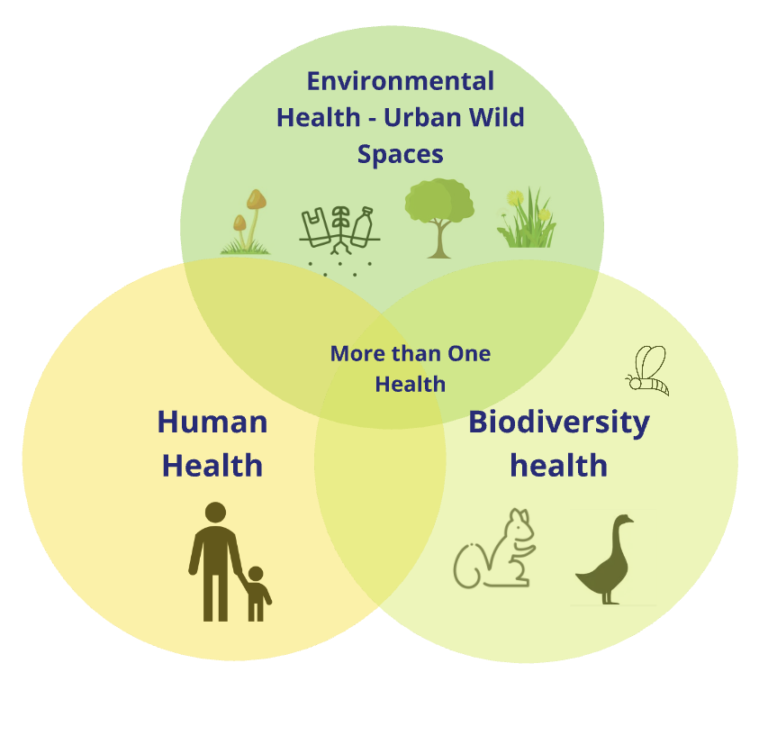
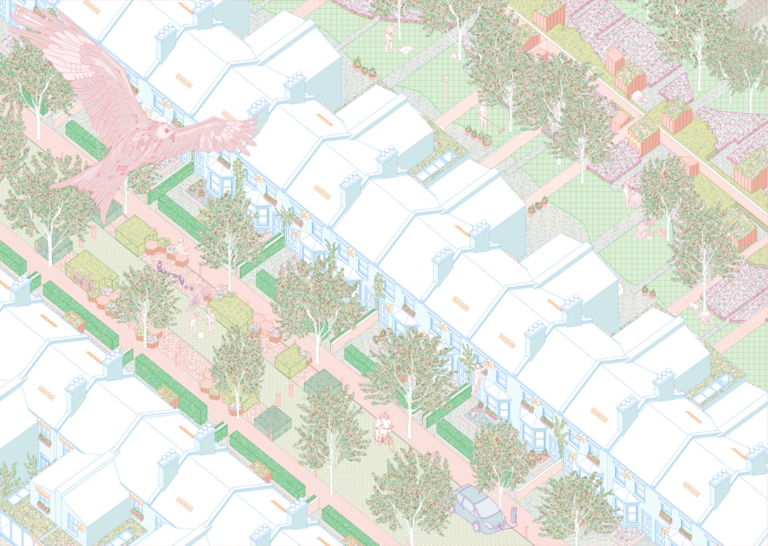
What if urban health went beyond human wellness? Through our more-than-One Health conceptualization, we explored urban wild spaces as places where the health and flourishing of humans, animals, and ecosystems intertwine. This approach provides new insights into designing cities that are not just green, wild, but interconnected as restorative habitats for human and non-human health.

Read More »

The role of greenness during the COVID-19 pandemic

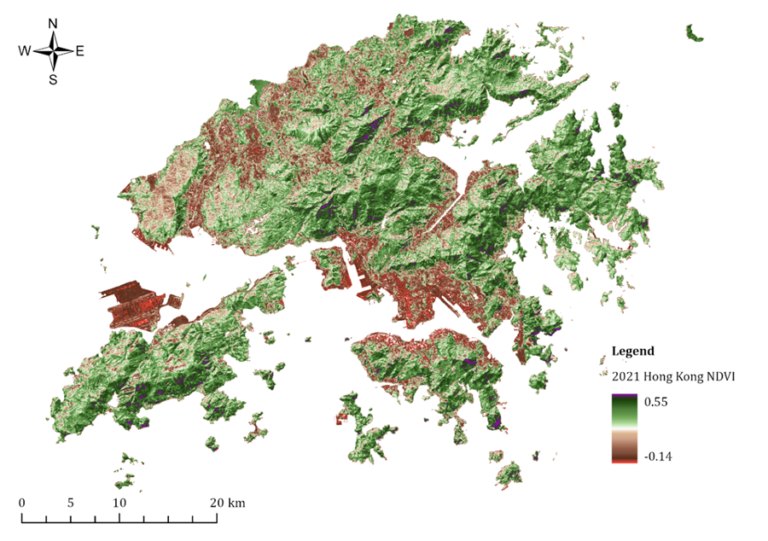
Residing in a neighbourhood with higher greenness within 400 metres was associated with higher residential greenspace visitations during the COVID-19 pandemic. Policies towards scaling up and optimising residential greenness may constitute important interventions for enhancing population-level resilience during public health emergencies.

Read More »

Nature-inspired urban design for the socially complex Liffey Boardwalk, Dublin, Ireland 

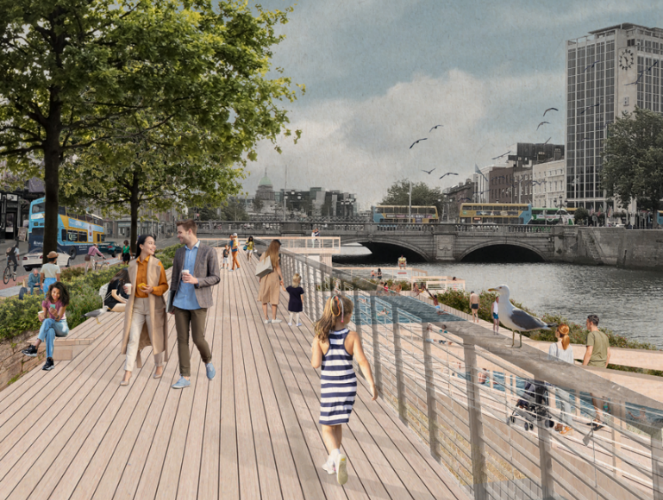
Interventions on riverfronts require close consideration of contextual ecological and social aspects. We adopted a research-by-design process to discuss nature-inspired urban design strategies in an Irish context.
• We conducted a desk study of academic literature and urban policies to establish the suitability of various methods for the site characteristics;
• We performed site analyses (site observations, footfall counting, photographic documentation) for an in-depth understanding of the existing conditions. We developed urban design scenarios to envision potential approaches, on which public feedback was sought.

Read More »

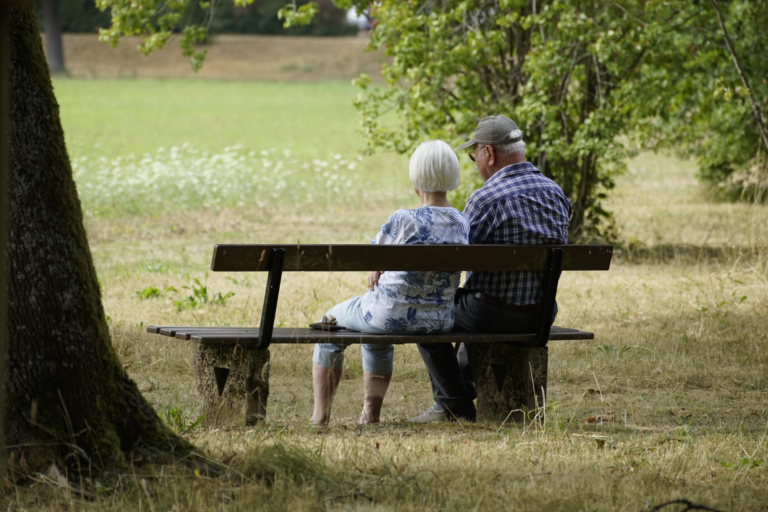
Natural spaces and depression in urban older adults: Exploring types, accessibility, and mediators

Increasing the availability of urban green spaces, even small pocket green spaces, should be considered a promising intervention for reducing depression among older individuals. Beyond 100m, urban green space protection diminishes. WHO recommends that the population have a green space within a 300m radius. However, for older people, this threshold may be too distant.
However, not all green spaces confer mental health benefits; therefore, researchers and professionals should consider the differential effects of different categories of greenery.

Read More »

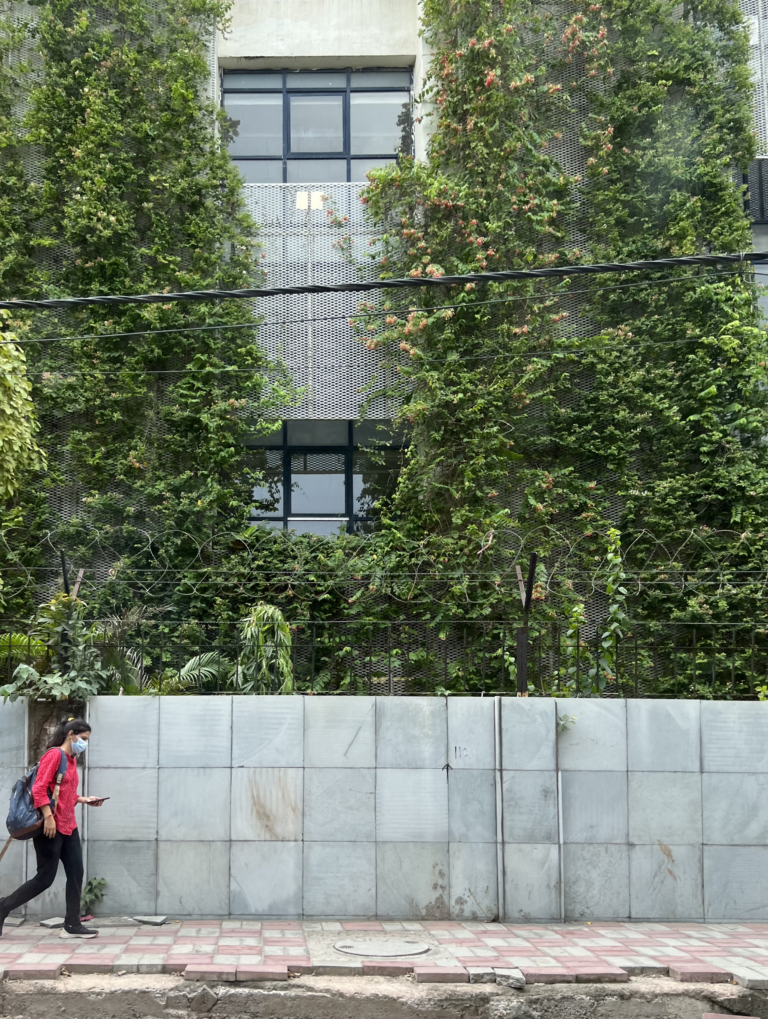
Perceptions of design professionals regarding vertical greenery in buildings – A case of Delhi

Our study provides valuable insights by examining the obstacles and viewpoints regarding vertical greenery systems in Delhi. It highlights the technical challenges as significant adoption barriers among built environment professionals. Emphasizing the pivotal role of vertical greenery in climate change mitigation, this research advocates for further scholarly investigation and evidence-based policy formulation. This deepened understanding supports the seamless integration of vertical greenery systems into urban landscapes, fostering sustainability and resilience.

Read More »

The Emerald Isle or a Green Desert? Gardens as sites for city greening 

To create cities where both nature and humans thrive, the research outlines how city gardens are interconnected with the surrounding countryside and coast. A hands-on approach is needed to bring more nature into gardens through combining disciplines such as 1) environmental psychologists (unearthing different types of gardeners) 2) the horticultural industry (the know-how) and 3) the marketing/advertising industry (the storytellers). Aggregated actions of domestic gardeners could help policy-makers push for improved biodiversity restoration.

Read More »

Wild Ways: influencing ‘rewilding’ behaviour in urban gardens

We reviewed the existing research on influencing rewilding behaviour by city residents in their gardens. We used a behaviour-change model to identify intervention and policy strategies that affect residents’ rewilding behaviour. We found that all intervention and policy categories were effective, requiring action across many organisations and areas to drive change.

Read More »

Informing the design of public greenspaces to optimise wellbeing outcomes for the general population

Our findings highlight how different features including sounds of flowing water, open seating areas, far-reaching views, and a variety of planting (colour, height, texture, scents, attracting wildlife) within a garden influence emotional reactions and perceived restoration. These findings help build a wider picture of the lived experiences of garden users and how their wellbeing may be influenced by specific garden features. We intend our findings to support design guidelines of public greenspaces concerning human wellbeing.

Read More »