Why park design matters for everyday social life

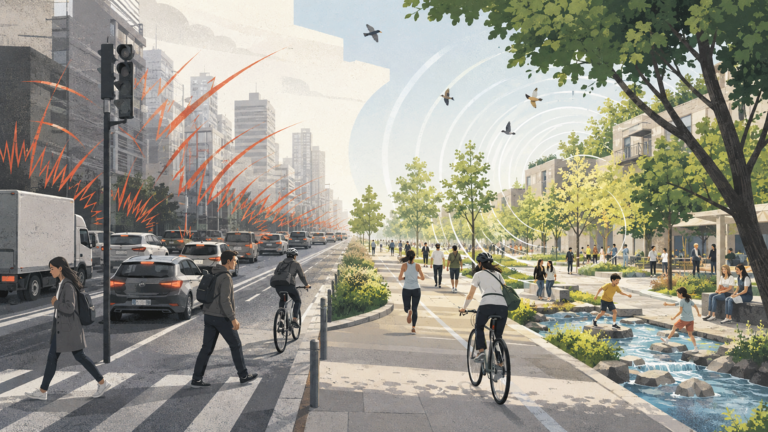
Public parks shape how people meet, stay, and interact. This study shows how specific physical features of an urban park influence everyday social life, offering practical lessons for designing public spaces that support social interaction, wellbeing, and inclusive urban vitality. We combined on-site observation of people’s behaviour with surveys of park users and spatial analysis. We did this to move beyond abstract design principles and provide evidence-based insights into how seating, pathways, land use, inclusiveness, and safety shape everyday social interactions in public spaces.

Read More »

How Verhalenhuis Belvédère keeps Katendrecht connected: Participation, recognition, solidarity

Verhalenhuis Belvédère demonstrates how community-led, culturally rooted public spaces bolster neighbourhood resilience during urban renewal by combining participatory co-creation, flexible programming, recognition, and memory work. More broadly, examples like this show how a socio-spatial triad—spatial agency, networked solidarity, and identity grounding—can help protect neighbourhood identity and strengthen lasting social infrastructure in diverse communities.

Read More »

Enhancing green infrastructure within slums can promote residents’ well-being

Green infrastructure has been conceived as something for the well-off in cities of developed countries. How green infrastructure contributes to quality of life and wellbeing in slums and informal settlements is largely unknown. A survey of the residents (sample size = 455) within a slum community (Ikorodu-Ajegunle) in Lagos, Nigeria. The survey was preceded by stakeholder forum where actors from health, urbanism, environmental sectors discussed the links and made inputs to the research instrument used for data collection.

Read More »

PLAYSmaking – play as a lever for placemaking and pedestrianisation

Intertwining play and placemaking (‘PlaysMaking’) in Cork city has inspired positive changes in the spaces, places and lives of citizens. The barriers of high car dependence and a history of resistance to pedestrianisation policies in the city were overturned by levering play to temporarily pedestrianise areas in the city. Community led PlaysMaking in Cork City has secured the permanent pedestrianisation of public roads, creating inclusive recreational spaces and led to the creation of dedicated public spaces for popup events and playful cultural trails.

Read More »

How does the built environment and traffic impact air pollution, and what does this mean for public health? 

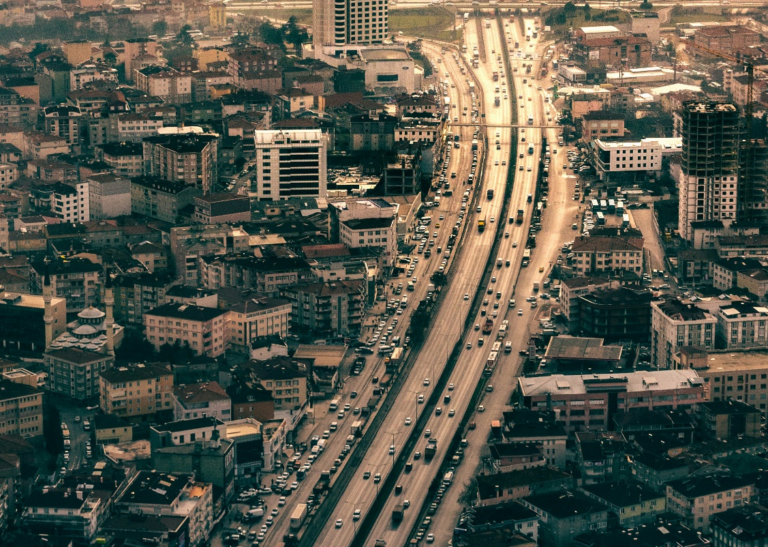
Air pollution threatens public health globally. Our exposure to air pollution is influenced by transport. Transport is both a prominent source of air pollution and an important determinant in our exposure to it. The built and natural environment also dictate how, when and where we travel, and what we are exposed to. We provide a comprehensive review of these relationships and their interactions.

Read More »