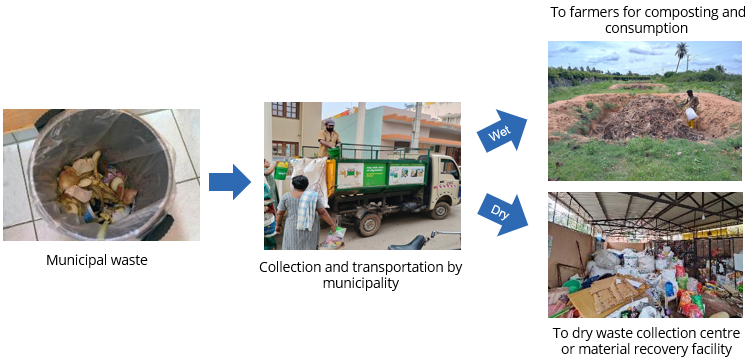
City farmers’ collaborations for biodegradable wet waste processing

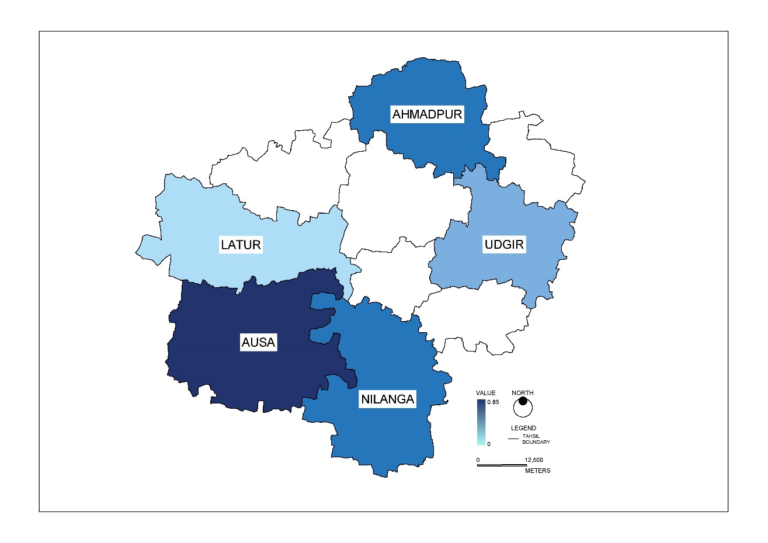
Improper solid waste management causes significant environmental damage. In India, solid waste management is a major challenge, particularly for urban local bodies. While larger cities have access to sufficient funds to provide solid waste management services, smaller cities with limited resources struggle to sustain financially viable solid waste management operations. Consequently, solid waste often ends up in landfills, contaminating the environment instead of being processed effectively. At the same time, the excessive use of chemical fertilizers in agriculture degrades soil health and further contaminates the environment.

Read More »

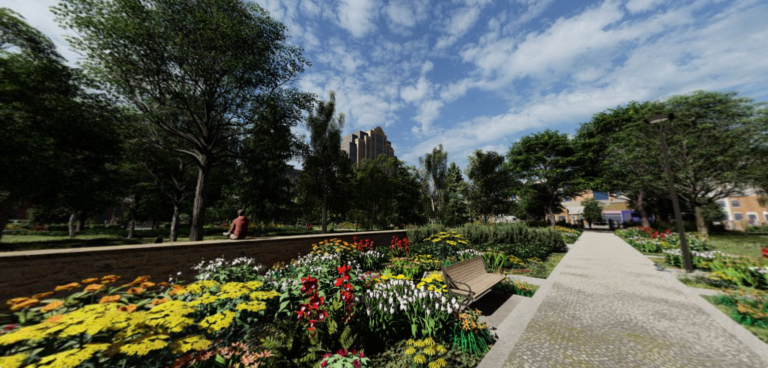
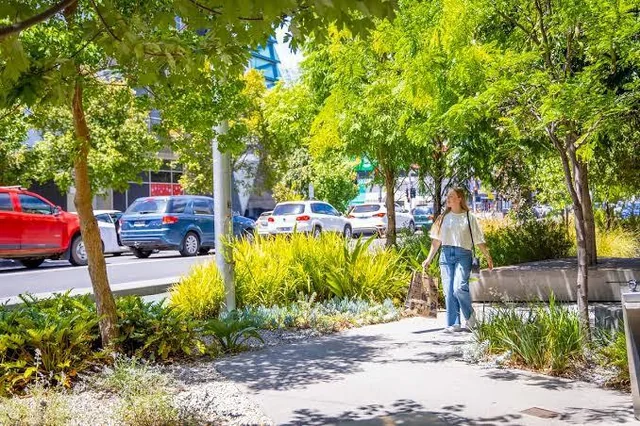
A health equity-informed review of pedestrian urban designs and place attachment, sense of community

Building place attachment and sense of community through design can improve community well-being, yet reviews on this topic are lacking. This manuscript presents a systematic review of the links between pedestrian designs and place attachment and sense of community, and also highlights several health equity considerations to encourage new ideas about inclusive and healthy urban design practice and study.

Read More »

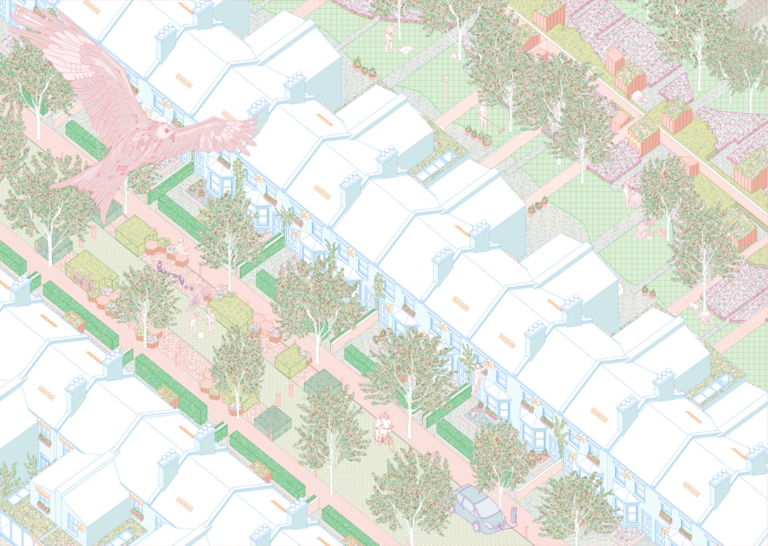
Peri-urban landscapes and the potential of integrated foodscapes to support healthy cities

As the global urban population grows, food production and housing are currently ‘competing’ with each other for land on the edges of cities. Both essential urban components, this research supports town planning and urban design professionals to explore alternative peri-urban land use typologies, where food production and housing co-exist for greater urban health and resilience.

Read More »