Healing the city: a diagnostic approach to decoding stress in urban public spaces

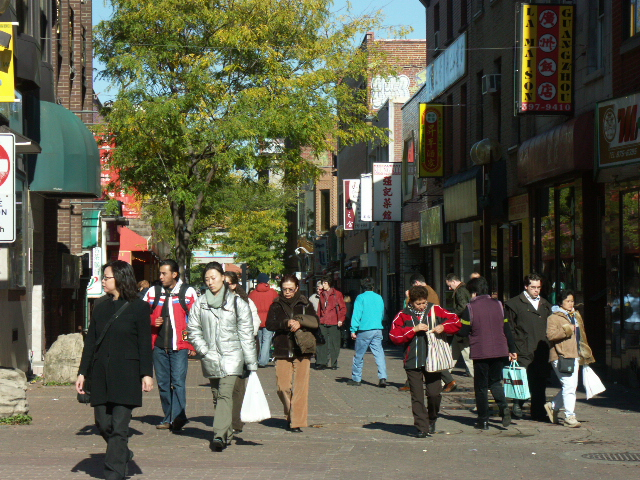
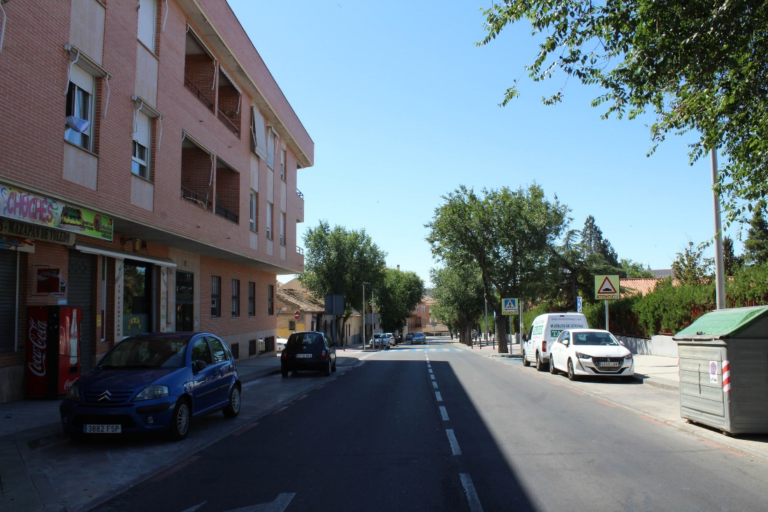
This newly developed methodological approach aims to identify the underlying causes of stress in urban environments. To this end, it analyses a broad spectrum of perception-related factors from various fields to capture the full complexity of human perception in a more holistic manner. The evaluation of five case studies using the so-called ‘Stressor Matrices’ serves as the basis for deriving initial hypotheses about the triggers of urban stress.

Read More »

Benches for connection: Simple urban design to fight loneliness

My study shows that simple ‘Happy to Chat’ benches successfully encourage spontaneous conversations, leading to positive feelings and new social connections. I found these benches can:
• Create welcoming spaces for casual and meaningful interactions.
• Promote emotional well-being and social bonding.
• Act as a subtle ‘social nudge’ to encourage interaction.

Read More »

Exploring the restorative and social value of urban running environments as third places, Manila, The Philippines

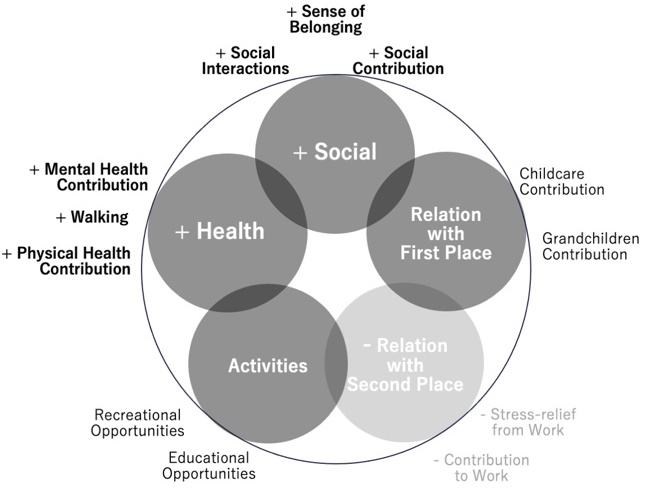
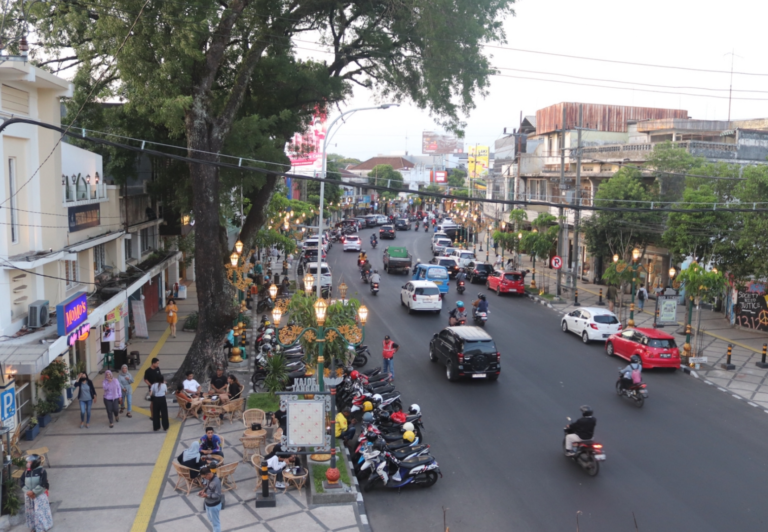
We asked runners across Metro Manila to rate their usual running spots, not just based on convenience or safety, but on how these places make them feel. Do they offer a sense of community? Do they reduce stress? Can people connect with others there, even informally? These questions are rooted in the idea of “third places”, spaces that are neither home nor work but still feel like a meaningful part of daily life.

Read More »

City farmers’ collaborations for biodegradable wet waste processing

Improper solid waste management causes significant environmental damage. In India, solid waste management is a major challenge, particularly for urban local bodies. While larger cities have access to sufficient funds to provide solid waste management services, smaller cities with limited resources struggle to sustain financially viable solid waste management operations. Consequently, solid waste often ends up in landfills, contaminating the environment instead of being processed effectively. At the same time, the excessive use of chemical fertilizers in agriculture degrades soil health and further contaminates the environment.

Read More »

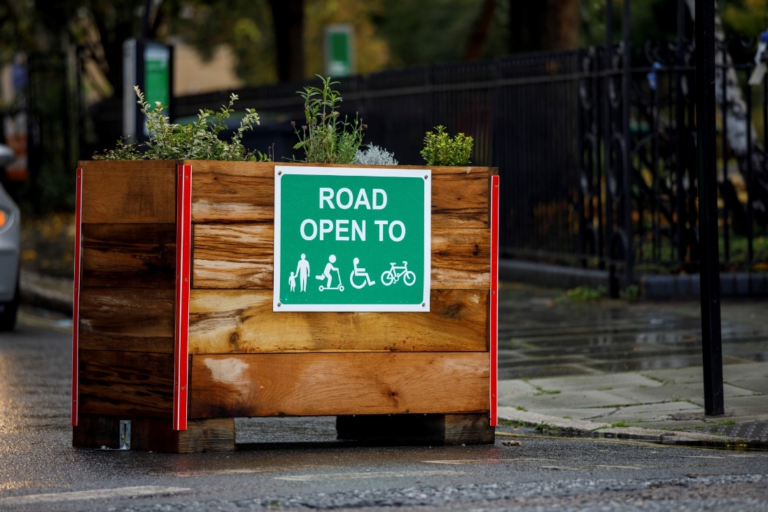
Regaining public space for children: a locally developed parent-led play street in Paris

Play streets are gaining popularity around the world. In French cities, more and more residents and local associations wish to develop play streets. One-off play streets are especially popular to introduce residents to the concept of a play street. However, there is little research outlining the key contextual elements for developing long-term or recurring play streets; these confront different obstacles than one-off play streets and require different efforts from those developing the play street.

Read More »