Young autistic adults walk like seniors aged 65 and over

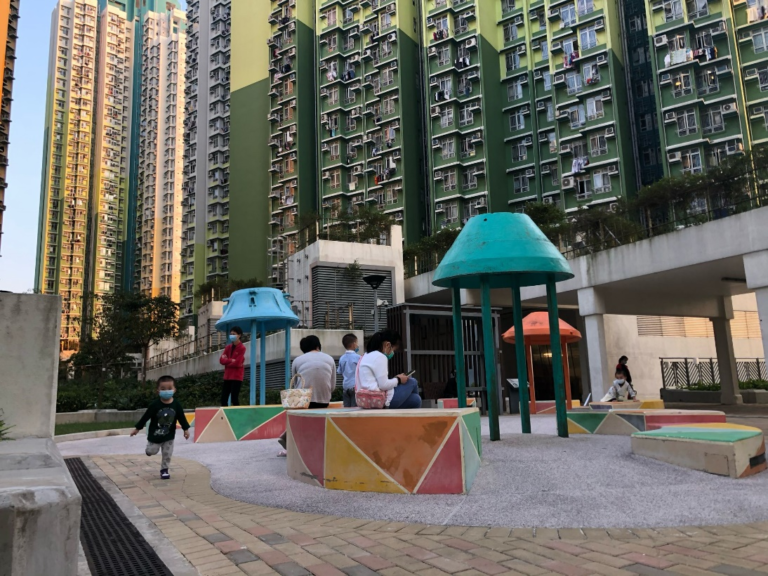
Our study shows that young autistic adults and older adults face similar patterns with walking, particularly at night or for leisure activities. These findings highlight a very poor health prospects for autistic adults as they age due to lack of physical and social activity. These findings underscore the need to rethink urban spaces for diverse needs. By identifying these patterns, we provide a foundation for creating urban environments that are more inclusive, accessible, and supportive of sustained physical activity and better health outcomes for autistic individuals as they age.

Read More »

Creating age-friendly parks: Insights from machine learning analysis on qualitative user data

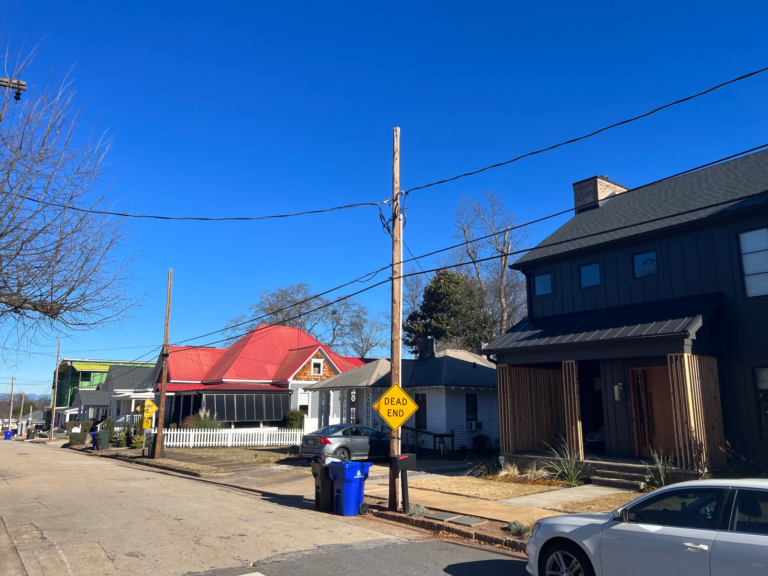
any parks and public spaces are not designed with seniors in mind, lacking features that encourage physical activity and social interaction. This can lead to isolation, decreased mobility, and poor health outcomes. Unlock the potential of urban parks to promote healthy ageing. Our research identifies the essential design elements that encourage seniors to stay active, providing a roadmap for cities to create an inclusive and supportive environment.

Read More »

Natural spaces and depression in urban older adults: Exploring types, accessibility, and mediators

Increasing the availability of urban green spaces, even small pocket green spaces, should be considered a promising intervention for reducing depression among older individuals. Beyond 100m, urban green space protection diminishes. WHO recommends that the population have a green space within a 300m radius. However, for older people, this threshold may be too distant.
However, not all green spaces confer mental health benefits; therefore, researchers and professionals should consider the differential effects of different categories of greenery.

Read More »

Where to walk when we are old: experiments in Taiwan and the USA

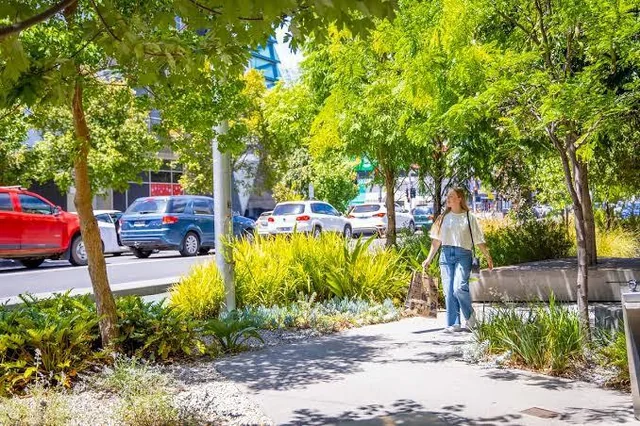
Our study highlights the importance of green spaces in urban areas for enhancing the well-being of older adults. It reveals significant benefits of nature walks over urban street walks and underscores the need for gender-sensitive urban design.
• Green spaces improve mood and perceived restorativeness.
• Women benefit more from nature walks, especially in urban streets.
• People from different cultures may benefit from nearby nature slightly differently.

Read More »

How can we reconnect mental and urban health?

Our study found that community place-based initiatives involving the public and private sectors can provide public spaces, such as public parks and communal gardens, that are appropriate for reconnecting mental and urban health using the concept of co-benefit endorsed by the World Health Organization in 2011. We examined this concept in large projects in Seoul and Singapore to show the advantage of intersectoral collaboration for reconnecting mental and urban health initiatives by urban planning.

Read More »

Healing the city: a diagnostic approach to decoding stress in urban public spaces

This newly developed methodological approach aims to identify the underlying causes of stress in urban environments. To this end, it analyses a broad spectrum of perception-related factors from various fields to capture the full complexity of human perception in a more holistic manner. The evaluation of five case studies using the so-called ‘Stressor Matrices’ serves as the basis for deriving initial hypotheses about the triggers of urban stress.

Read More »