
City Know-hows
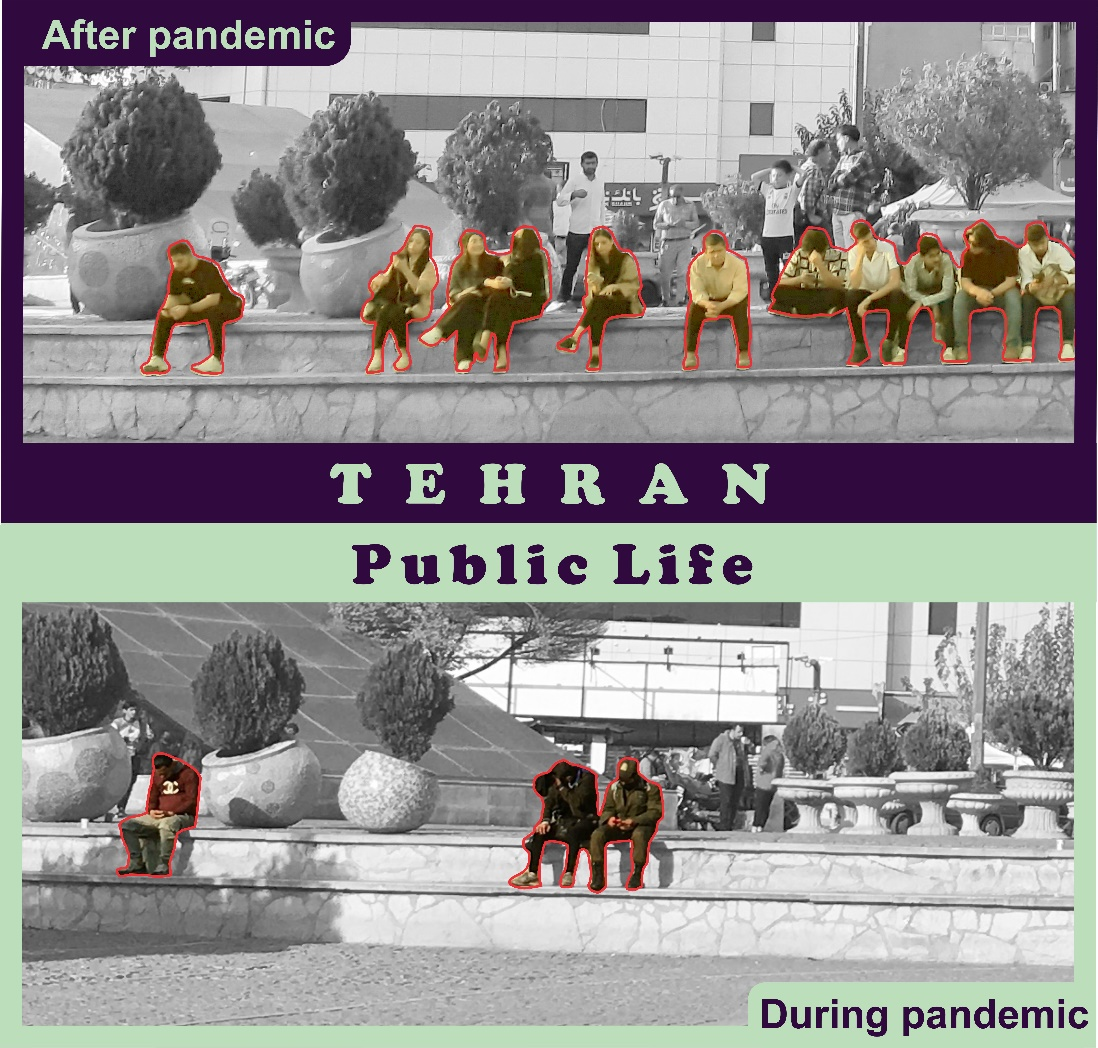
The book “How to Study Public Life” by Gehl and Svarre is the core of this study. Tehran’s public life during the pandemic and after that was thoroughly reviewed and analyzed through Gehl and Svarre’s lens.
Share
Target audience
Urban planners; urban designers; policymakers; municipalities; city planners, public health officials, and community leaders.
The problem
The importance of the methods used by Gehl and Svarre is fading away. Simultaneously, there was an obvious lack of deep understanding of public life in Tehran during the pandemic and post-pandemic.
What we did and why
We linked the gaps in understanding of public life in Tehran during the pandemic and post-pandemic using the analytics methods used by Gehl and Svarre. As such, we employed Behavioral Counting, Travel Mapping, Photography, and Field Diaries to address Gehl and Svarre’s primary inquiry: How many? Who? Where? What? How long? These were used in 7 popular urban public spaces which were hot spots for Tehrani citizens.
Our study’s contribution
Our work shows the suitability of using Gehl and Svarre methods even during unexpected situations like the pandemic to study public life. Furthermore, the results provide a comprehensive view of public life in Tehran which has not been done before. This study shows the importance of plazas and urban green spaces during the pandemic for maintaining the public life and people’s physical activity.
Impacts for city policy and practice
We recommend that researchers, urbanists, and policymakers consider and apply Gehl and Svarre’s methods more extensively and across various cities in their future studies. These would better enable them to design and plan for humans, which ultimately increase the resilience of cities. Specifically, our local study found that Tehran needs more walkable spaces that reduce cars’ domination and empower local economy, which is essential for public life.
Further information
Full research article:
‘How to study public life’ during pandemic and beyond: an inspiration from Gehl and Svarre in Tehran by Borhan Sepehri, Ayyoob Sharifi, MohammadReza Pourjafar, Ehsan Ranjbar, Mohammad Anvar Adibhesami & Saeed Makaremi
Related posts

Food behaviours are associated with diet quality, a major risk factor for chronic disease. We compared the food behaviours of house residents and apartment residents, and apartment residents by characteristic. We found significant differences in meal purchasing behaviours and consumption of fruit and vegetables, which have short- and long-term implications for dietary health.
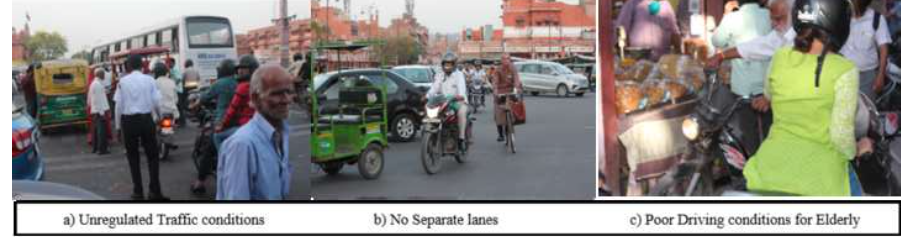
The deterioration of the built environment, as well as poor traffic and pedestrian conditions, creates obstacles to active mobility, active ageing and functional abilities among older adults residing in heritage city cores. This has negative impacts on their social inclusiveness, quality of life and well-being. The walled city, which encompasses Jaipur’s heritage neighbourhood, is one of the few planned cities in India, extending back to the 18th century, and is considered a tourist attraction. With an in-depth study, we use Jaipur’s walled city to examine how supporting a better quality of life for an ageing population can have co-benefits for the tourism economy.
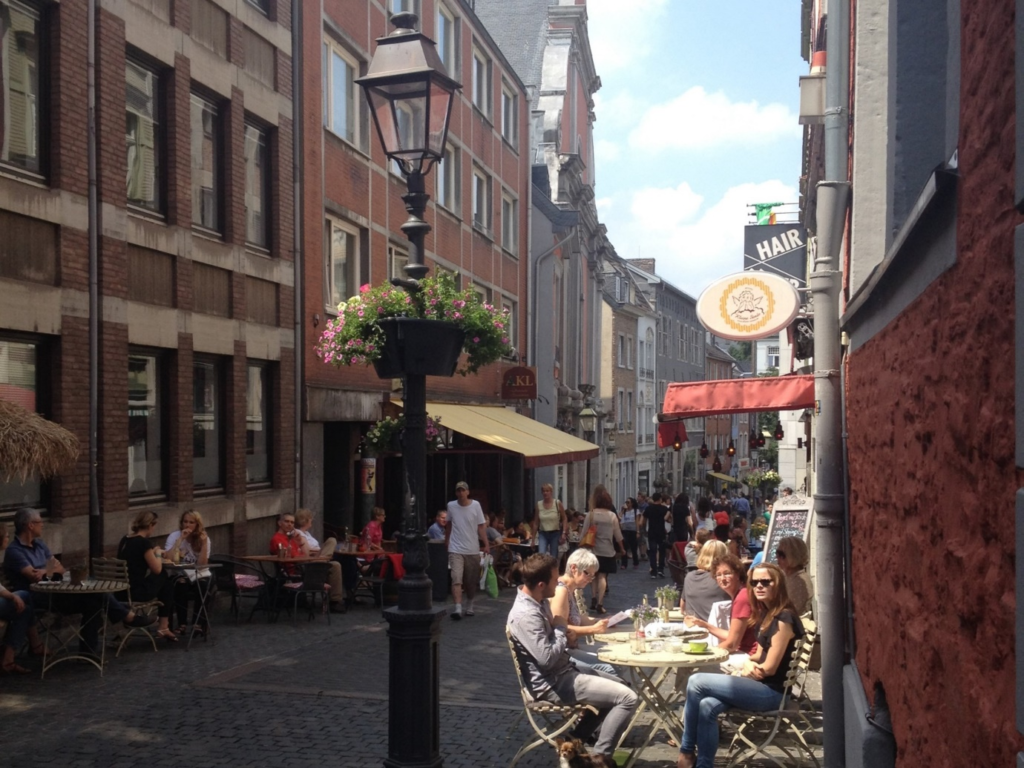
Urban design and planning, and associated policies, must enable and support a collective adaptation to climate change by responding to local needs. These needs can be identified through an urban comfort lens considering sociocultural preferences and needs which must inform urban design and planning practice.