Food behaviours vary by dwelling type, and by apartment characteristics

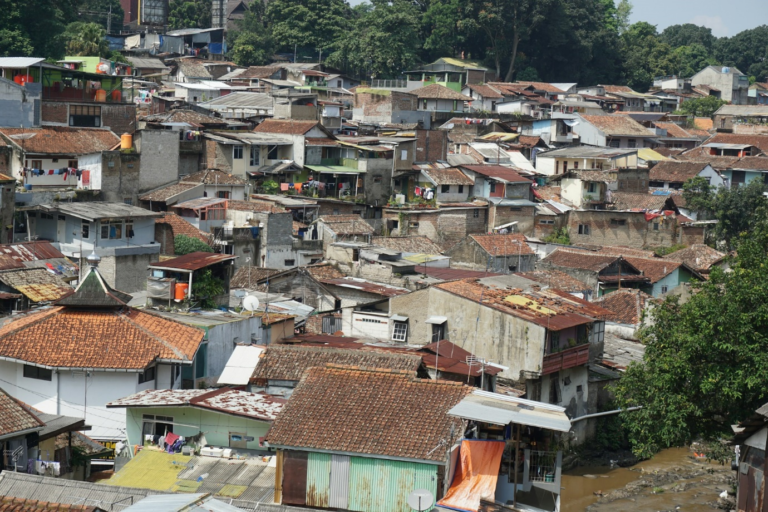
Food behaviours are associated with diet quality, a major risk factor for chronic disease. We compared the food behaviours of house residents and apartment residents, and apartment residents by characteristic. We found significant differences in meal purchasing behaviours and consumption of fruit and vegetables, which have short- and long-term implications for dietary health.

Read More »

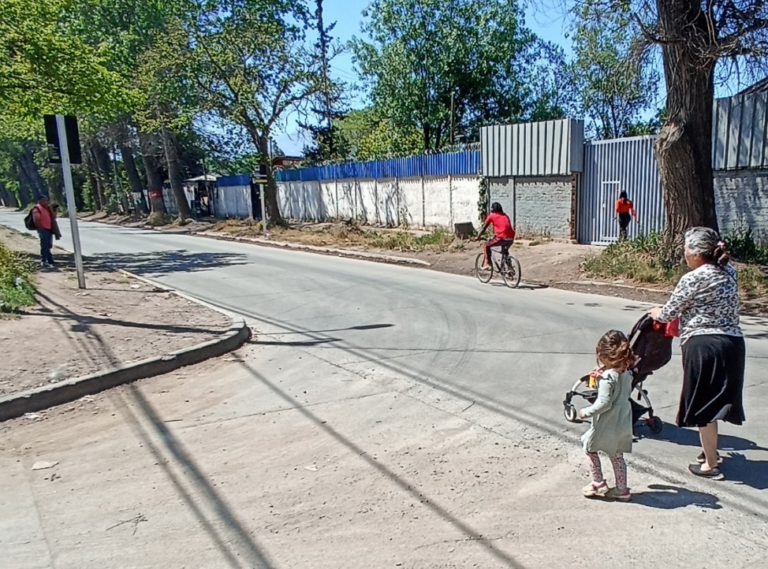
Do more walkable neighbourhoods have less crime? Depends on the socioeconomic context

Our study wanted to know more about the relationship between neighborhood walkability and crime in New Orleans, generally finding that the relationship between the two depends on the level of walkability, type of crime, and socioeconomic conditions of the neighborhood. Walkability was related to less crime in economically impoverished neighborhoods. Improving walkability in economically disadvantaged areas may help reduce crime.

Read More »

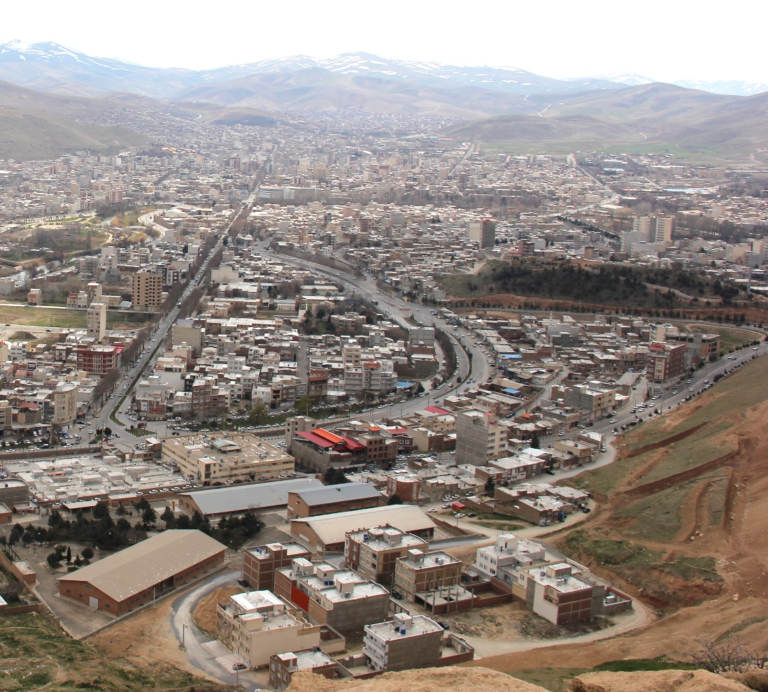
Understanding healthy city assessment tools for better local decisions

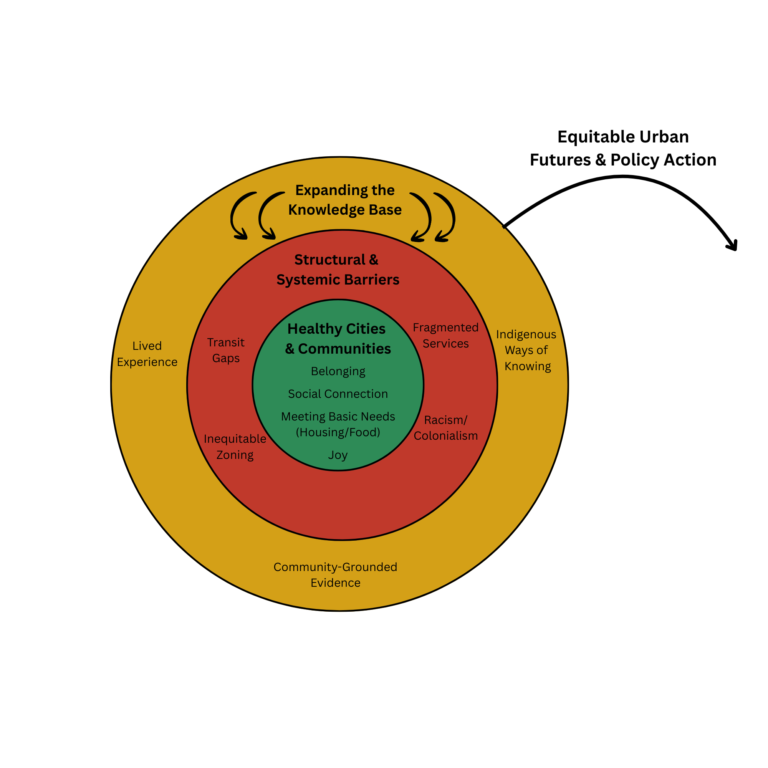
Cities increasingly rely on assessment tools to understand whether neighbourhoods and urban systems support health and wellbeing. Yet results can depend on which tool is used. We examined fourteen widely used health assessment tools using a structured analytical framework. Our study shows that divergence is not primarily about which indicators are included, but about how tools operate across multiple layers.

Read More »

Can urban planners and designers fight depression? 

This study analysed thirteen neighbourhoods across four Israeli metropolitan cities from a cross-typological perspective to identify meaningful depression patterns and their links to neighbourhood design. The study suggests that while it is clear that urban planners cannot control all features associated with depression, they have at least the power to address the physical features associated with the neighbourhood, such as densities, street networks, building forms, and open spaces.

Read More »

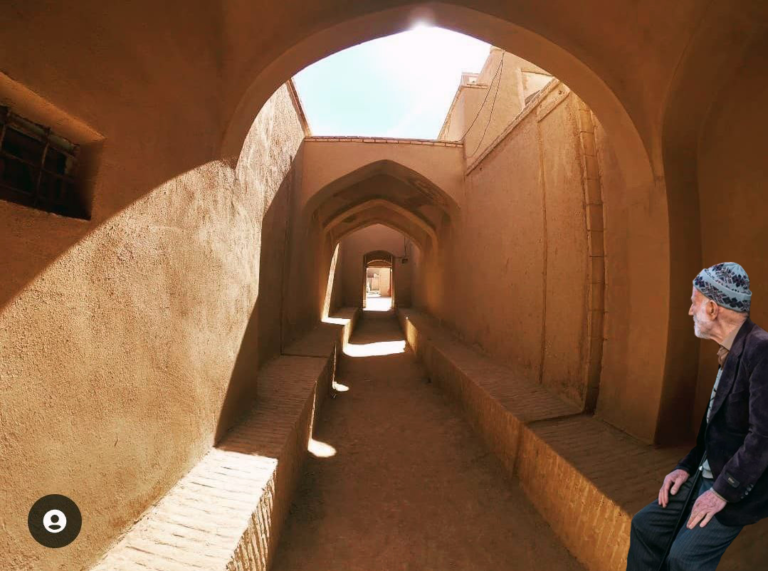
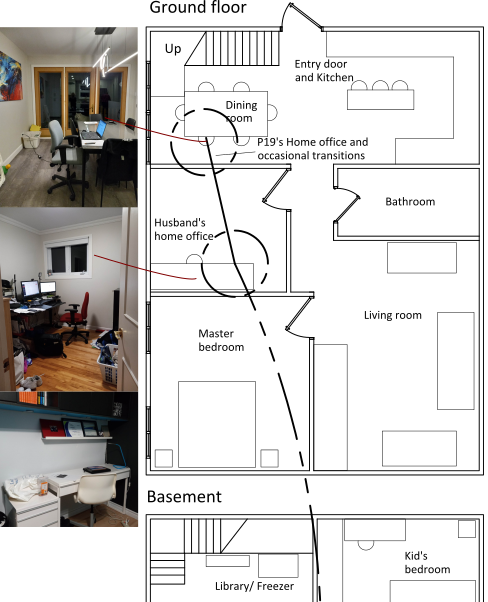
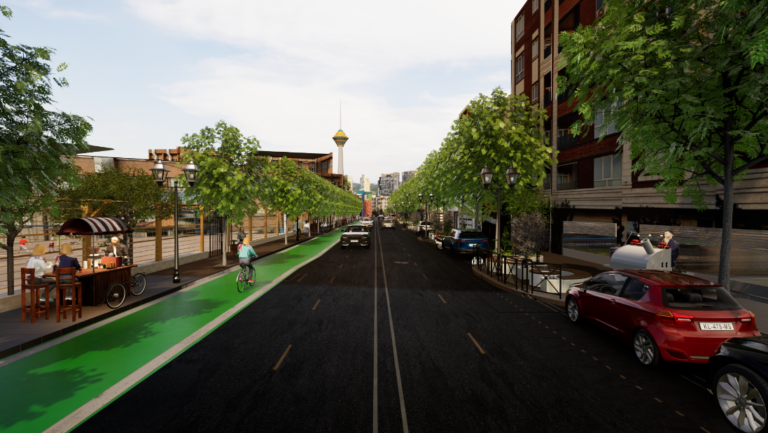
Public life in Tehran, during and after the pandemic

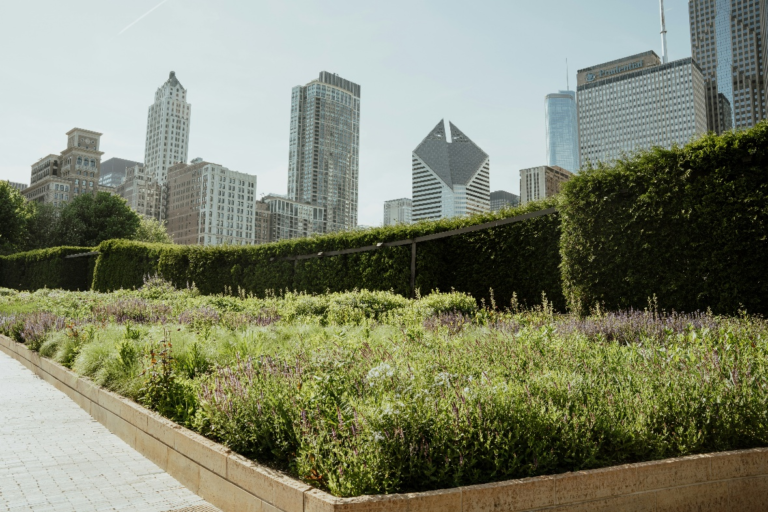
Our work shows the suitability of using Gehl and Svarre methods even during unexpected situations like the pandemic to study public life. Furthermore, the results provide a comprehensive view of public life in Tehran which has not been done before. This study shows the importance of plazas and urban green spaces during the pandemic for maintaining the public life and people’s physical activity.

Read More »