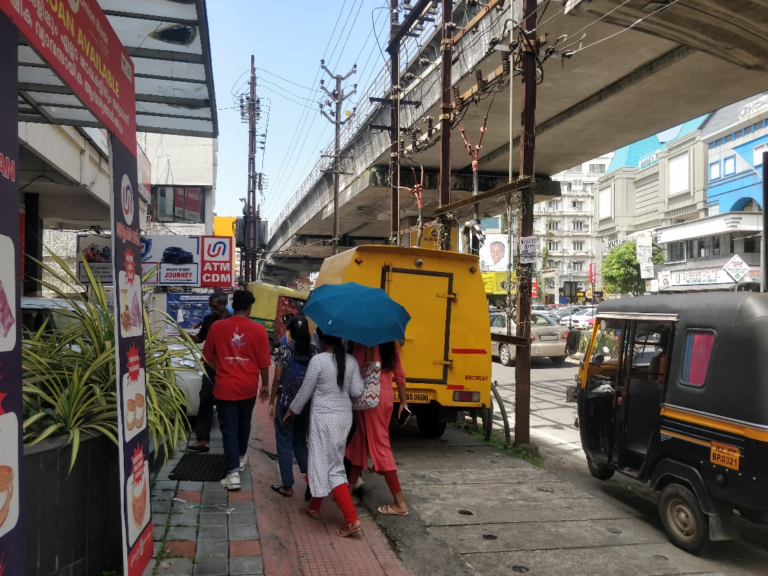
How does the built environment and traffic impact air pollution, and what does this mean for public health? 

Air pollution threatens public health globally. Our exposure to air pollution is influenced by transport. Transport is both a prominent source of air pollution and an important determinant in our exposure to it. The built and natural environment also dictate how, when and where we travel, and what we are exposed to. We provide a comprehensive review of these relationships and their interactions.

Read More »

Natural experiments in urban air quality in Rwanda

To understand the current drivers of air pollution, we used two natural experiments (Car-Free Day and COVID-19 Lockdown) to examine their impact on air pollution using particulate matter air pollution data in Kigali City. The health impact of non-motorized transport events in Kigali, known as ‘Car-Free Days,’ goes beyond just mass physical exercise. Importantly, it has reduced air pollution by 15%, this is expected to save more than 200 disability-adjusted life years annually.

Read More »

Want diversity? Collaborate and plan with members from equity-deserving groups 

People from equity-deserving groups have unique needs, barriers, and priorities that need to be addressed in order to create inclusive and accessible active transportation. This paper highlights some of the complexities of planning for different cultures, languages, ages, and abilities. Recommendations are made to support municipalities with creating better active transportation infrastructure and policies.

Read More »

Urban design as an antidote to loneliness?

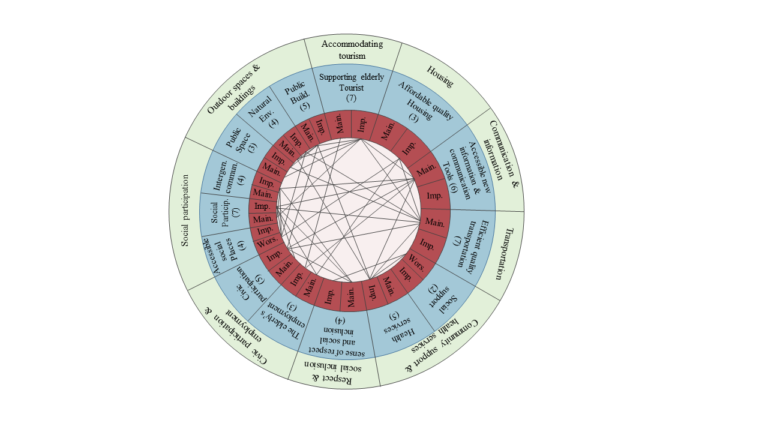
Recognizing the challenges of social isolation and loneliness among the aging population; research attention is turning to explore the social dimension of urban design and questions of how the built environment can support social interaction. In the rapidly evolving context of transit-based urbanism, urban spaces not only enhance the city’s overall livability but also offer older adults increased accessibility and interaction opportunities beyond their immediate residential neighbourhood, potentially alleviating feelings of social isolation and loneliness.

Read More »