Designing residential open spaces that encourage children’s everyday movement
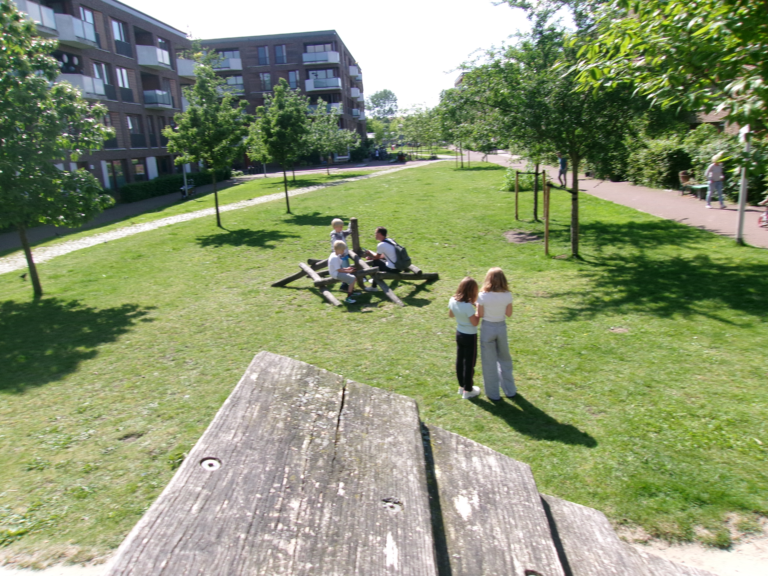
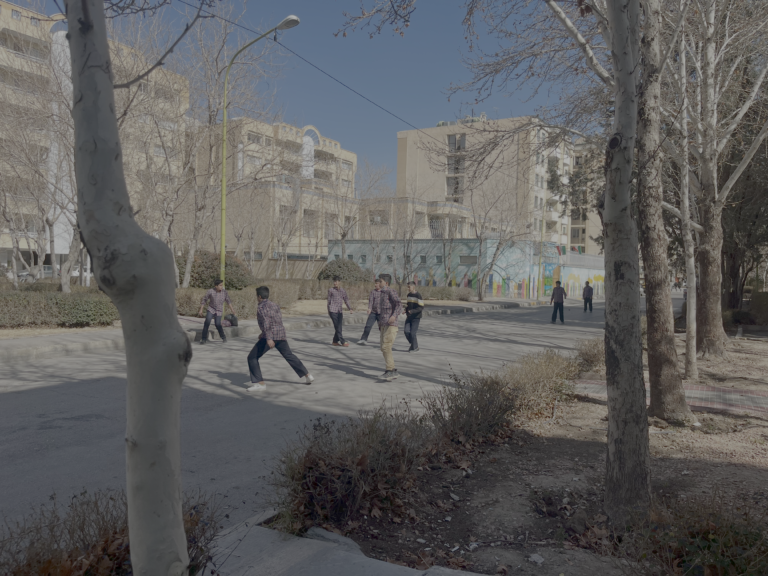
Children’s daily movement is shaped by how residential open spaces are designed. Our findings show that small spatial adjustments—such as connected pathways, flexible play zones, and improved visibility—can significantly enhance children’s physical activity. These insights help cities create healthier living environments.