


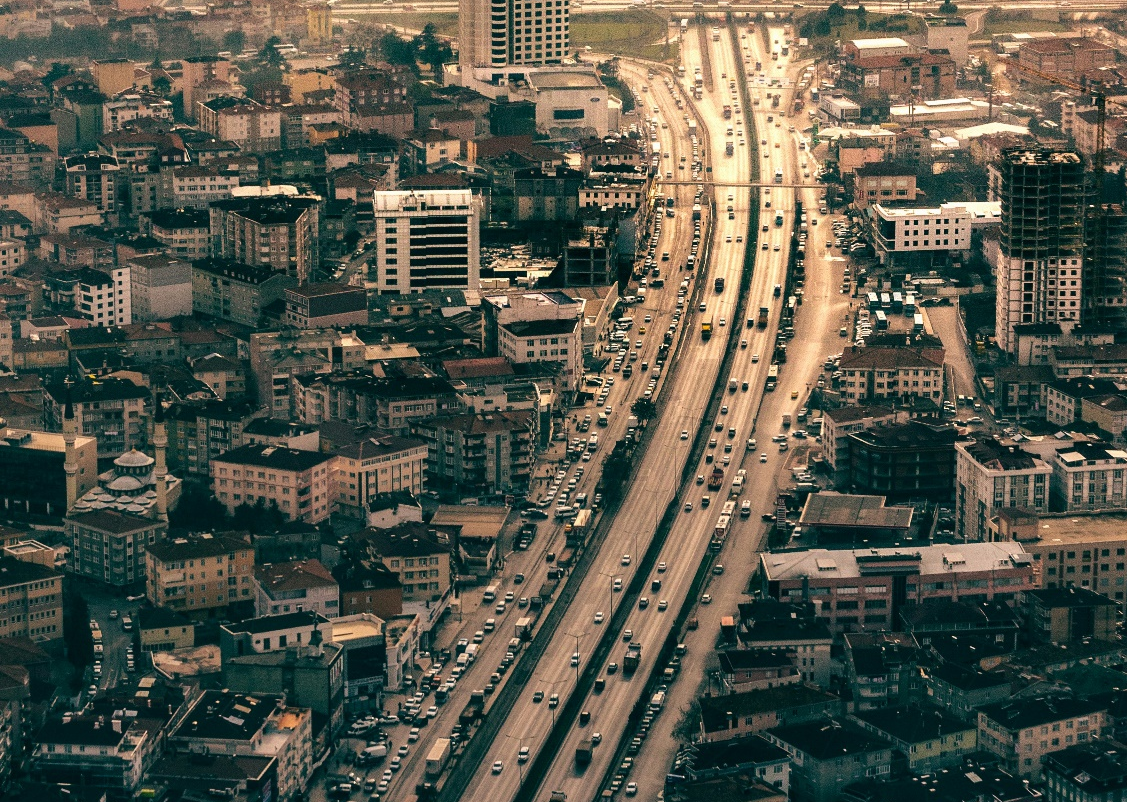
Unplanned and rapidly expanding urbanization, crowded living conditions, and air pollution pose serious threats to maternal health. Research shows that, contrary to expectations, traffic noise does not play a decisive role in preterm birth. Strategic actions to improve urban health can help babies start life healthier and stronger.
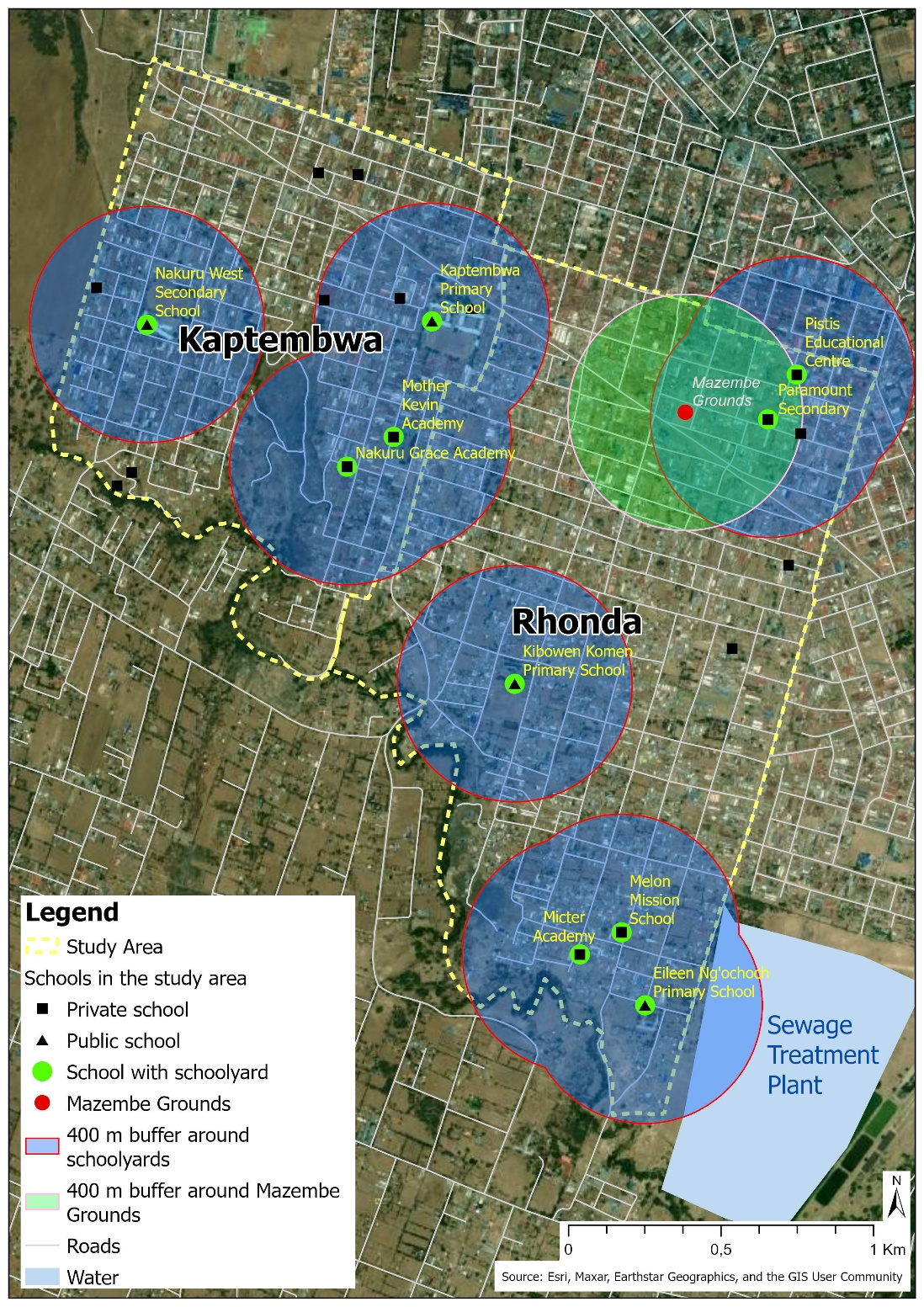
Across many cities, residents of informal settlements lack safe, nearby green space. Using Nakuru (Kenya) as a testbed, we show how opening schoolyards to communities outside school hours can rapidly expand walkable access at minimal cost. With basic security and governance measures, this dual-use model can advance health equity and resilience.
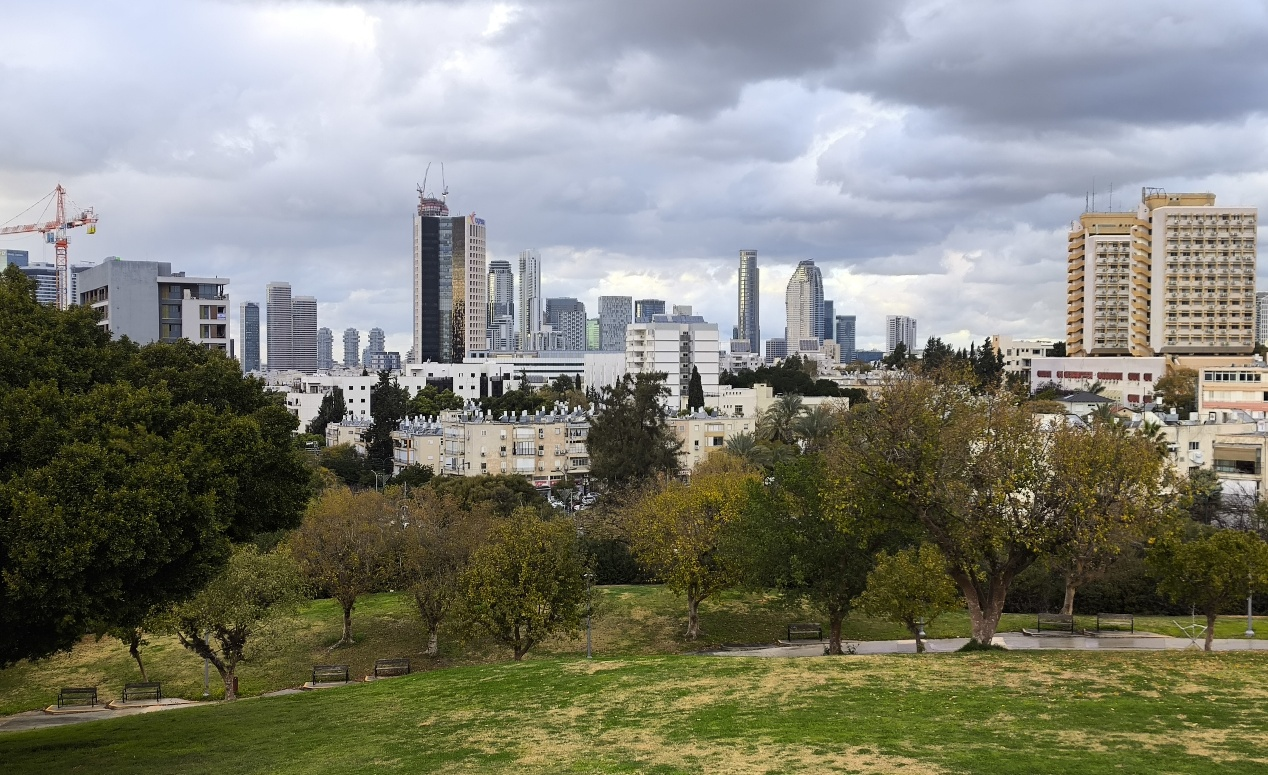
This study analysed thirteen neighbourhoods across four Israeli metropolitan cities from a cross-typological perspective to identify meaningful depression patterns and their links to neighbourhood design. The study suggests that while it is clear that urban planners cannot control all features associated with depression, they have at least the power to address the physical features associated with the neighbourhood, such as densities, street networks, building forms, and open spaces.

Deaths by suicide are the leading cause of violent death. Suicide is a silent plague that is killing people daily in different cities and towns of Spain. Is the type of settlement and air temperature affecting the probability of killing yourself? What we can deduce from statistical models.
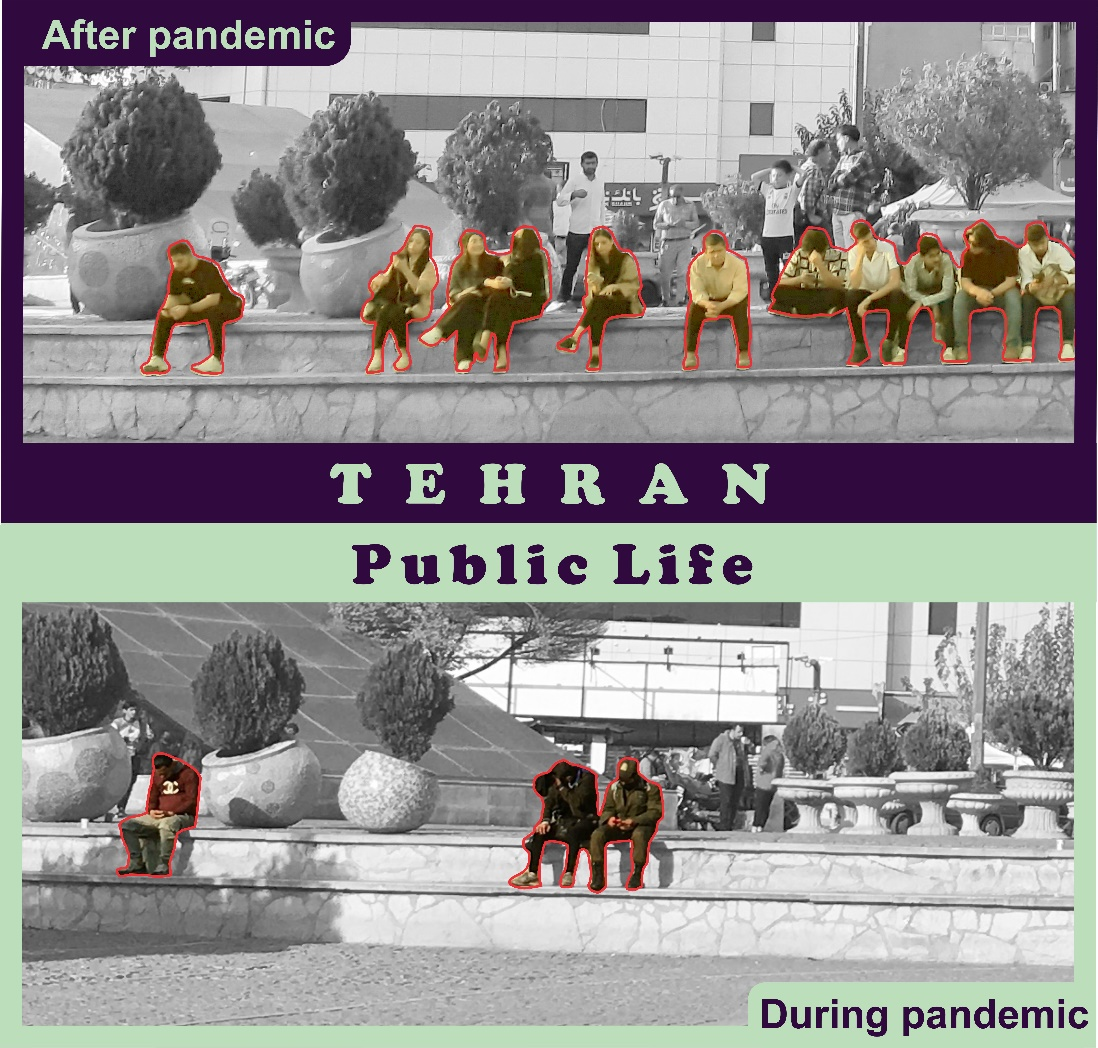
Our work shows the suitability of using Gehl and Svarre methods even during unexpected situations like the pandemic to study public life. Furthermore, the results provide a comprehensive view of public life in Tehran which has not been done before. This study shows the importance of plazas and urban green spaces during the pandemic for maintaining the public life and people’s physical activity.
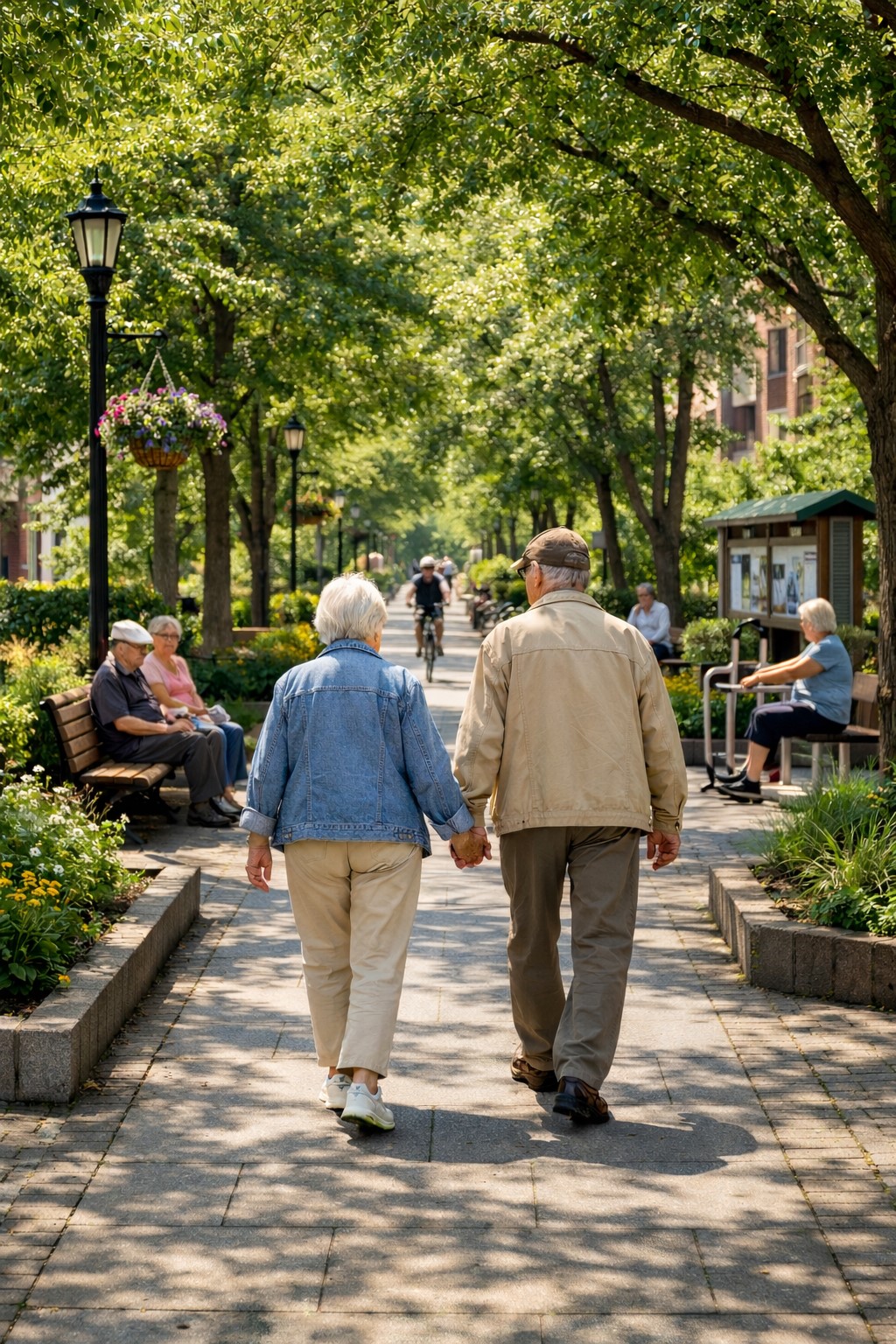
As cities age, are we ready to meet the needs of aging residents? This review shows how rethinking urban planning, green spaces, and better accessibility can make cities healthier and more inclusive for older adults. It highlights what’s working, what's missing, and what cities can do better.
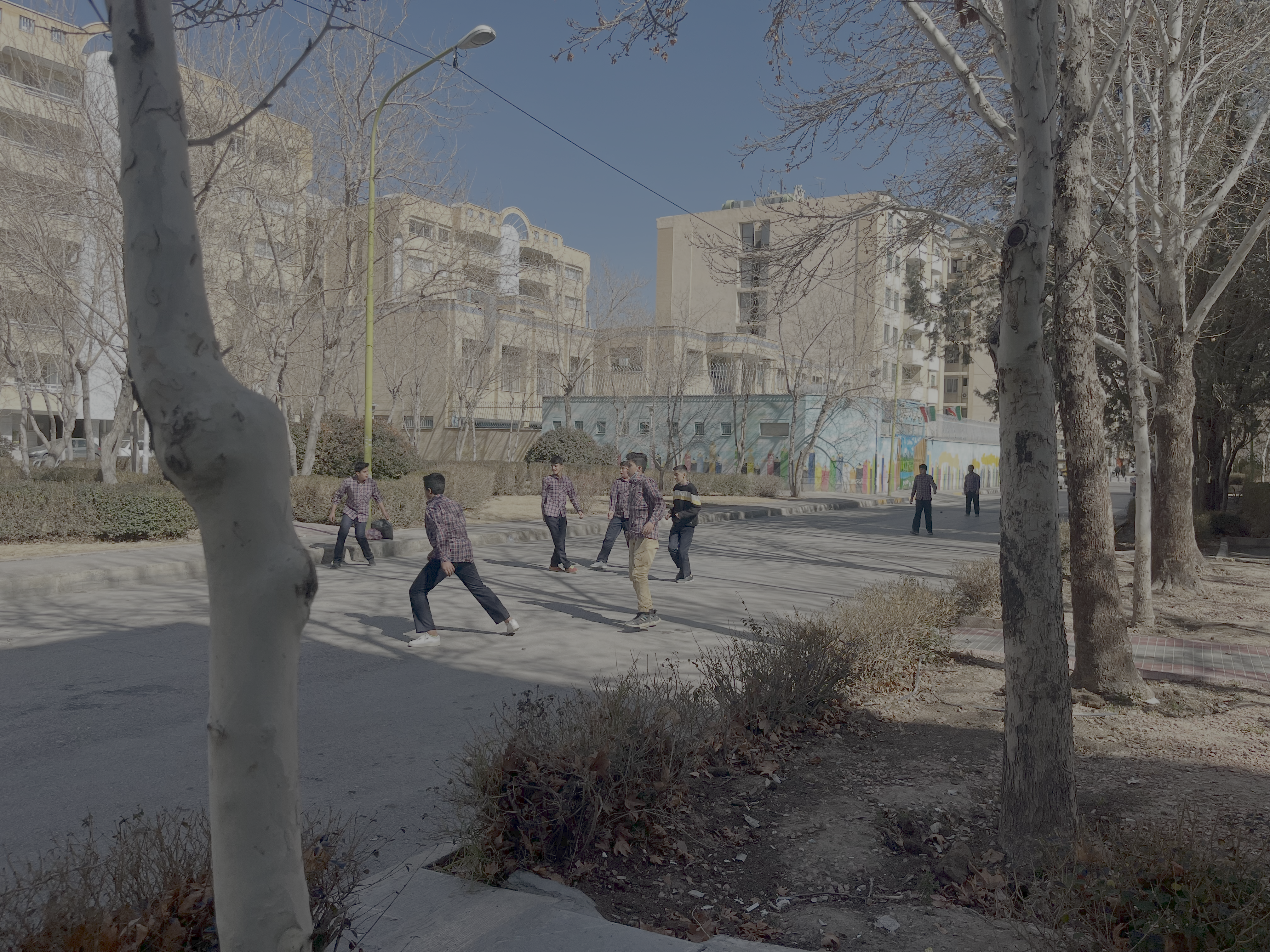
Children’s daily movement is shaped by how residential open spaces are designed. Our findings show that small spatial adjustments—such as connected pathways, flexible play zones, and improved visibility—can significantly enhance children’s physical activity. These insights help cities create healthier living environments.
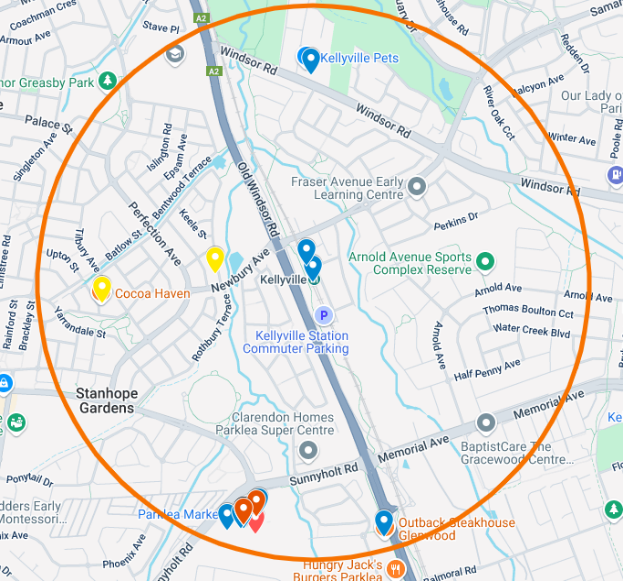
The built food environment has a significant influence on population health, for better and for worse. Evidence shows that urban planning can play a major role in creating food environments that support healthy food choices; however current transit-oriented developments have not yet considered access to healthy food outlets. We found evidence that a high proportion (79 – 84%) of food outlets could be classified as ‘unhealthy’ across eight transport hubs identified for accelerated development in New South Wales.
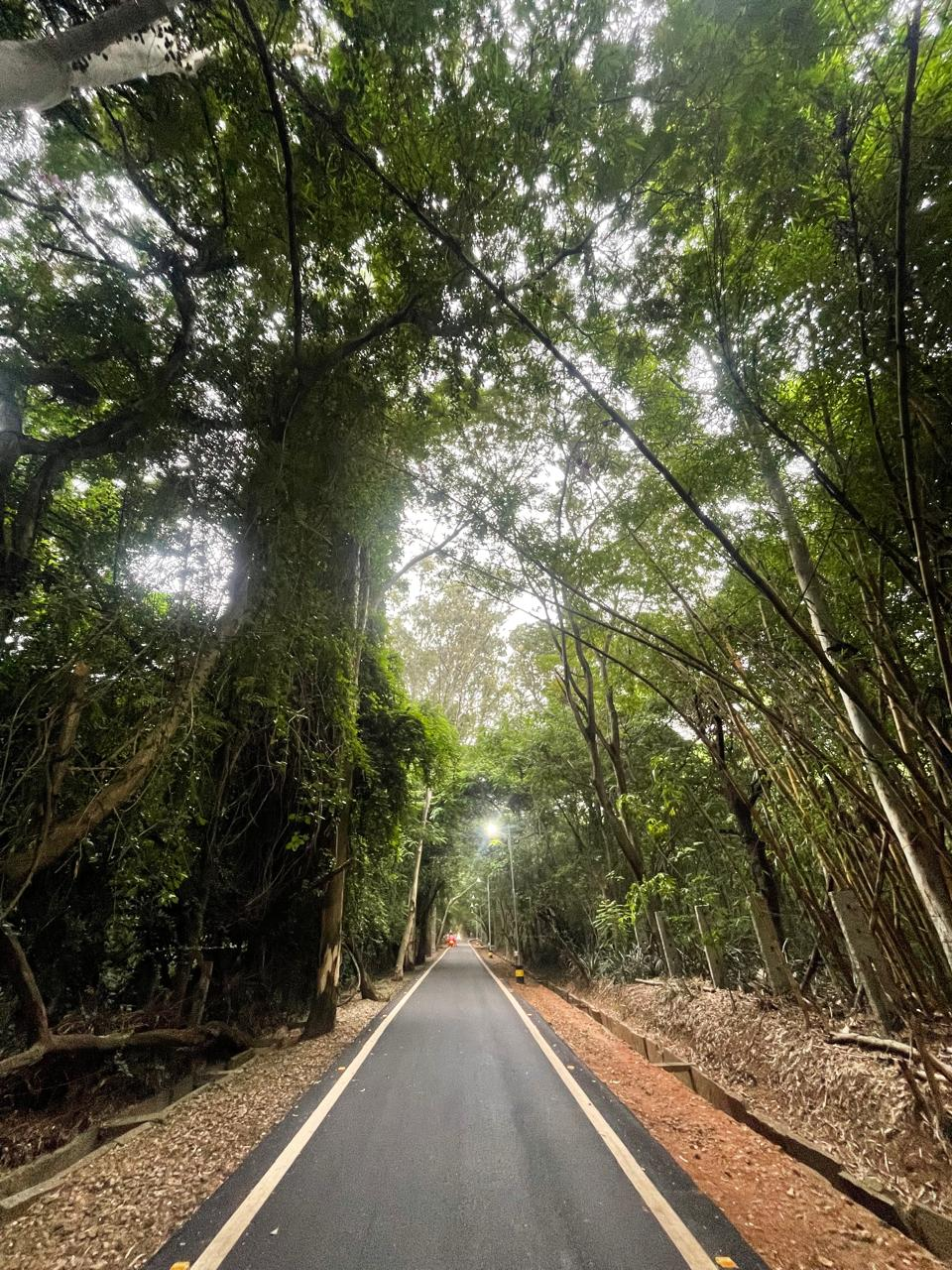
Our study explores how perceptions of urban green space quality and accessibility relate to loneliness in urban India. Findings show that subjective experiences, design features, and feelings of social exclusion shape engagement with green spaces. Inclusive, safe, and emotionally responsive green space design is crucial for reducing loneliness.Important to note; our study advances urban health and planning research by demonstrating that loneliness is shaped more by perceived quality and emotional experience of green spaces than by their physical presence alone.
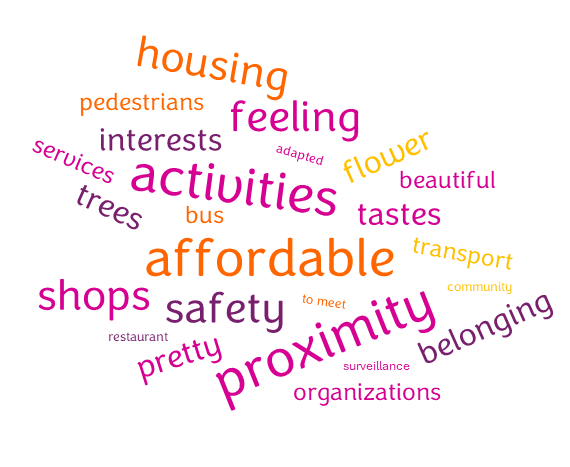
Addressing social participation needs of older adults at risk of marginalization in a revitalization
Considering the increase in loneliness and isolation, and importance of creating inclusive communities, this study explored older adults’ social participation needs, facilitators and barriers during a downtown revitalization. Findings highlighted the signification of inclusive environments, and importance of accessibility to activities and resources, affordable transportation and housing, and information about participation opportunities.
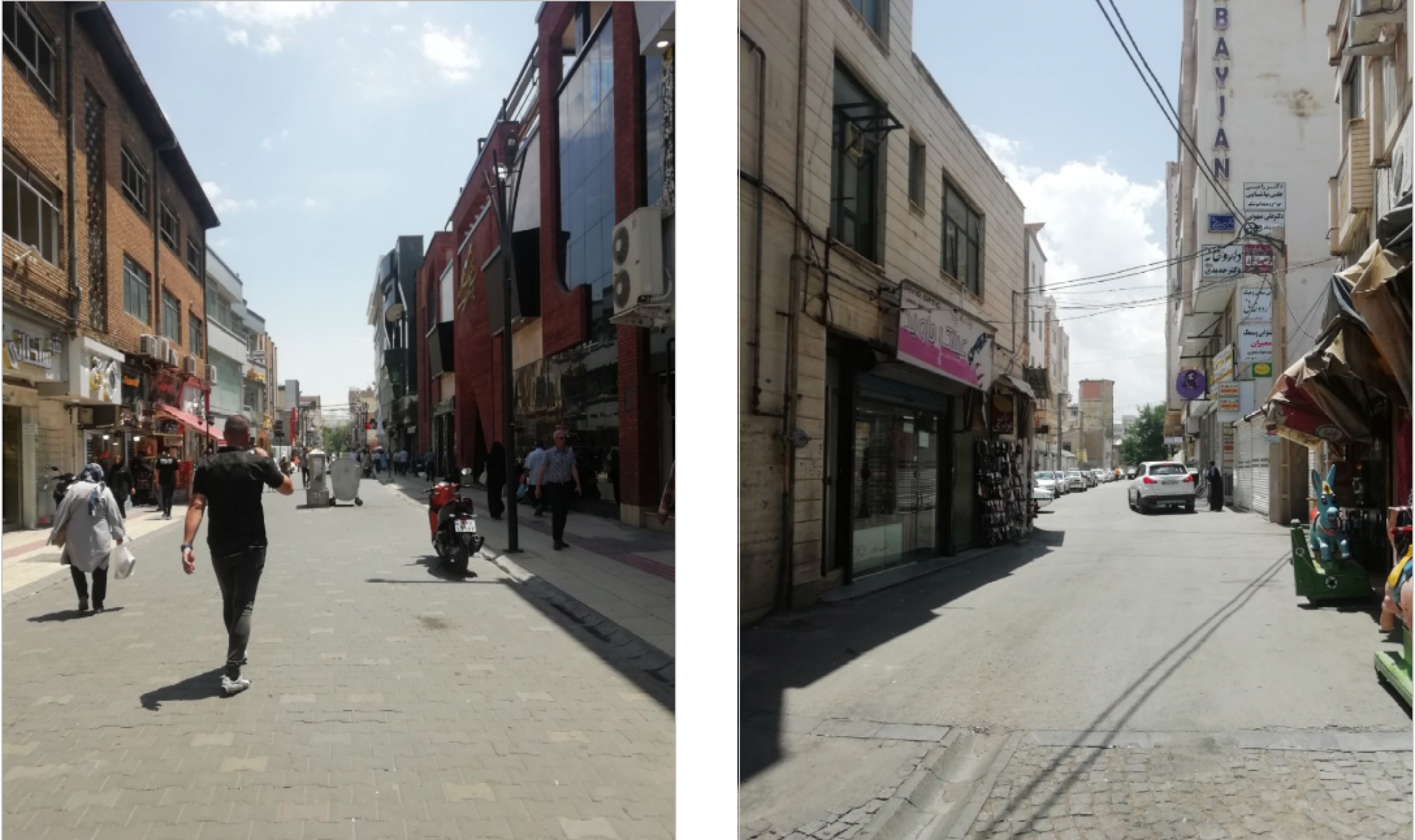
The high concentration of people and activities in cities makes them vulnerable to various stressors such as natural and man-made disasters. In the recent pandemic, the cities are the places where the transmission started. We investigated the impact of social, economic, and environmental indicators on the rate of COVID-19 disease in the neighborhoods of Urmia City, Iran. Our results show that the number of employees, gross residential density, number of elderly people, building density, commercial density and road density have a significant relationship in predicting the epidemic.
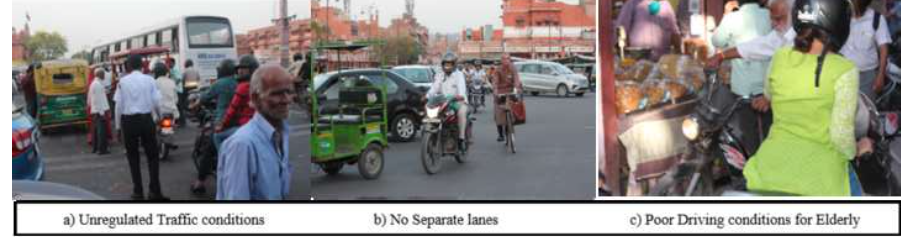
The deterioration of the built environment, as well as poor traffic and pedestrian conditions, creates obstacles to active mobility, active ageing and functional abilities among older adults residing in heritage city cores. This has negative impacts on their social inclusiveness, quality of life and well-being. The walled city, which encompasses Jaipur’s heritage neighbourhood, is one of the few planned cities in India, extending back to the 18th century, and is considered a tourist attraction. With an in-depth study, we use Jaipur's walled city to examine how supporting a better quality of life for an ageing population can have co-benefits for the tourism economy.