


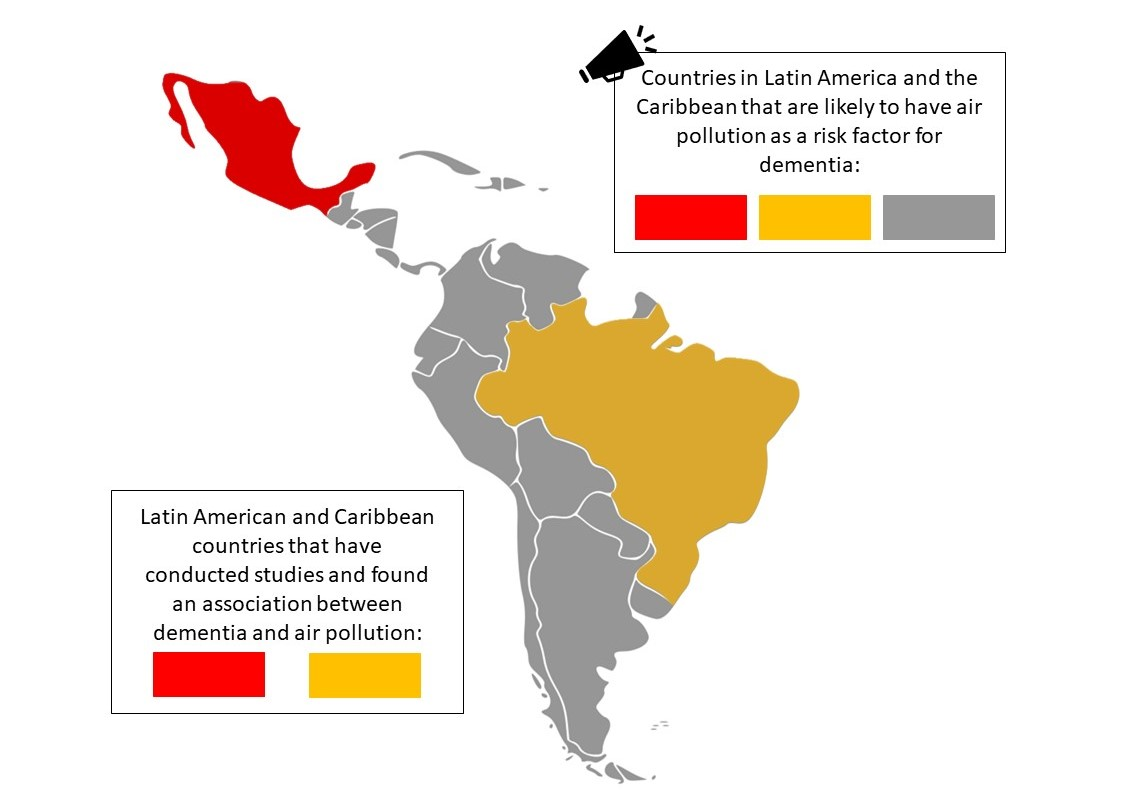
Air pollution is linked to a high risk of dementia. However, it is concerning that only two Latin American countries are studying this association. We wanted to establish whether the association has been described in this area of the world, how often it has been done and what policies have been generated from it to intervene.

How do children perceive and interpret different noises and how their personal experiences correlate with objective measurements? What are the long-term repercussions of sustained noise exposure during the formative years on adult cognition, behaviour, and health outcomes?
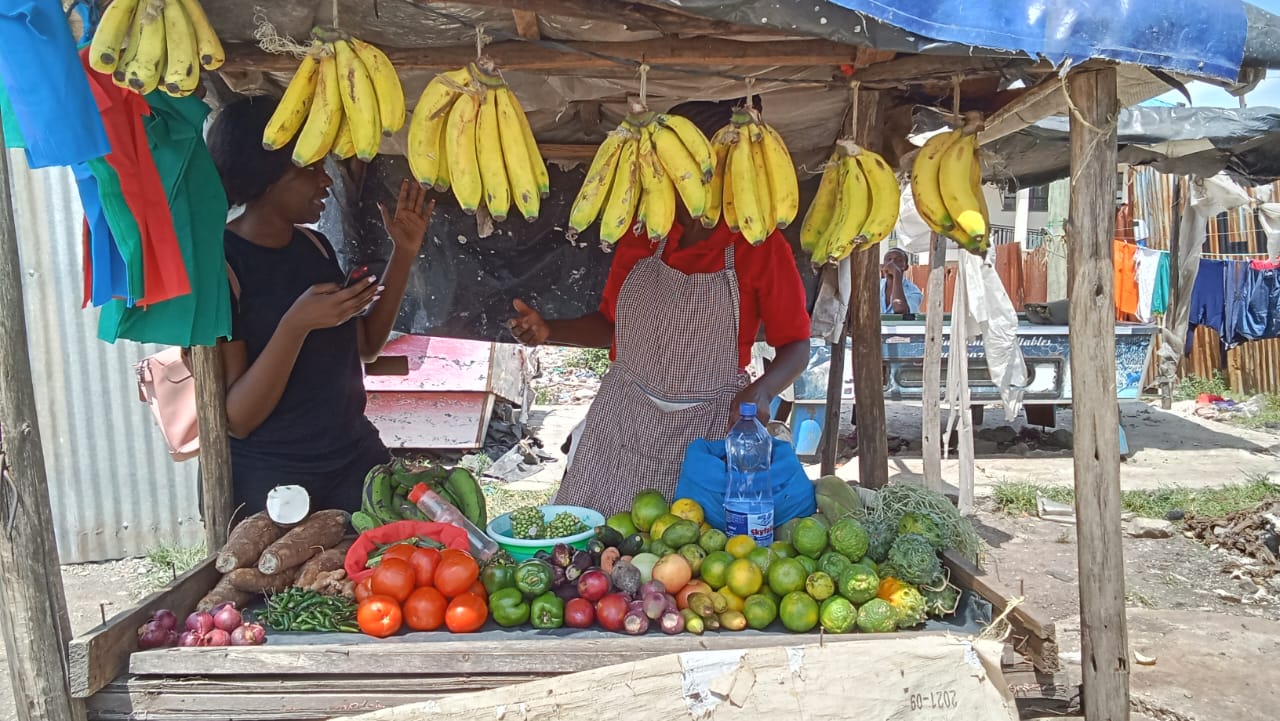
We examined the factors that limit and enable the uptake of healthy diets among urban populations with multiple socio-economic vulnerabilities. By exploring the interconnected economic, social and environmental influences, we aimed to generate context-specific evidence that can inform effective and targeted action to support progress towards achieving global nutrition targets in the context of triple burden of malnutrition and increasing concern on high incidences of diet-related diseases in rapidly urbanizing areas.
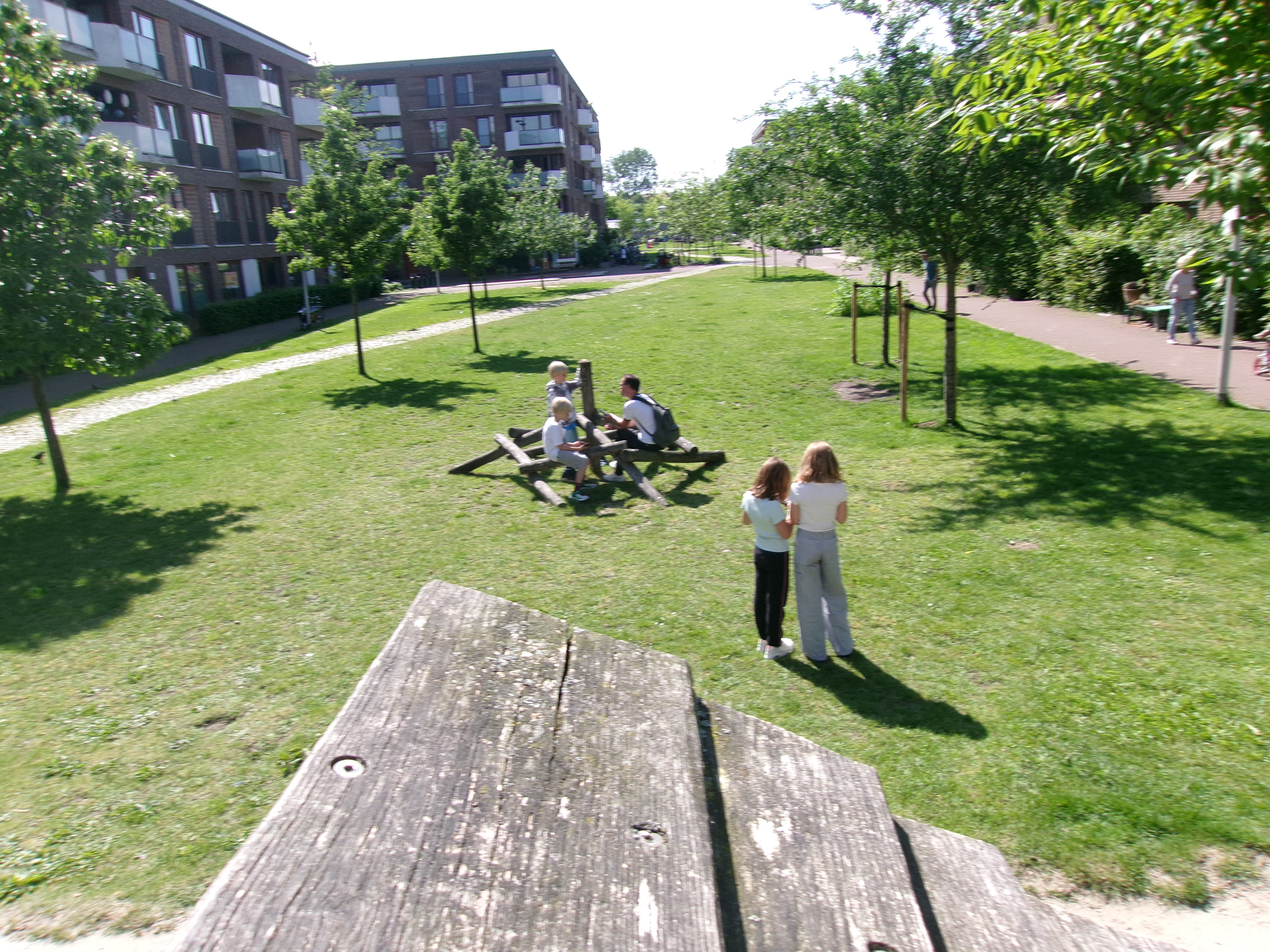
How do children experience and perceive the public space in their own neighborhood? And what are the environmental factors that encourage and hinder children from playing outside? In this article, Dutch children explain what they see as a play-friendly city.
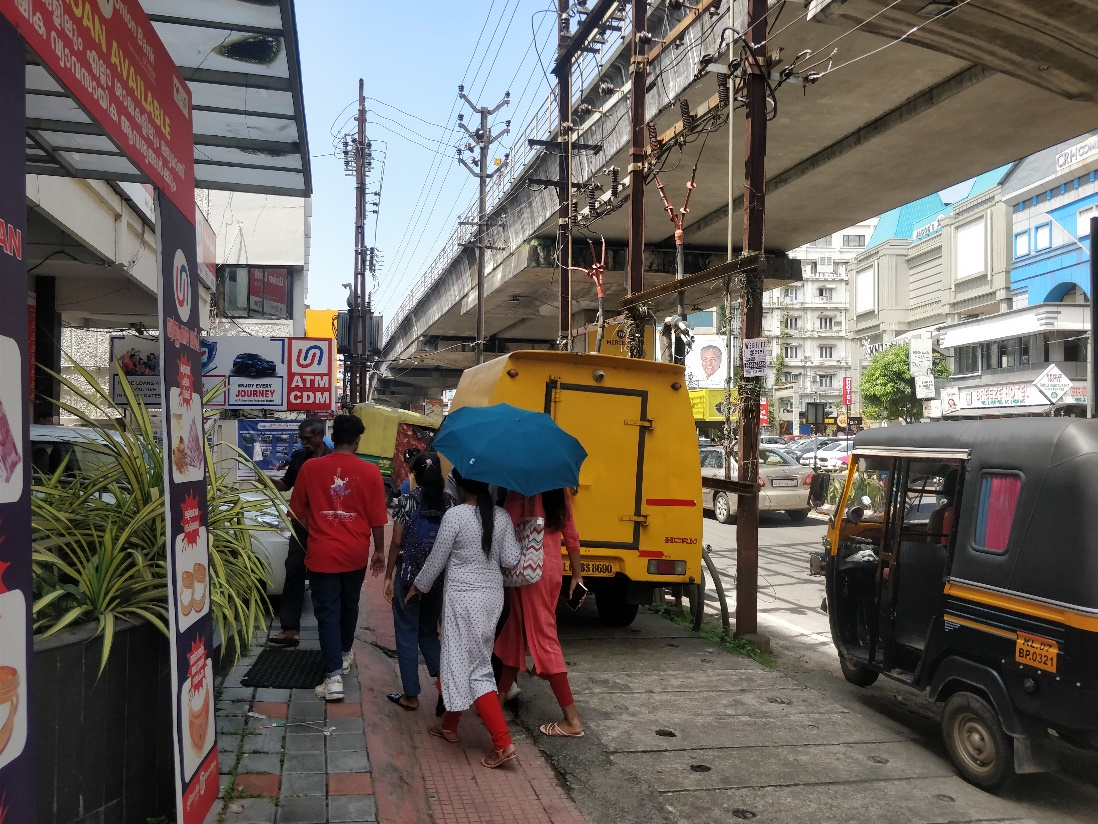
Uninterrupted pedestrian flow is key to walkable, inclusive cities. This study explores how sidewalk conditions, user conflicts, and weather disruptions affect movement. By identifying key qualitative factors, we propose a user-focused method for assessing and enhancing sidewalk Quality of Service (QoS).

This research extends existing scholarship by contextualizing Healthy City principles within Saudi Arabia’s specific climatic conditions, demographic transitions, and centralized governance structures. Rather than advocating direct replication of international models, the study emphasizes learning from international experiences to inform context-specific strategies aligned with Vision 2030 and national sustainability priorities. By interpreting international experiences within Saudi urban realities, this work provides a geographically specialized and policy-relevant contribution to the discourse on sustainable and healthy urban development.
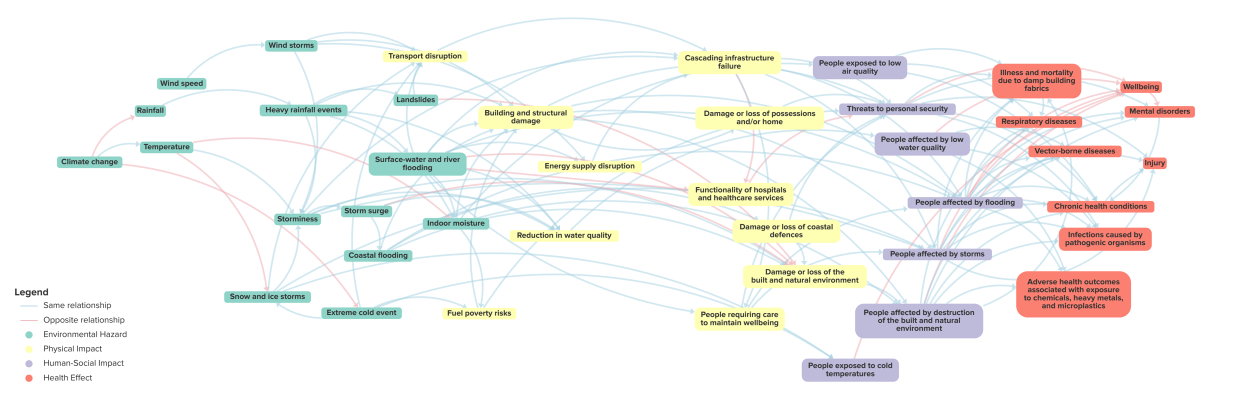
Climate change influences everybody in every sector. We gathered available evidence on the impacts of climate change and potential adaptations now and in the future in the UK. From this review, we developed systems diagrams that visualise the evidence in an accessible and interactive manner to facilitate the climate change planning process. These diagrams are part of the Local Climate Adaptation Tool (LCAT) which was co-produced with Cornwall Council and a National Stakeholder Group of local decision-makers. New interactive diagrams have been produced to show how and where climate change impacts occur, why they are interconnected, and their consequences on human health and wellbeing. These diagrams are part of the Local Climate Adaptation Tool (LCAT).
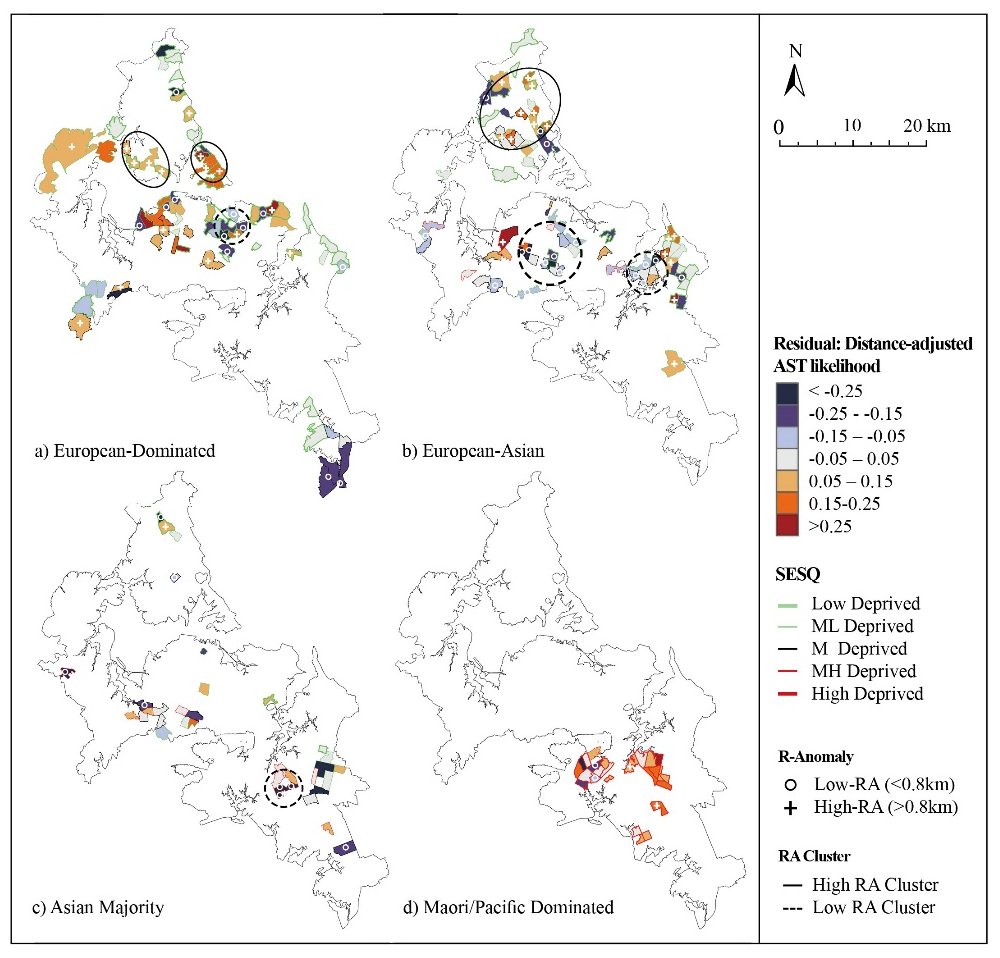
Our study examines how school accessibility, neighbourhood income, and ethnic composition jointly influence children’s propensity for active school travel in Auckland. We identify culturally specific patterns and spatial clusters, offering evidence to guide targeted policies for more equitable walking commutes.
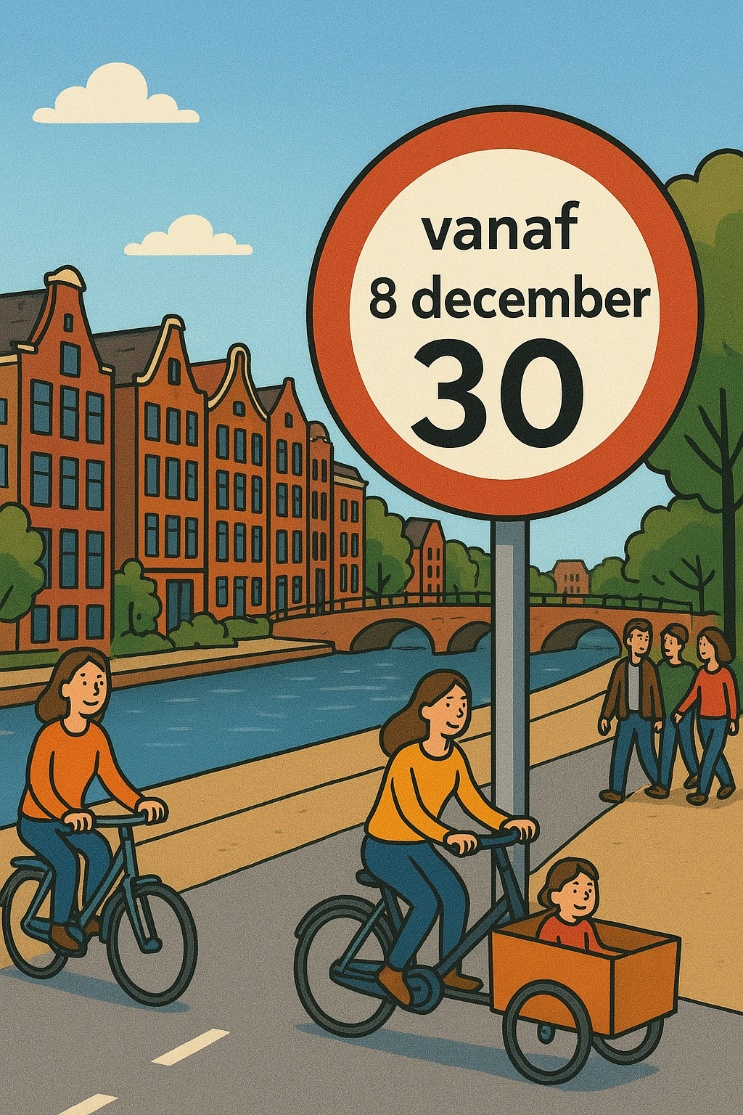
We conducted a natural experimental study of Amsterdam’s city-wide 30 km/h policy.. When cities reduce traffic speeds, people move and connect more. Amsterdam’s city-wide 30 km/h limit increased children cycling by 86% and social interactions among adults by 75% on intervention streets, showing that speed limits can shape healthier, more connected cities.
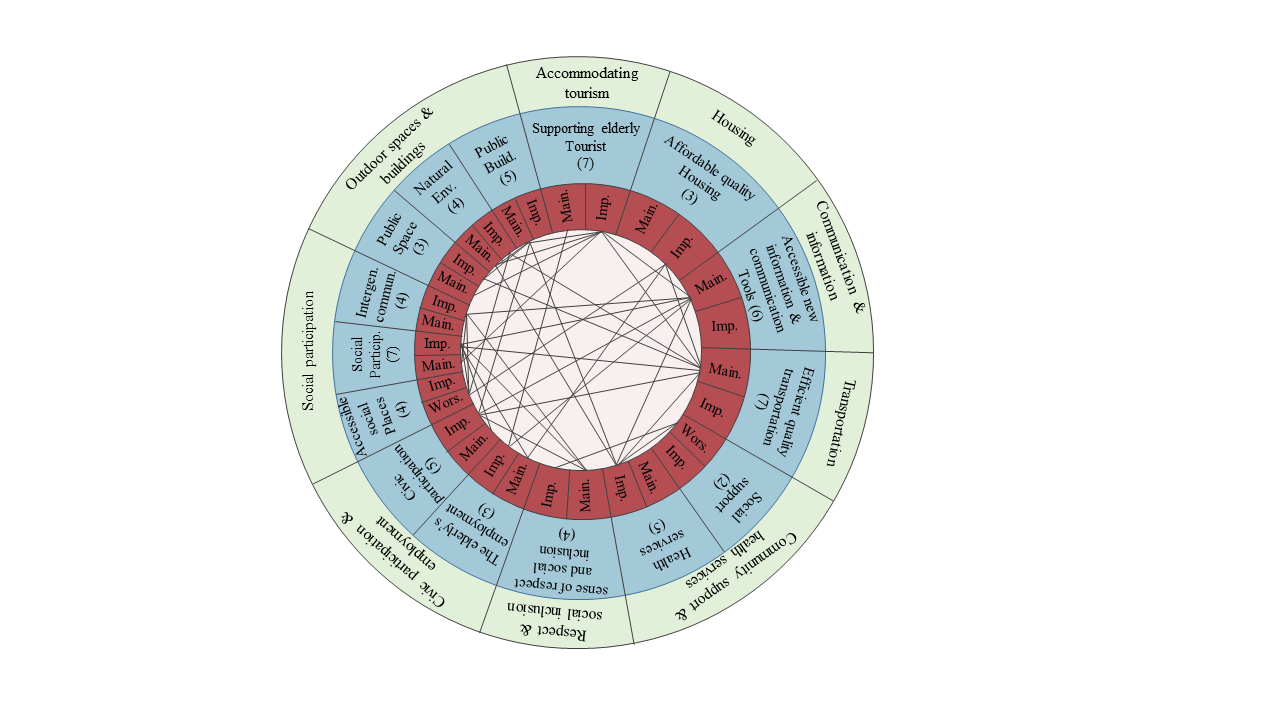
The elderly should be able to travel and have fun like everyone else and use urban spaces easily, and on this basis, it is necessary to identify dimensions of an age-friendly city that provides the possibility of planning for such environments. We present an approach of bringing the WHO Age-Friendly City framework into urban planning strategic decision-making by using the AIDA (Analysis of Interconnected Decision Areas) model.

Urban environments and public spaces play a crucial role in shaping mental health, life satisfaction, and social connections. Most studies have mainly looked at cities as a general category, but we still don’t fully understand how different kinds of public spaces affect people’s mental well-being. We try to fill that gap by looking at seven types of urban spaces to find out which ones help people feel better mentally.
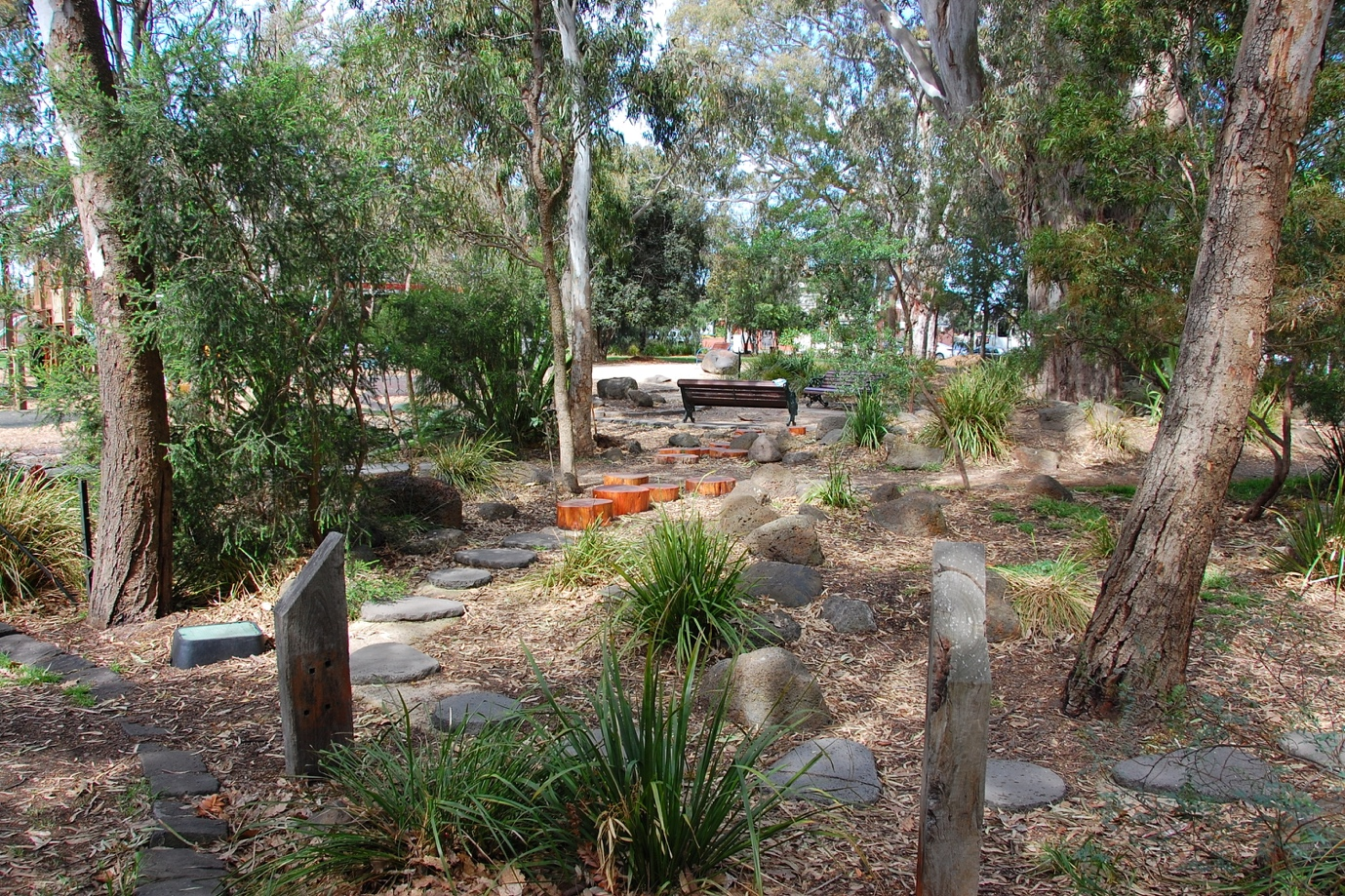
Rates of adolescent mental ill-health have risen sharply in recent decades. Urban parks are valuable mental health resources, yet the mental wellbeing needs of adolescents are often overlooked. I show that by examining planners’ perspectives on why this gap exists helps to illuminate concrete actions and strategies to ensure parks can be healthier and more accessible for all.