


What really matters from the perspective of experts? A set of 114 indicators to measure a city’s health towards building healthy cities in India.
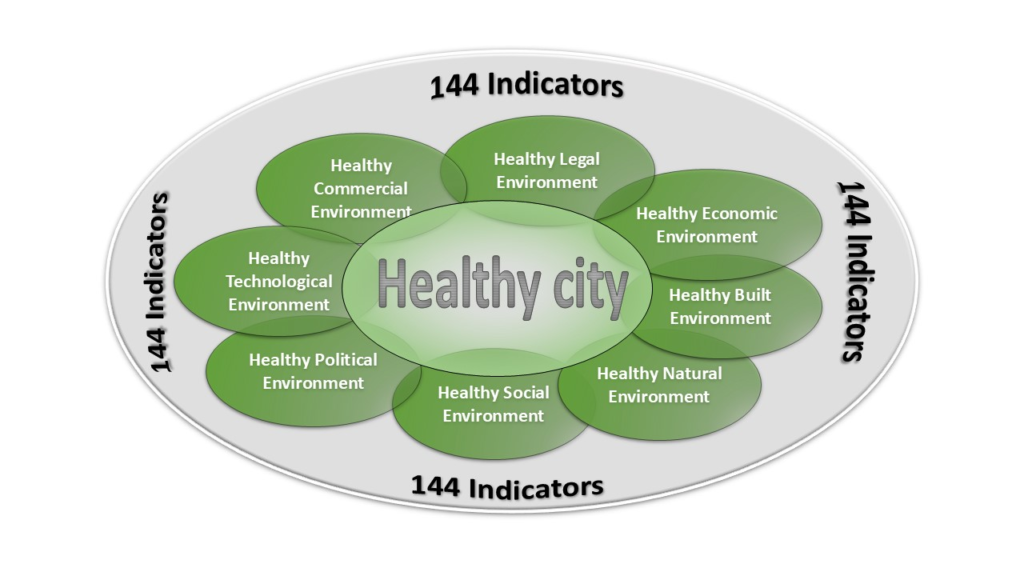
What makes a city truly healthy? This study engaged experts worldwide to identify 144 key indicators across social, economic, environmental, legal, technological, and commercial determinants of health—offering a practical roadmap for India’s mission to build 500 healthy, inclusive, and sustainable cities.
The role of Walkable Cities in improving health, rights, and climate issues from the point of view of citizens
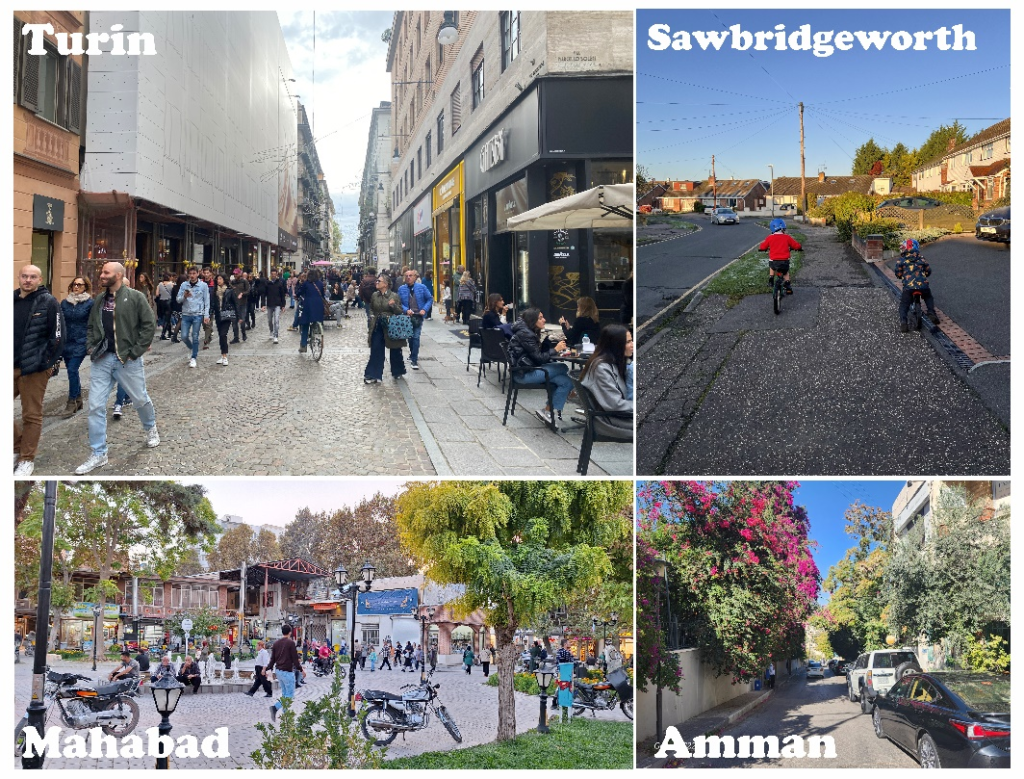
For perestrain-friendly cities, many studies have tried to show the positive outcomes with different quantitative and qualitative analyses worldwide. However, there are almost no studies that focus on citizens’ points of view and how they experience these positive outcomes. Our study aims to fill this gap. We show that designing walkable cities can change people’s perception of space and have positive effects.
Community voices on outdoor gyms: A qualitative study among municipal officials and residents from Arab localities in Israel
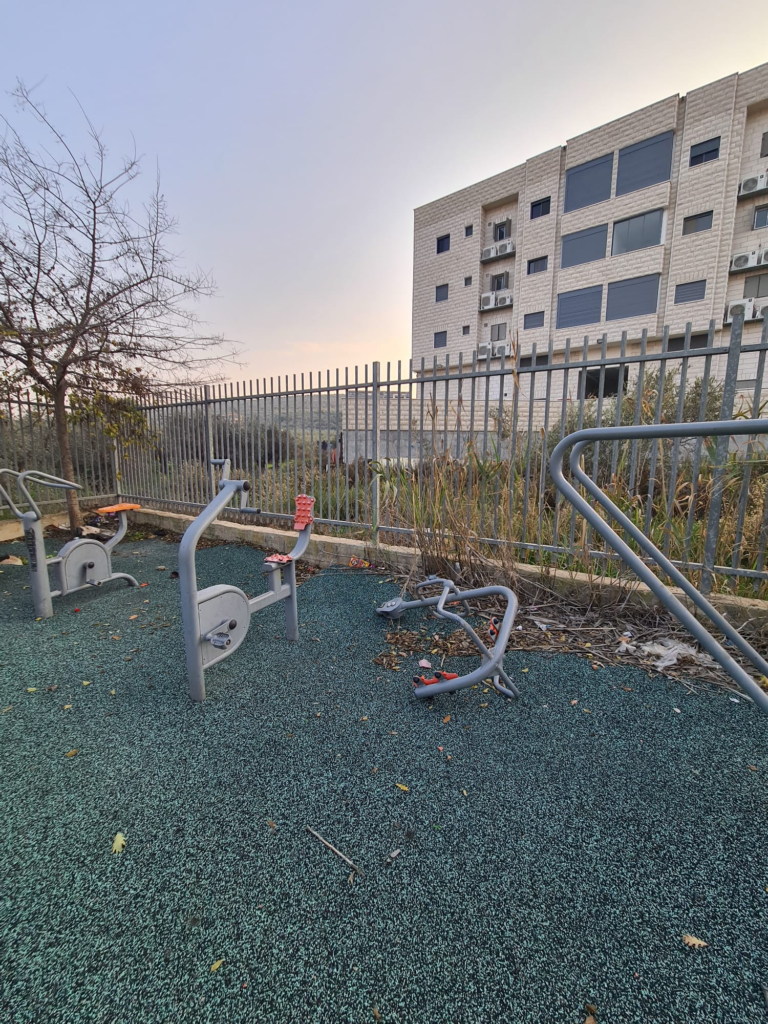
We interviewed ten municipal officials and 23 residents in four Arab towns, and observed five outdoor gyms. We wanted to understand how outdoor gyms are perceived, what barriers limit their use, and what strategies could make them more effective. This was the first study of its kind in Arab towns in Israel, but it also speaks to underserved communities worldwide where informal urban development and limited resources shape access to healthy environments.
Hidden barriers: How citizen characteristics relate to perceived (un)availability of health promoting facilities

Significant health inequalities exist between neighbourhoods. Apart from differences in demographics, the neighbourhood environment including facilities has also been found to have a sizeable effect. Despite various health-promoting facilities being objectively available in neighbourhoods, not all citizens perceive them to be available to them. Therefore, some citizens might not make use of important facilities that improve their health. We need to know more about what predicts perceiving facilities as available besides them being objectively there.
Designing and implementing nature-based intervention, for the health of our community
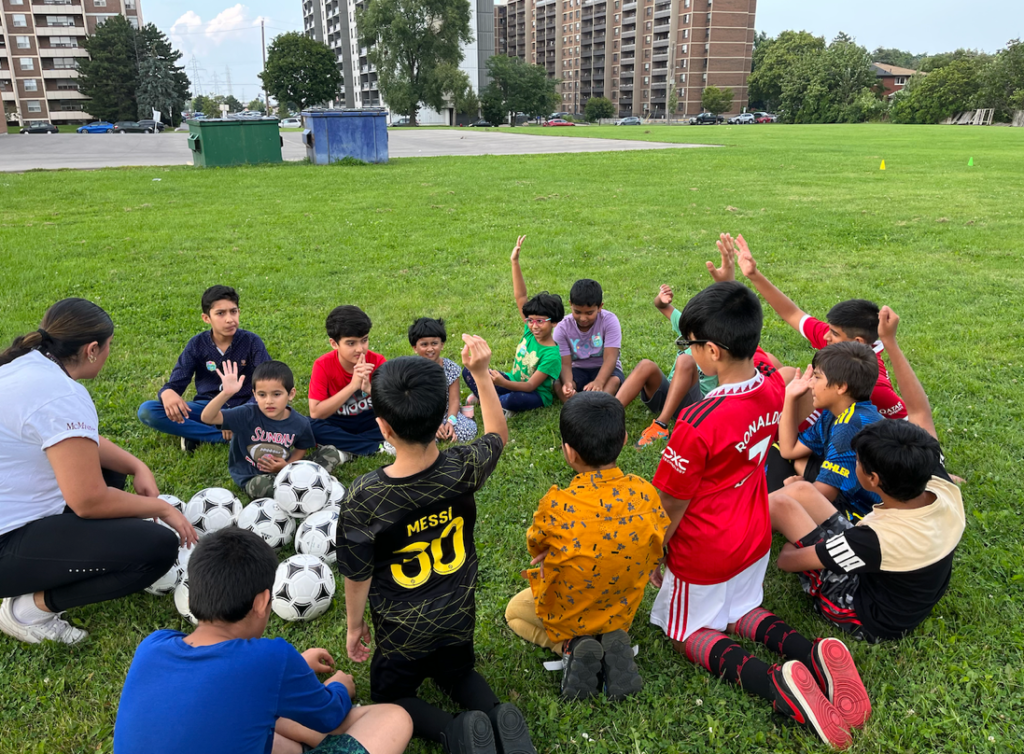
Do we have the potential to combat childhood obesity rates with nature based programs? How does the design of community-based programming play a role?
Our study, analyzing 4,010 articles, reveals nature-based interventions promote healthy living. Focusing on community engagement and program gaps, our research highlights innovative strategies for healthier children. A collaborative approach offers new hope in addressing this global health challenge.
A review of urban green and blue space interventions to prevent violence against women and girls

Our review highlights the lack of urban green and blue spaces interventions to prevent violence against women and girls. We look also at how interventions could prevent violence against women and girls, reduce inequalities, and reshape social, cultural, and societal norms; promoting use of urban green and blue space for women and girls.
Urban streams in degradation: What it means for your health
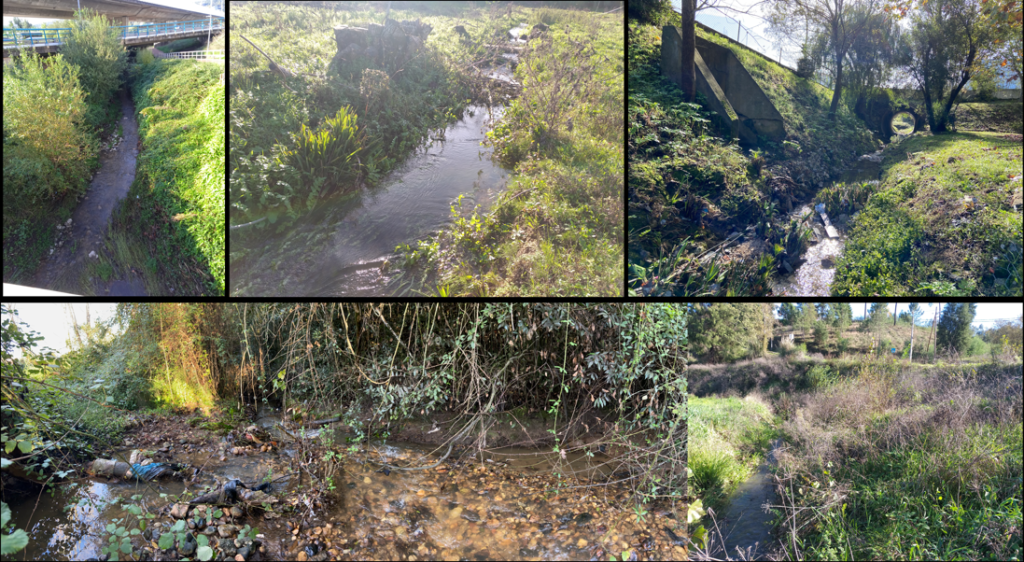
The degradation of the urban freshwater ecosystem has consequences to human population of cities. We proposed and tested an approach to identify and quantify the risk for the populations living near urban streams within the city, due to the degradation of ecosystems services.
Opportunities and challenges of using mobile phone data for evaluating placed-based interventions: A green space pilot
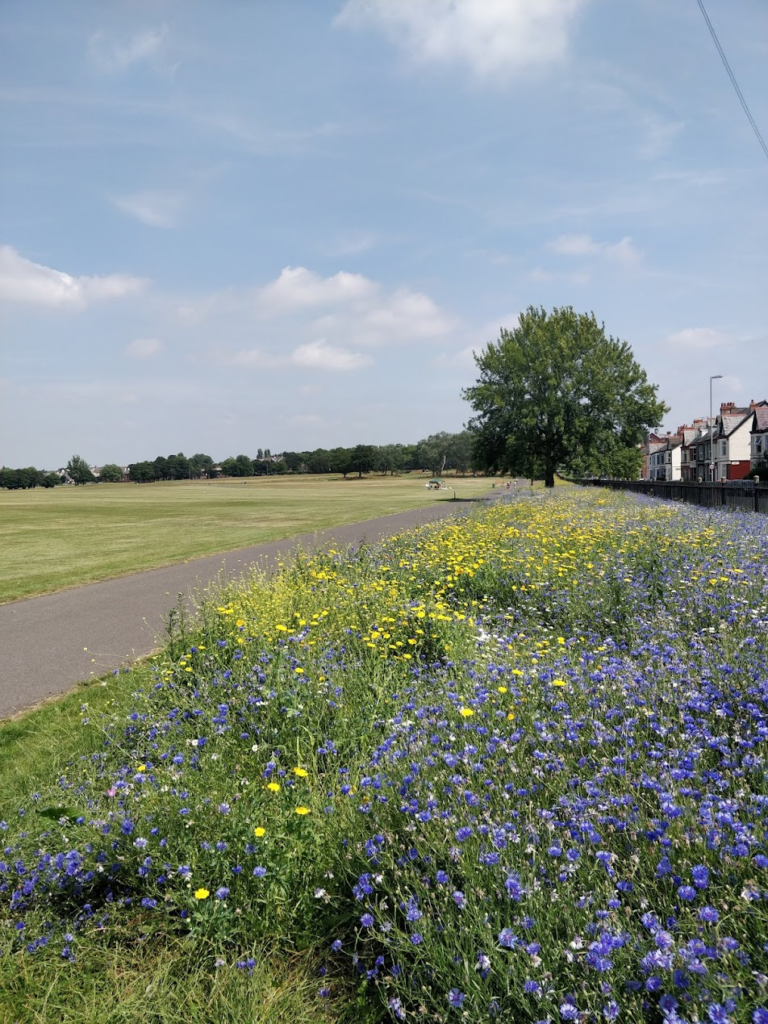
There is limited evaluation of whether green space interventions lead to more people using these spaces. This is partly due to the difficulty of collecting data on visits to green spaces. Mobile phone data may offer one solution, but are rarely made available to researchers. As such, there is less examination of whether these data are valuable. We accessed small area anonymised mobile phone GPS data for Liverpool (2021-2022). Using a case study of wildflower planting, we identified green spaces where wildflowers were planted. A synthetic control was then constructed to identify similar green spaces where planting did not take place. We then compared the number of visits post-intervention between the intervention and control green sites. Our paper also gives an empirical and methodological evaluation of the strengths and weaknesses of using mobile phone data, which can inform others on how to best use them.
Restorative urban wildness for people, biodiversity and urban ecosystems health
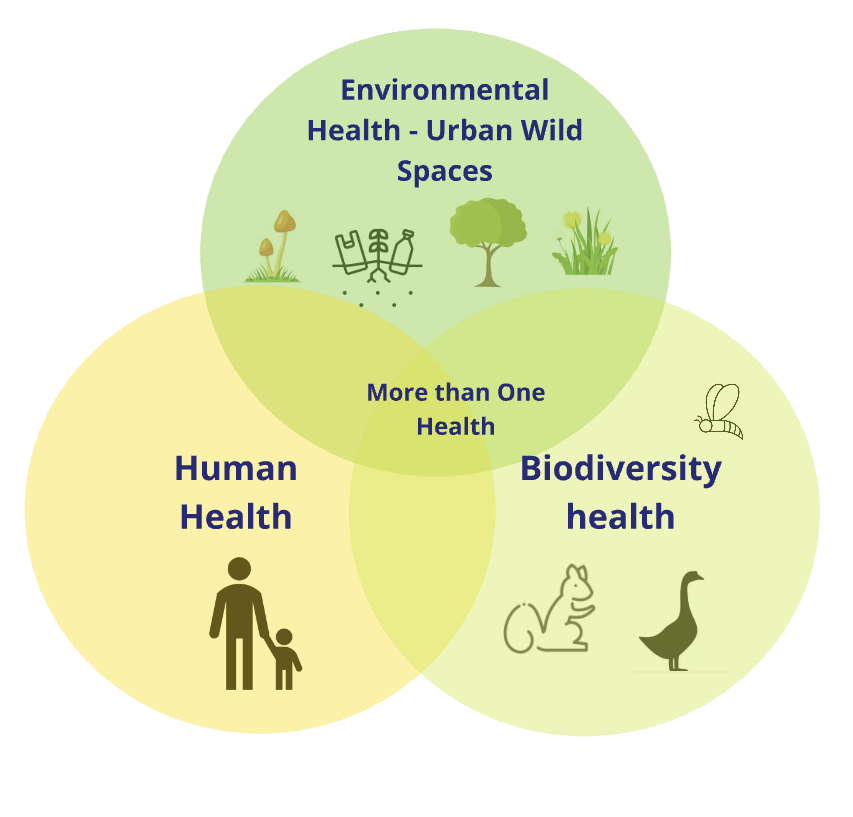
What if urban health went beyond human wellness? Through our more-than-One Health conceptualization, we explored urban wild spaces as places where the health and flourishing of humans, animals, and ecosystems intertwine. This approach provides new insights into designing cities that are not just green, wild, but interconnected as restorative habitats for human and non-human health.
Understanding gardening for wildlife in London’s private residential gardens
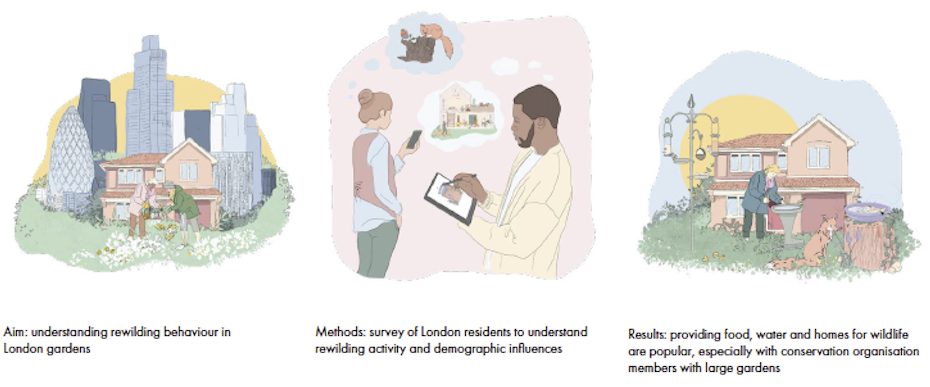
We wanted to understand the types of gardening for wildlife taking place in London’s private gardens and the influence of demographic factors on the likelihood to garden for wildlife. We sent out a digital questionnaire to ask Londoners about their gardening for wildlife practices and their age, gender, ethnicity, religious beliefs, occupation, household income, accommodation type, home ownership status, garden type, shared garden or not, dependents, and conservation-organisation membership status.