


From data to policies. Let the data speak to make local policies more informed about health and social inequalities in health
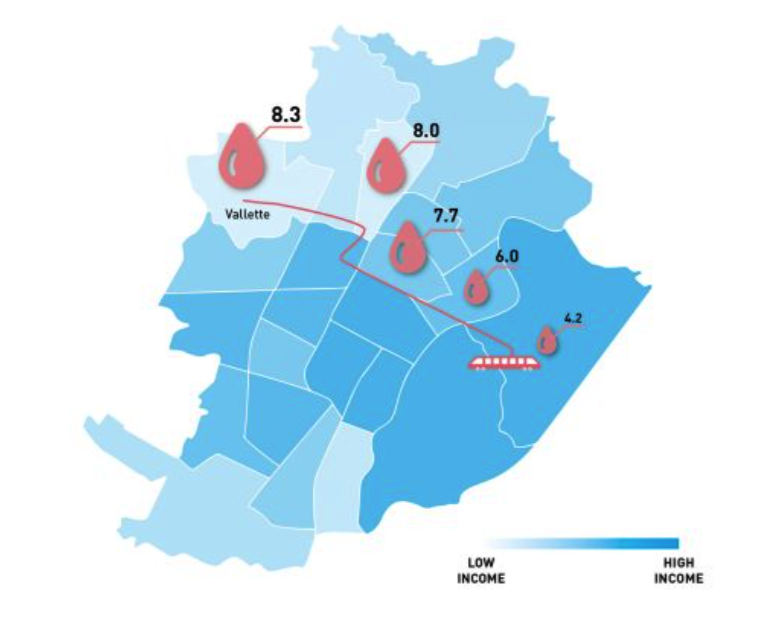
From data to policies: let the data speak! Making local policies more evidence- informed about health and health inequalities. Developing a community engagement toolkit to address health inequalities in urban settings.
Solutions to integrate health objectives into new urban development
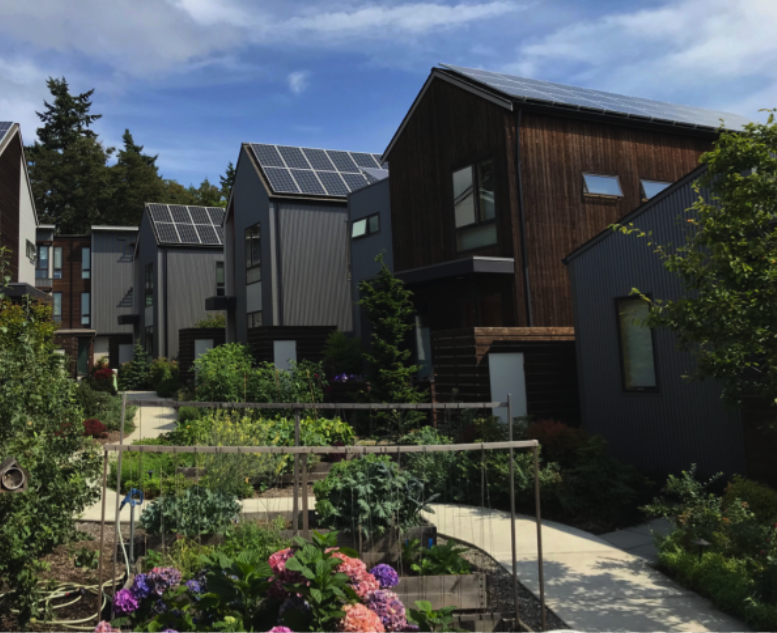
New research explores how design team professionals manage developers’ risks to integrate health into new urban development
Healthy urbanism framework redefines healthy urban development
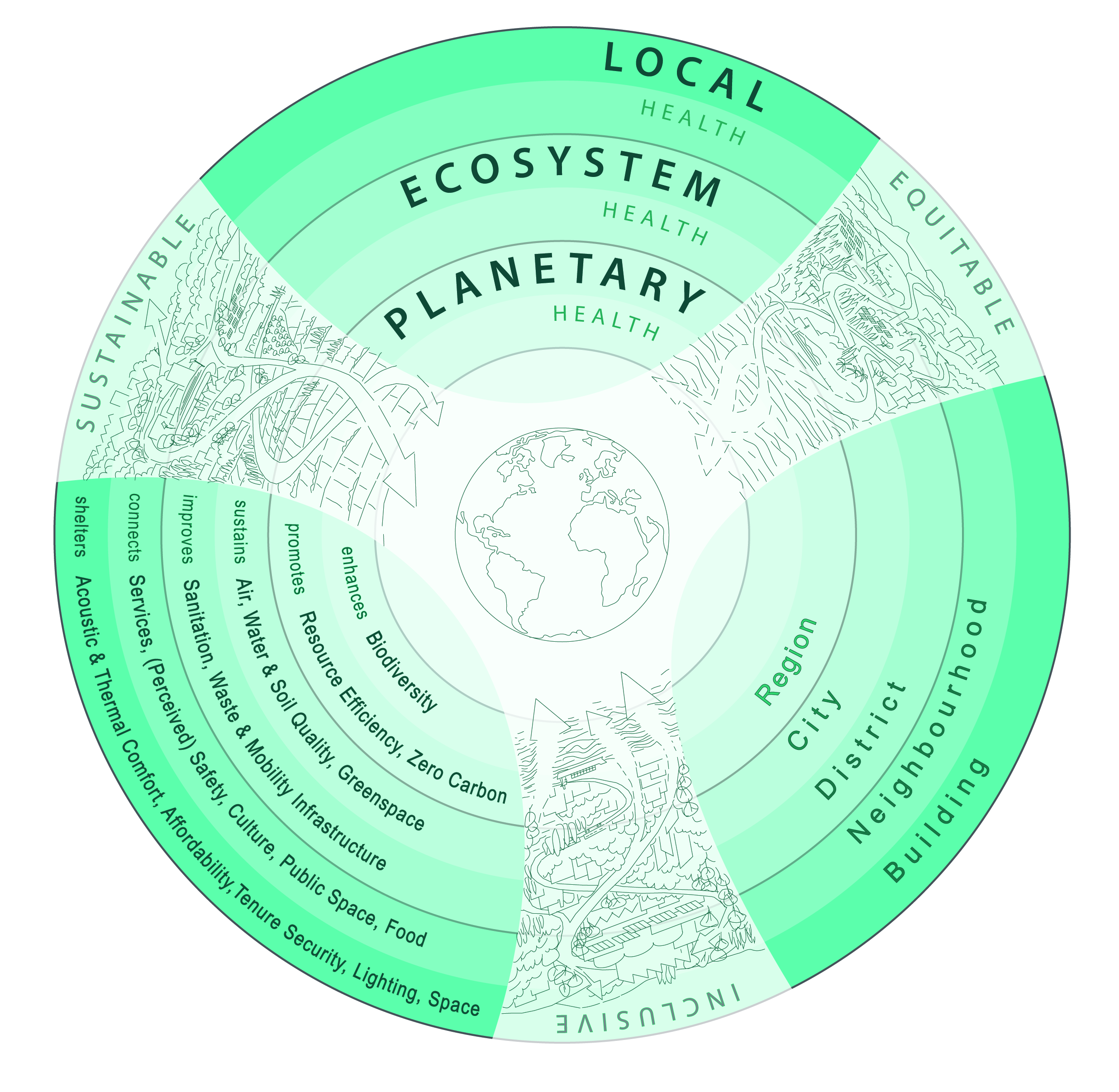
New healthy urbanism framework reverses traditional focus on individual lifestyles, focusing on equity, inclusion and sustainability as essential components for urban health.
Food access in cities; making it healthy and equitable through better urban planning and governance

Urban planners, economists, health and community policymakers and practitioners share insights in a new study on creating healthy food environments using urban planning policy and governance levers.
Cycling infrastructure in Bogota: do we all have the same access?
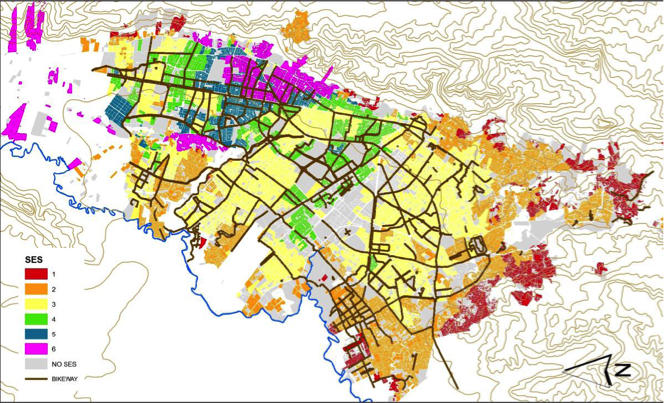
Lack of ‘Ciclorutas’ (bicycle lanes) in Bogota’s neighbourhoods of low socio-economic status shows inequality in the access to active transportation options, potentially increasing health disparities.
Re-connecting to landscape and reviving the sense of belonging

New ways of integrating indigenous knowledge in landscape architecture design
Water infrastructure failures have impacts beyond human health

Study shows the Flint, Michigan water crisis may spur additional population losses for the city.
Promoting a healthy cities agenda through indicators: development of a global urban environment and health index
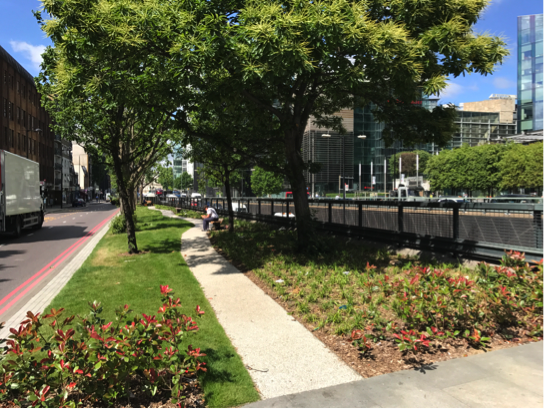
Understanding how urban environments affect health is the first step in making a healthy city.
Neighbourhoods: Walkability, affordability and social inclusion in Melbourne, Australia

Housing in disadvantaged areas is more affordable, however, cities would be more equitable if disadvantaged areas were walkable and amenity rich; and existing liveable neighbourhoods had more social housing.
Making cities inclusive for children with disabilities: Development of the Child Community Health Inclusion Index
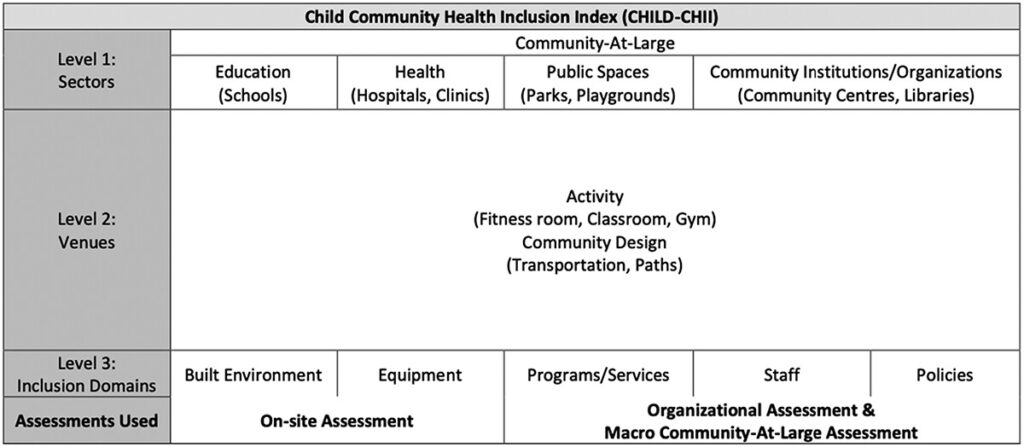
We must take a careful look into the structures, policies, and programs that may be barriers to inclusion of children with disabilities in the community. Assess to intervene and create cities that are inclusive of and healthy for all!