
PLAYSmaking – play as a lever for placemaking and pedestrianisation
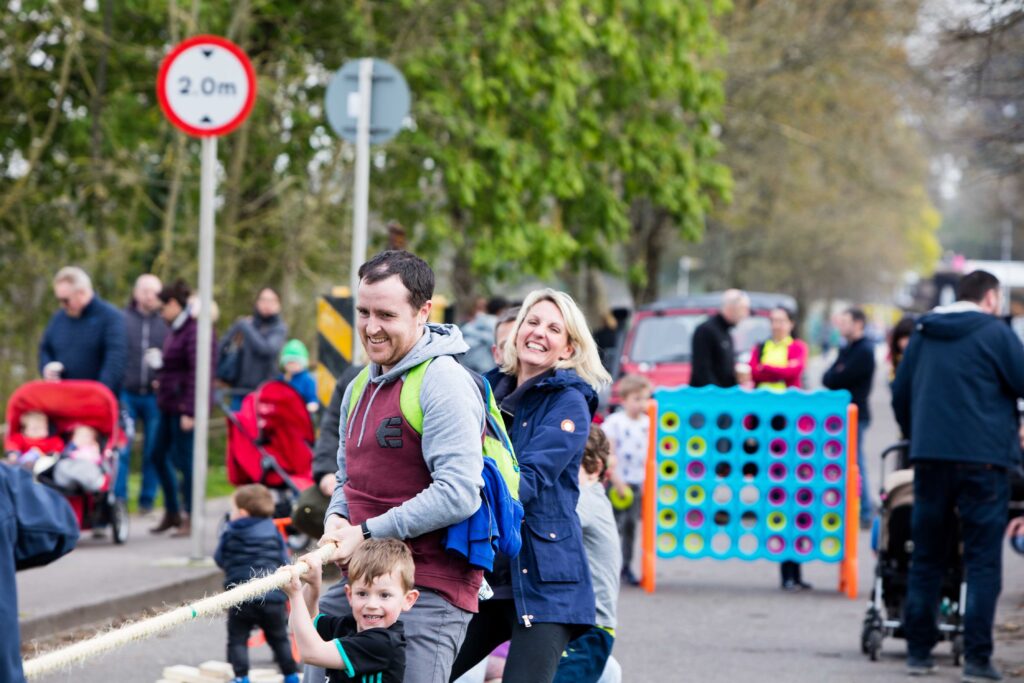
Intertwining play and placemaking (‘PlaysMaking’) in Cork city has inspired positive changes in the spaces, places and lives of citizens. The barriers of high car dependence and a history of resistance to pedestrianisation policies in the city were overturned by levering play to temporarily pedestrianise areas in the city. Community led PlaysMaking in Cork City has secured the permanent pedestrianisation of public roads, creating inclusive recreational spaces and led to the creation of dedicated public spaces for popup events and playful cultural trails.
How does the built environment and traffic impact air pollution, and what does this mean for public health?
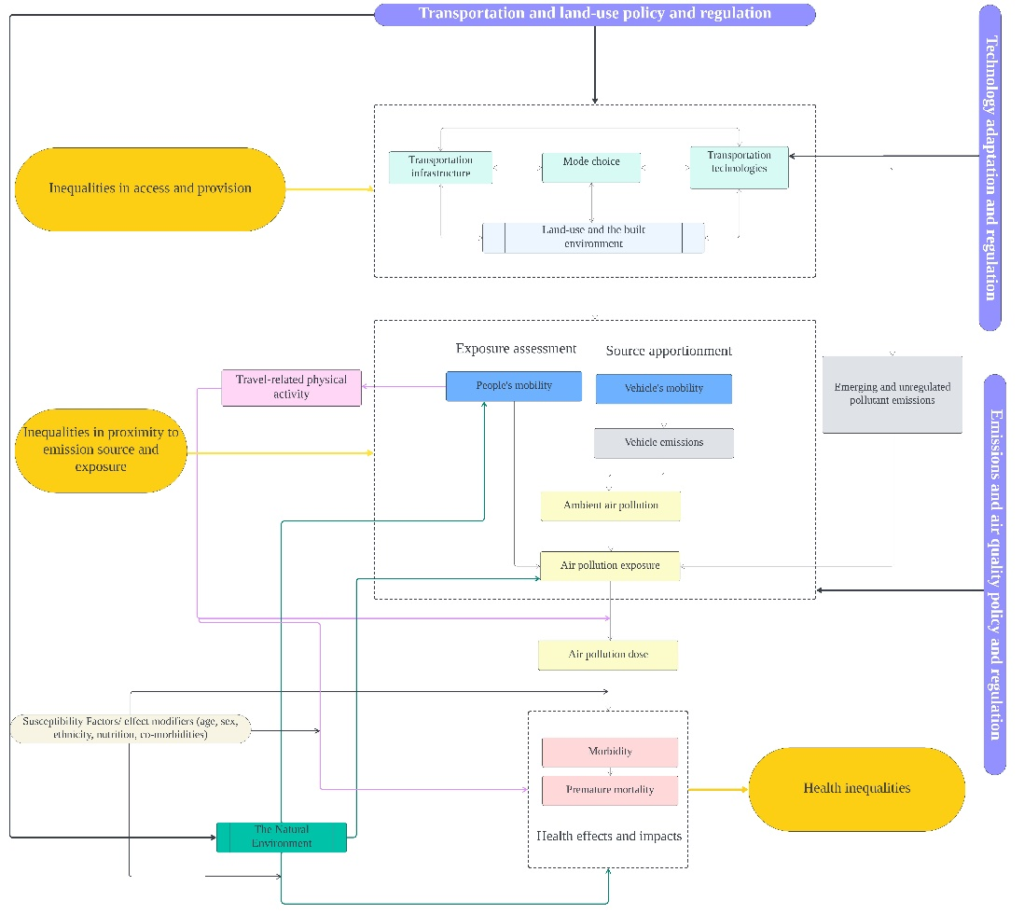
Air pollution threatens public health globally. Our exposure to air pollution is influenced by transport. Transport is both a prominent source of air pollution and an important determinant in our exposure to it. The built and natural environment also dictate how, when and where we travel, and what we are exposed to. We provide a comprehensive review of these relationships and their interactions.
Bangkok’s air: Can we fix it? A look at the challenges and solutions
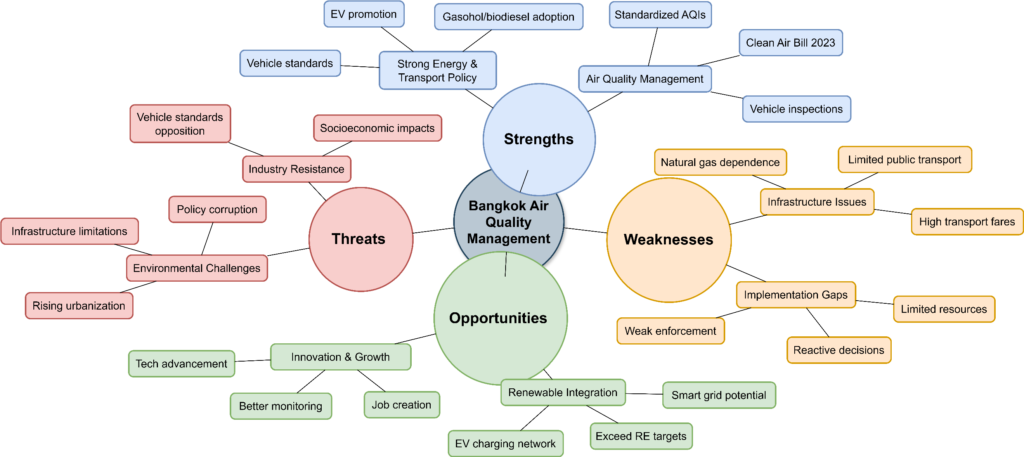
Can Bangkok truly clean its air? New initiatives show promise, but key changes are needed. This analysis reveals how better infrastructure, stronger governance, and embracing renewable energy can pave the way for a healthier city.
Ageing well in place: the power of local high streets to enhance well-being in later life
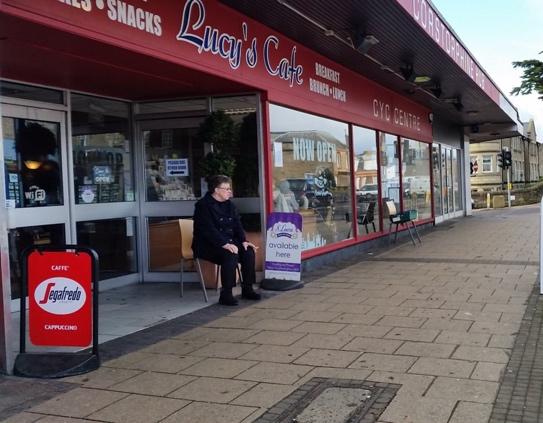
Beyond the Home: This research explores how local high streets enhance older adults’ well-being by fostering social connections, a sense of place, outdoor activity, and independence, highlighting their essential role in ageing-in-place policies and urban health strategies.
How neighbourhood design influences older adults’ driving patterns
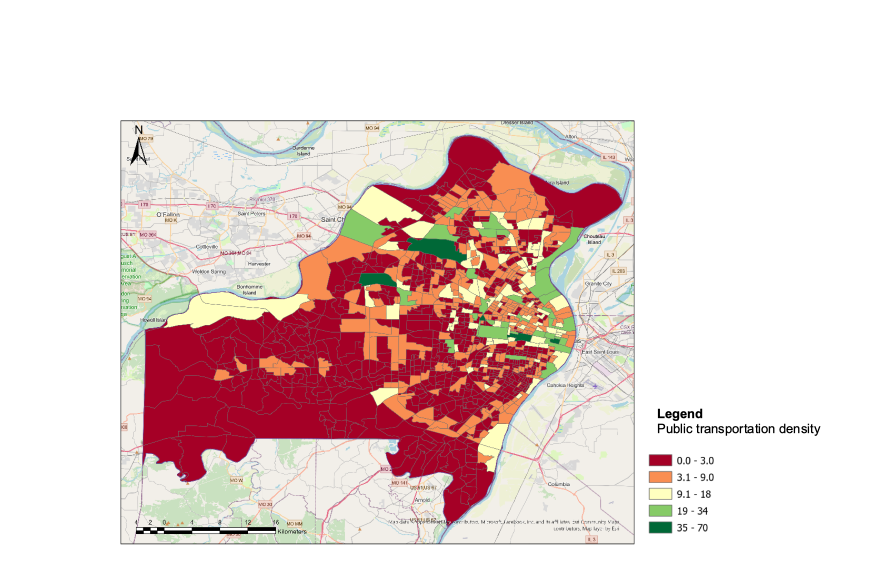
We demonstrate the strong influence of neighborhood transit access and land use on driving behavior. We highlight thresholds where built environment factors significantly impact driving patterns and provide evidence for integrating age-friendly design into urban planning.
Tackling urban city noise and hypertension in low- and middle-income countries: Insights from Indian soundscape
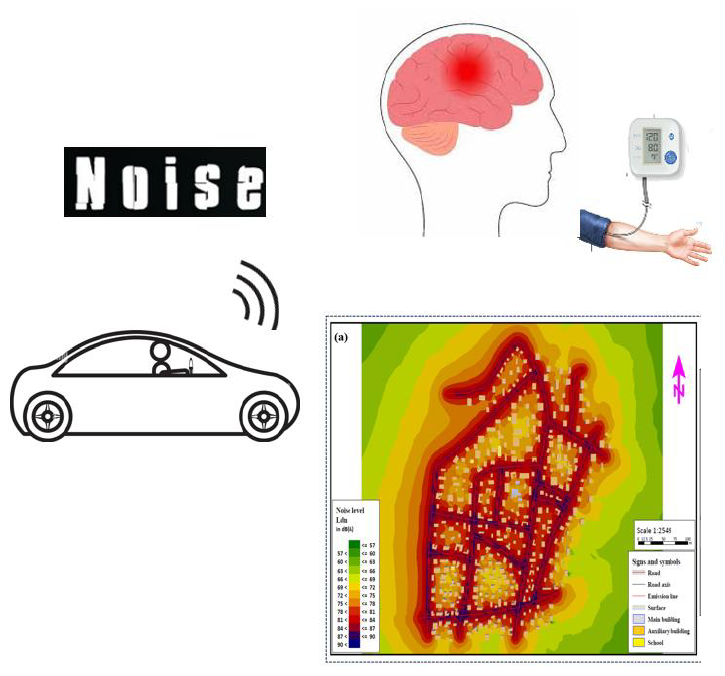
Our study provides robust, localized evidence from Srinagar, India, linking road traffic noise exposure to increased hypertension risk, particularly among women and highly stressed individuals. It highlights the inadequacy of applying high-income country data to low- and middle-income country contexts.
How walking and cycling in urban neighborhoods can foster local social cohesion
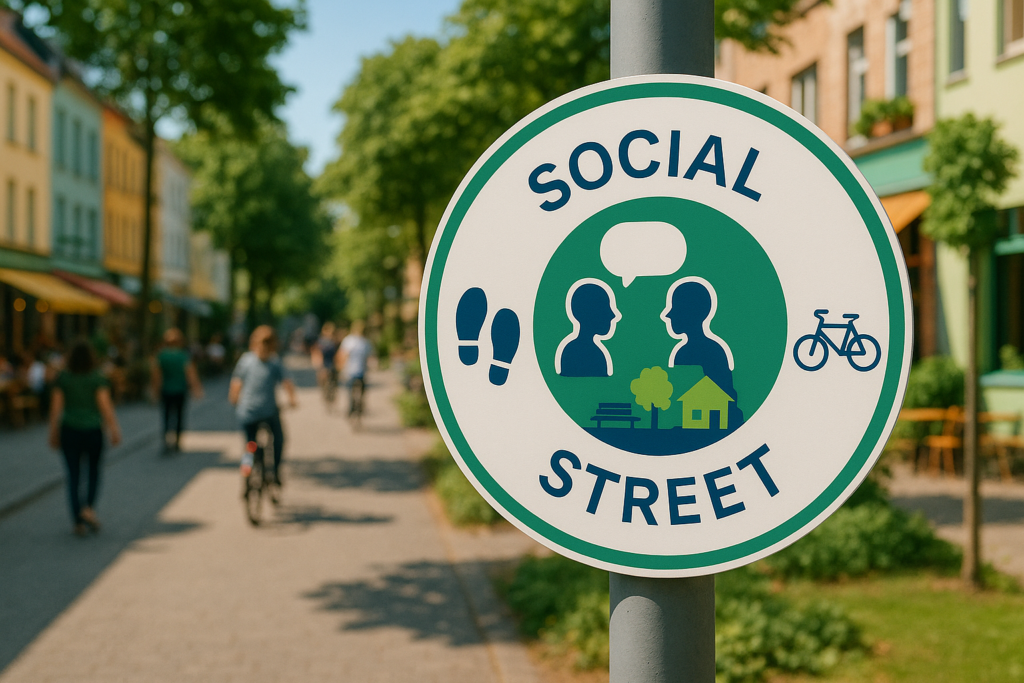
How does everyday mobility shape local social cohesion in cities? Our study shows that walking and cycling in the neighborhood create spontaneous, low-threshold encounters – and that these everyday interactions are vital for building healthier, more connected urban communities.
Natural experiments in urban air quality in Rwanda
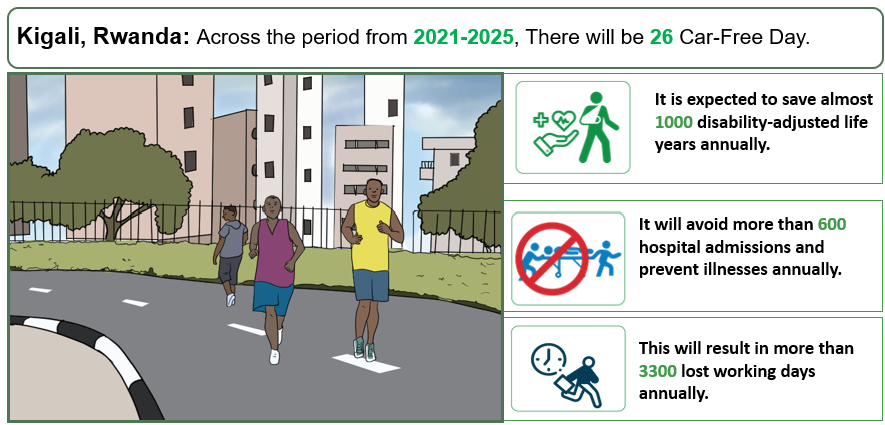
To understand the current drivers of air pollution, we used two natural experiments (Car-Free Day and COVID-19 Lockdown) to examine their impact on air pollution using particulate matter air pollution data in Kigali City. The health impact of non-motorized transport events in Kigali, known as ‘Car-Free Days,’ goes beyond just mass physical exercise. Importantly, it has reduced air pollution by 15%, this is expected to save more than 200 disability-adjusted life years annually.
Want diversity? Collaborate and plan with members from equity-deserving groups
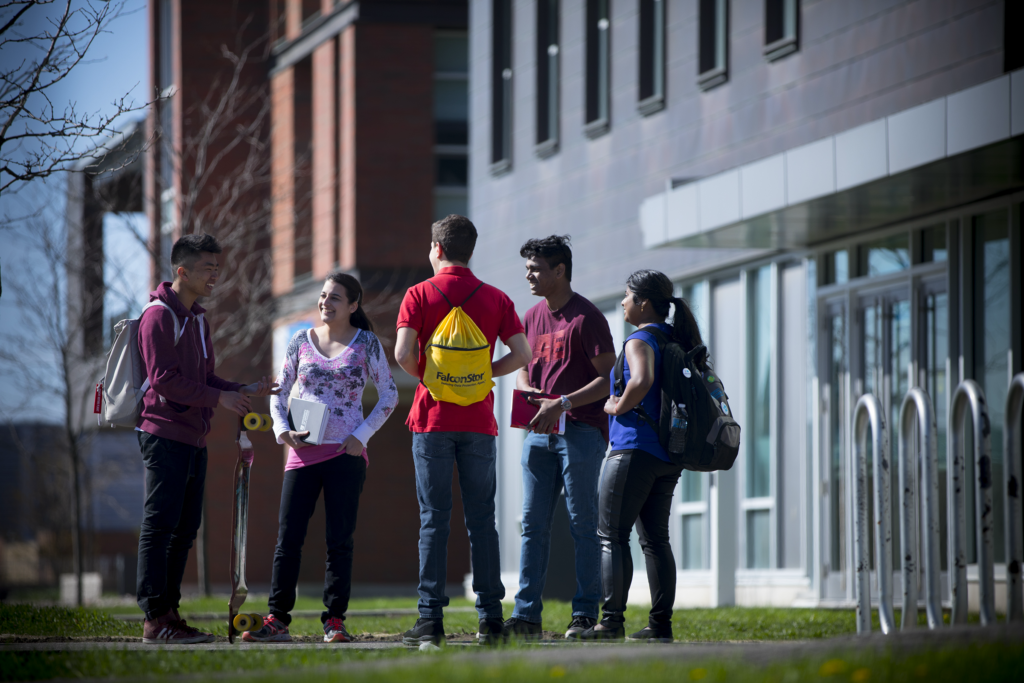
People from equity-deserving groups have unique needs, barriers, and priorities that need to be addressed in order to create inclusive and accessible active transportation. This paper highlights some of the complexities of planning for different cultures, languages, ages, and abilities. Recommendations are made to support municipalities with creating better active transportation infrastructure and policies.
Urban design as an antidote to loneliness?
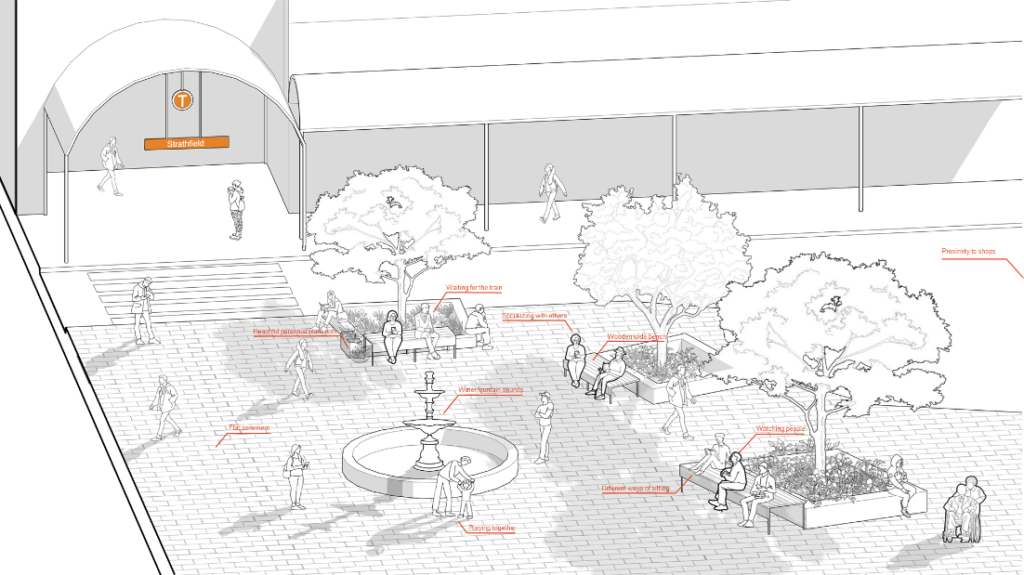
Recognizing the challenges of social isolation and loneliness among the aging population; research attention is turning to explore the social dimension of urban design and questions of how the built environment can support social interaction. In the rapidly evolving context of transit-based urbanism, urban spaces not only enhance the city’s overall livability but also offer older adults increased accessibility and interaction opportunities beyond their immediate residential neighbourhood, potentially alleviating feelings of social isolation and loneliness.