Manageable slices through the city: walkable space supporting mobile, democratic and dynamic clinics

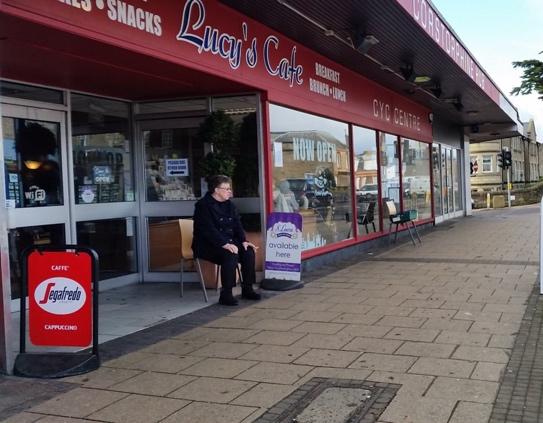
Mental health needs are poorly understood in the development and management of public space. However, people recovering from health issues such as psychosis need to use city space in their everyday lives. We note that large sites in city centres continue to be made available. As such their redesign and management needs to factor in these broader needs. There will be further benefits to people with conditions such as anxiety, depression and autism.

Read More »

What determines better neighbouring among affordable housing residents in Metro Vancouver, Canada

At the intersection of urban and public health policy, the success of higher-density affordable housing solutions to serve an inclusive well-being agenda depends upon reducing the association of these lifestyles and built environments with loneliness and social isolation. We construct a pro-neighbouring index and test its predictors using an ordinal logistic regression model based on resident survey data.

Read More »

A framework to integrate health into urban climate policies: A city-level approach for better planning

Urban planning significantly impacts public health, yet health considerations are often overlooked in city development strategies. Climate change further exacerbates urban health risks, particularly in vulnerable regions. Despite growing recognition of the link between urban planning and health, cities lack structured methodologies to quantify and integrate health-related data into policy. Without systematic approach, cities struggle to identify disparities, allocate resources effectively, and create health-resilient urban environments. Addressing this gap is critical for sustainable urban development.

Read More »

Paving the way for active mobility: Insights from Brussels and Malta

How can cities like Brussels and Malta overcome barriers to active mobility and create healthier, more sustainable urban environments? Discover the challenges, strategies, and key insights from local stakeholders on paving the way for a transformative future of mobility. Through interviews with key stakeholders, we explore solutions like citizen involvement and organisational changes that can drive urban transformation and support sustainable, active mobility.

Read More »

Using children’s travel and neighbourhood experiences to design walkable and inclusive cities. 

We worked with 82 primary school children (aged 9-10) from four schools and neighbourhoods in Newcastle upon Tyne, UK. Through focus group discussions, we asked them to share their travel experience in their neighbourhoods. Using age-appropriate maps and playful stickers, we gathered insights into their experiences, to identify patterns in what children need from their neighbouhoods. In addition, we mapped their comments to specific locations to better understand the relationships between the built environment features and children’s experiences.

Read More »

Community voices on outdoor gyms: A qualitative study among municipal officials and residents from Arab localities in Israel

We interviewed ten municipal officials and 23 residents in four Arab towns, and observed five outdoor gyms. We wanted to understand how outdoor gyms are perceived, what barriers limit their use, and what strategies could make them more effective. This was the first study of its kind in Arab towns in Israel, but it also speaks to underserved communities worldwide where informal urban development and limited resources shape access to healthy environments.

Read More »