What are residents’ lived experiences of higher density living and impacts on health and wellbeing?

We conducted a citizen science project to engage with current residents in higher density residences in Northern Sydney to explore the positive and negative aspects of their lived experiences on their health and wellbeing. Together, we identified the elements that residents of these communities value as well as those with potential negative impacts that could be mitigated through good planning and design.

Read More »

Understanding the influence of local politicians on healthy local planning policy

Understanding of the influence of local political actors helps to highlight where their influence is limited, particularly by national-level housing policy, which in the UK is focused on housing numbers, rather than quality of new homes, as well as financial viability and public opinion. Understanding this can help to build trust in the political processes of decision-making and inform interventions for healthier place-making.

Read More »

Place-based well-being: The impact of neighbourhood aesthetics on physical activity, stress levels, and obesity in school children

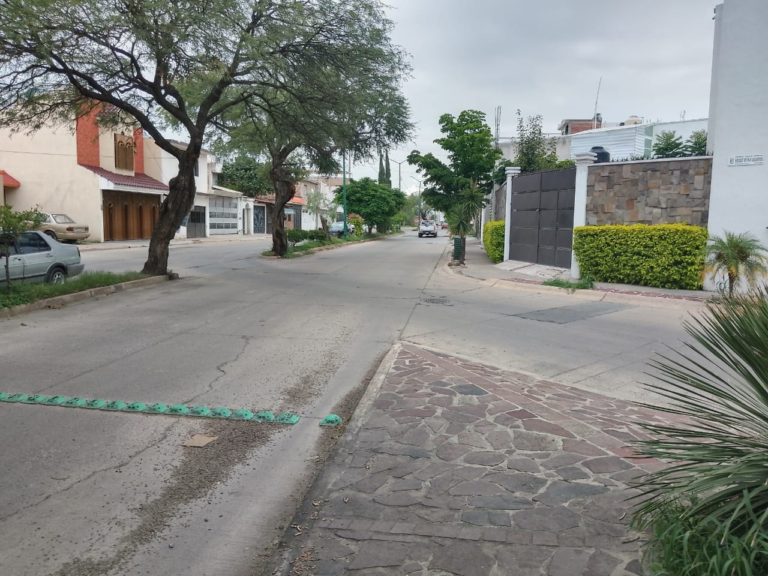
Urban environments in many cities, both those found in Mexico and many other countries, can be called obesogenic – they are prone to promote obesity. Relevant factors are that they foster sedentary behaviour, poor dietary choices, and elevated stress levels; thus contributing to higher obesity rates. Urban planning, design, and practices offer opportunities for upstream public health interventions to mitigate these negative health impacts. These findings are especially relevant given the role of neighbourhood environments in encouraging children’s physical activity and reducing obesity.

Read More »